Top 17 Animals That Walk On Two Legs (Pictures Included)
Animals that walk on two legs are not only a testament to nature’s ingenuity but also play critical roles in their ecosystems. This article uncovers the different species that exhibit this fascinating locomotion, discussing their unique adaptations and what they can teach us about evolution and survival. By diving into their world, you’ll discover just how diverse and remarkable these bipedal creatures can be.
List of Animals That Walk On Two Legs
Below is the list of animals that walk on two legs:
- Chickens
- Kangaroo
- Orangutans
- Ducks
- Wallaby
- Geese
- Chimpanzees
- Turkeys
- Emus
- Parrots
- Basilisk Lizard
- Gibbons
- Ostriches
- Gorillas
- Kangaroo Rat
- Penguins
- Flamingos
Chickens
Scientific Name: Gallus gallus domesticus
Class: Aves
Diet: Omnivore
Chickens possess a surprisingly sophisticated ability to walk on two legs that extends beyond mere movement. This bipedalism not only aids in foraging but also enhances their social interactions. When chickens strut about, they engage in a complex dialogue of body language; the tilt of their heads or the twitch of a feather can convey everything from dominance to distress within their pecking order.
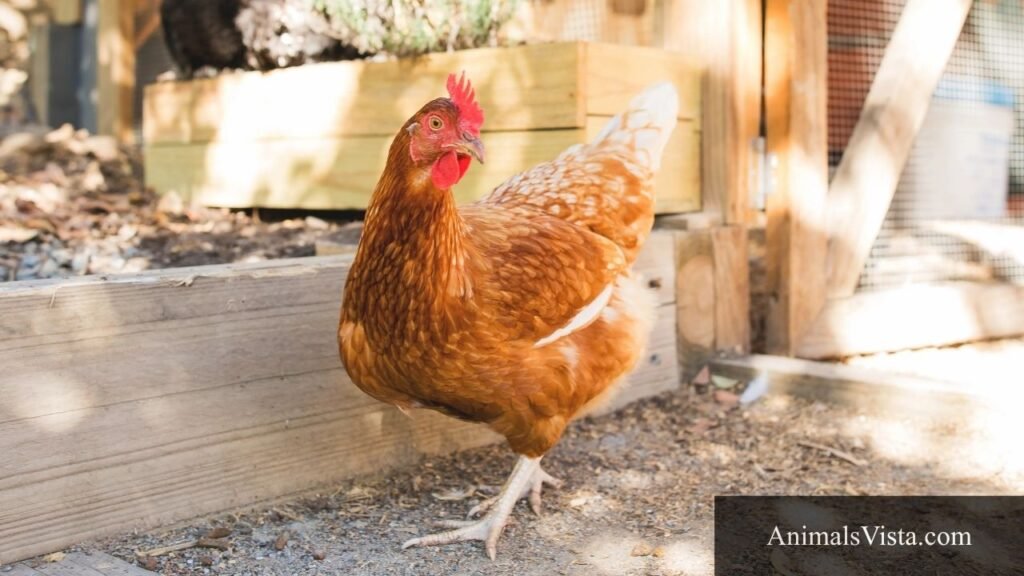
Interestingly, chickens can also exhibit impressive agility while walking bipedally. This trait is pivotal when escaping predators, as their quick, upright movements allow for rapid shifts in direction — something a crawling animal might struggle with. Moreover, research has shown that the biomechanics of a chicken’s walk utilize specialized muscle groups that hint at a fascinating evolutionary lineage, closely linked to their dinosaur ancestors. Observing these feathered creatures in their natural, upright splendor offers a unique perspective, urging us to appreciate the remarkable adaptations that enhance their survival.
Kangaroo
Scientific Name: Macropus
Class: Mammalia
Diet: Herbivore
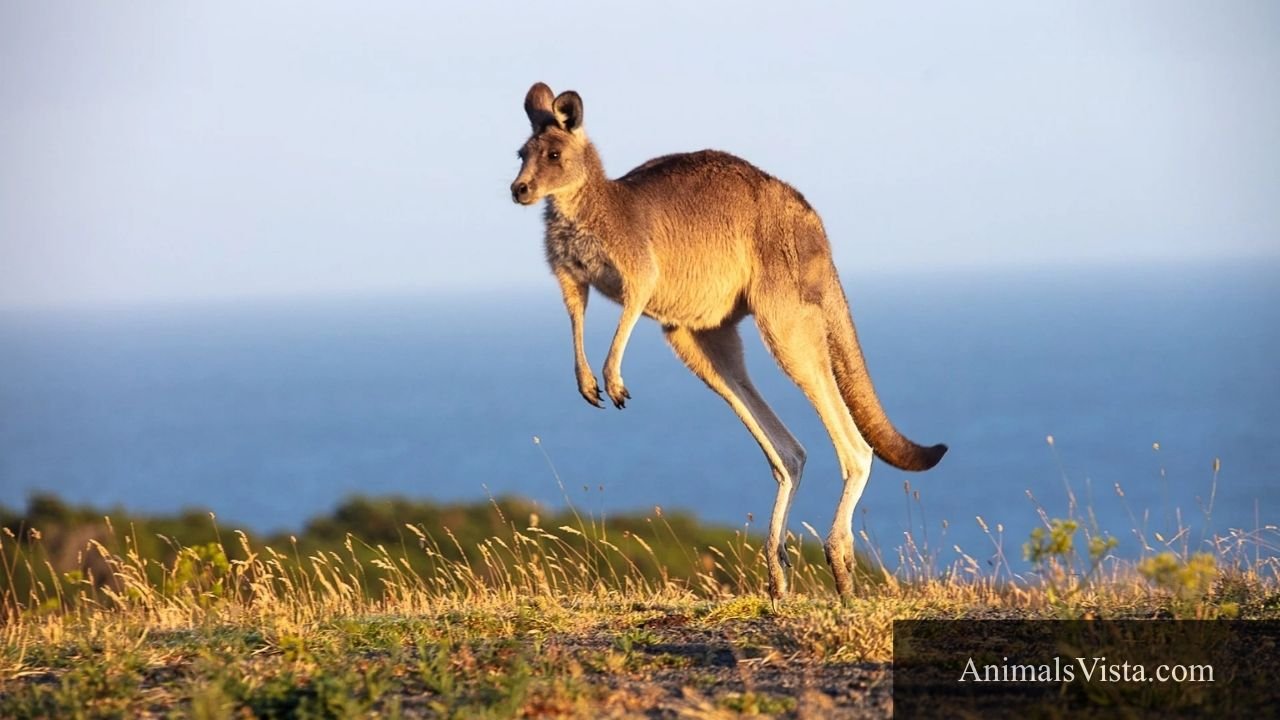
Kangaroos, with their powerful hind legs and unique way of locomotion, are a striking example of how evolution can shape movement. Unlike many animals that occasionally walk upright, kangaroos are designed for it. Their strong tail aids balance, allowing them to conserve energy while hopping across vast Australian landscapes. This method of travel is not just efficient; it offers a remarkable glimpse into how adaptations can lead to unexpected walking patterns.
Moreover, what’s fascinating is the social aspect of the kangaroo movement. In groups, known as mobs, these marsupials often hop in sync, creating a mesmerizing spectacle that speaks to their instinctual community bonds. Observations suggest that this coordinated movement may also serve as a strategy for evading predators, illustrating how their bipedal locomotion has intricate ties to survival. Each leap can be a dance of agility, highlighting the kangaroo’s role as both a symbol of Australia and a master of its unique environment.
Orangutans
Scientific Name: Pongo
Class: Mammalia
Diet: Omnivore
Orangutans, the solitary giants of the rainforest, exhibit an intriguing ability to move on two legs, particularly when reaching for fruit in trees or traversing their lush habitats. This bipedalism, while not their primary mode of locomotion, sheds light on their remarkable adaptability and intelligence. Unlike many other arboreal primates that rely solely on their impressive grasping limbs, orangutans have displayed a unique capacity for balance and coordination, often standing upright for extended periods. This ability hints at a cognitive sophistication that allows them to navigate their environment in varied and complex ways.
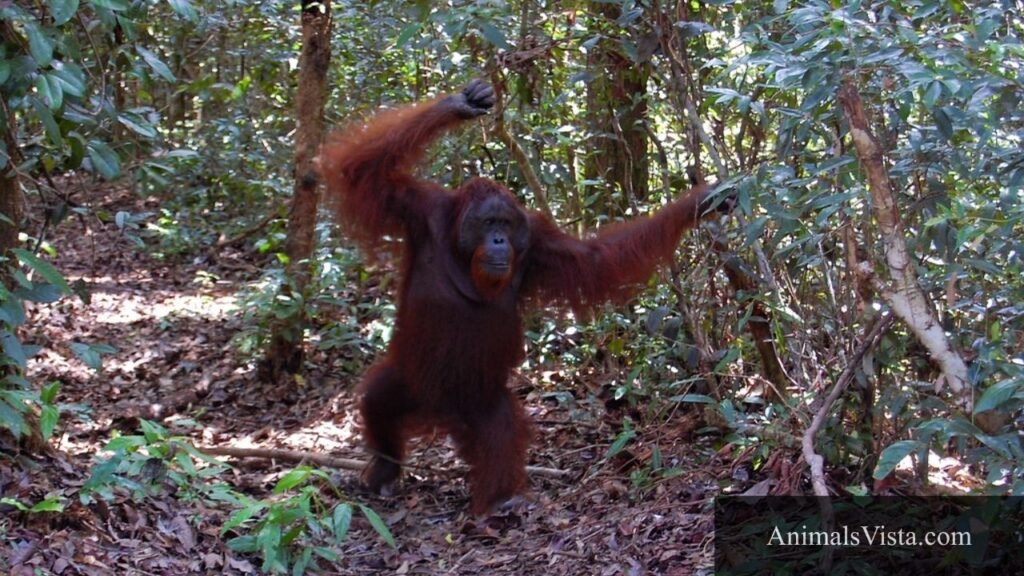
Recent observations have shown how orangutans use this two-legged stance as a strategic tool to maximize their foraging efficiency. When the fruits of the forest canopy beckon, their occasional bipedal antics underscore a duality in their lifestyle — oscillating between the primal and the purposeful. These moments of upright movement not only enhance their foraging capability but also exemplify a form of social learning among them; young orangutans often mimic adult behaviors, showcasing a keen understanding of how to adapt to their dynamic environment. As gentle architects of their ecosystems, orangutans remind us of the intricate interplay between evolution, behavior, and the profound intelligence of our closest relatives.
Read More: Explore Top 25 Animals With Webbed Feet
Ducks
Scientific Name: Anatidae
Class: Aves
Diet: Omnivore
When we think of animals that walk on two legs, ducks often bring a whimsical image to mind, waddling in their charming, endearing manner. Yet, there’s more to these aquatic birds than meets the eye. Ducks exhibit a unique blend of biomechanical efficiency and adaptability: their webbed feet are not just for swimming but also allow for a surprisingly agile, upright gait on land.
Interestingly, ducks harness their bipedal movement to navigate diverse environments, making them adept foragers. Their ability to walk upright not only aids in searching for food but also provides an advantage in social interactions within their flocks. Observing a group of ducks can reveal intricate hierarchies and playful dynamics, showcasing how their two-legged stance fuels both competition and camaraderie among them.
Wallaby
Scientific Name: Notamacropus
Class: Mammalia
Diet: Herbivore
Wallabies might be best known for their impressive hopping, but their occasional bipedal stance offers a captivating glimpse into their adaptive behaviors. When wallabies stretch up on their hind legs, it’s not just a whimsical sight; it’s a strategic maneuver often seen when they’re foraging for food or scanning the environment for predators. This unique posture allows them to reach higher vegetation, showcasing their versatility in a competitive ecosystem.
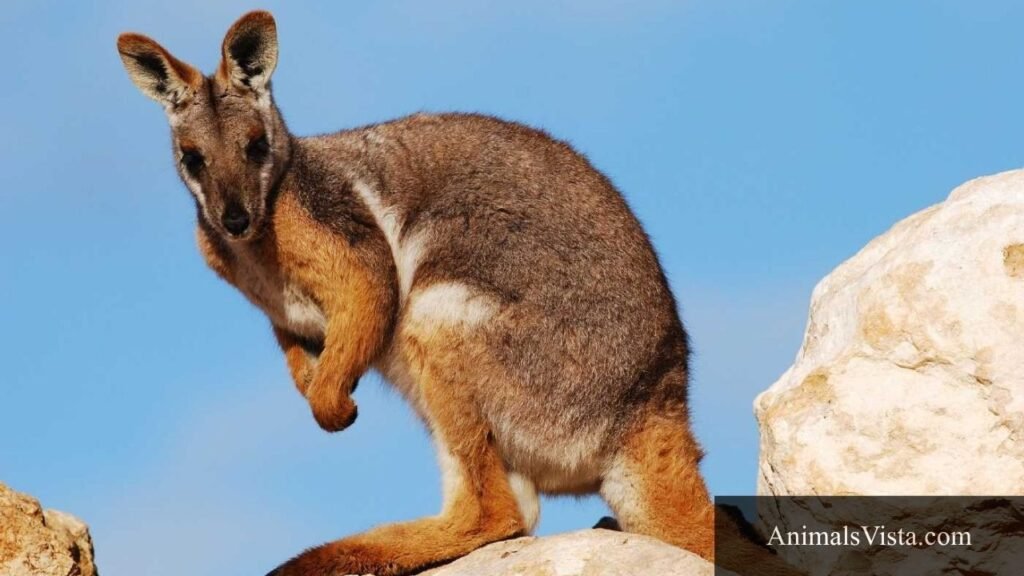
Interestingly, this behavior aligns with their social interactions. Wallabies often stand upright to communicate with each other, using body language to convey intentions and emotions. This anthropomorphic quality can evoke a sense of kinship with these marsupials, highlighting the complex social dynamics present in their habitats. Observing a wallaby balance gracefully on two legs can shift your perspective on animal locomotion, reminding us that evolution has equipped these creatures with remarkable adaptations for survival and communication. Each glance at a wallaby standing tall invites an appreciation for the nuances of their behavior and the intricate web of life in which they thrive.
Geese
Scientific Name: Anserini
Class: Aves
Diet: Herbivore
Geese are fascinating creatures that effortlessly strut around on two legs, showcasing a unique blend of grace and confidence. Their bipedal locomotion isn’t merely a means of getting from point A to point B; it also plays a vital role in their social interactions and hierarchical structures within flocks. Unlike many birds that primarily flutter or hop, geese project a sense of authority as they waddle across fields or parks, often unafraid of drawing attention to themselves with loud honks.
Interestingly, geese have adapted their behavior to utilize their upright stance for various tasks. When foraging, they can keep an eye out for both predators and their fellow flock mates, allowing for more coordinated feeding activities. Their bipedal nature also aids in territorial displays, where they might extend their necks and puff out their chests, asserting dominance with a commanding presence. Observing these creatures reveals a fascinating layer of avian intelligence and social dynamics that often goes unnoticed in our fast-paced world. Whether gliding gracefully in the air or marching across the ground, geese remind us that the ability to walk on two legs is a remarkable trait, even in the animal kingdom.
Chimpanzees
Scientific Name: Pan troglodytes
Class: Mammalia
Diet: Omnivore
Chimpanzees are fascinating creatures that share over 98% of their DNA with humans, granting them incredible cognitive abilities and social structures. While they primarily move on all fours, their occasional bipedalism reveals intriguing insights into both their adaptive behavior and evolutionary past. Remarkably, chimpanzees exhibit this two-legged walking not just during brief moments, but also while carrying objects or navigating tricky terrains. This adaptive trait highlights their problem-solving skills and resourcefulness in a complex environment.
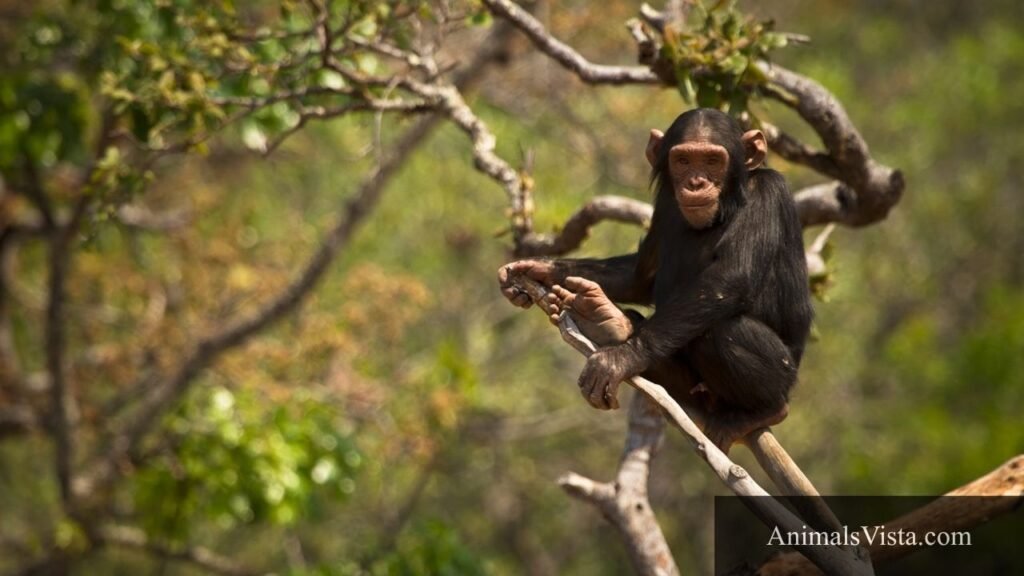
A lesser-known fact about chimps is their use of bipedalism in social contexts. When males stand on two legs, they may display dominance or engage in playful interactions with their peers, showcasing an intricate blend of communication and physical expression. This behavior not only emphasizes their social dynamics but also suggests that the roots of human-like postures and movements might be deeper in our evolutionary lineage than previously thought. Observing these moments of bipedalism not only deepens our understanding of chimpanzee behavior but also challenges our perceptions of the rigid boundaries between human and animal locomotion.
Turkeys
Scientific Name: Meleagris
Class: Aves
Diet: Omnivore
Turkeys, often overlooked in discussions about bipedal animals, showcase a fascinating combination of agility and character. These birds possess unique adaptations that make them more than just Thanksgiving centerpieces. With their ability to walk and run on two legs, turkeys can reach impressive speeds of up to 25 miles per hour, using their strong leg muscles for quick escapes from predators. This bipedalism isn’t just about mobility; it also gives them an elevated vantage point, helping them spot threats and navigate diverse terrains in their natural habitats.
Furthermore, turkeys exhibit social behaviors that are compelling and complex. When in flocks, they engage in a variety of vocalizations, communicating through a range of sounds that not only signal danger but also establish social hierarchies. Surprisingly, their bipedal stance plays a critical role in these interactions, allowing them to maintain eye contact and foster stronger connections within the group. As we admire these dynamic creatures walking on two legs, it’s worth recognizing that their behaviors and adaptations tell a broader story of survival and community in the wild.
Emus
Scientific Name: Dromaius novaehollandiae
Class: Aves
Diet: Omnivore
Emus, the large flightless birds native to Australia, offer a fascinating glimpse into the avian world, uniquely navigating their environment on two powerful legs. Standing up to six feet tall, these remarkable creatures possess a striking ability to run at speeds of up to 30 miles per hour, effortlessly adapting to the vast, open landscapes they inhabit. Unlike their fellow flightless birds, such as ostriches and kiwis, emus exhibit an intriguing blend of agility and grace, making them a symbol of resilience and survival in the wild.
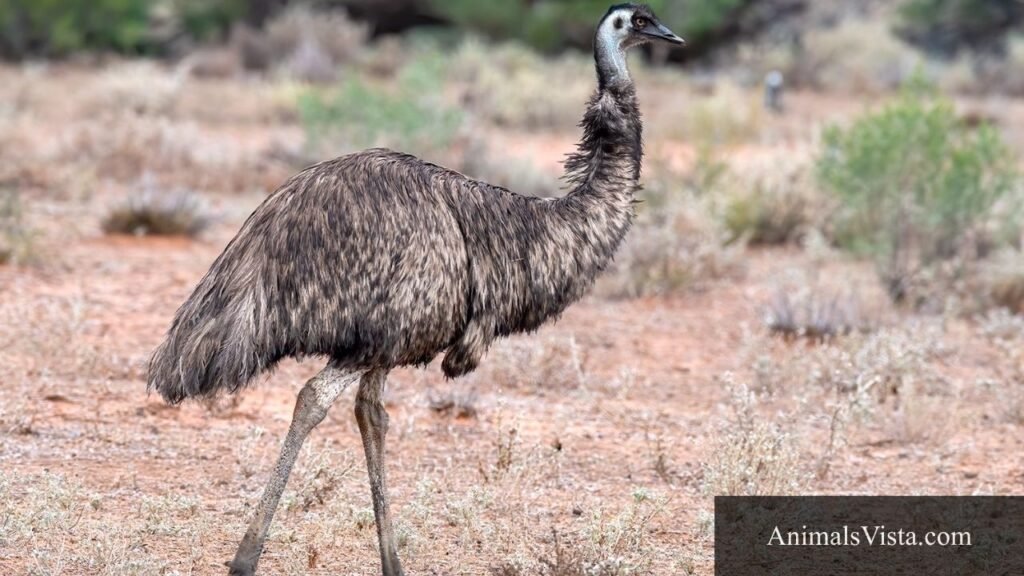
One of the most captivating aspects of emus is their social behavior. Often seen wandering in groups, these birds communicate through a series of low-frequency booming sounds, which can resonate over long distances. This vocal prowess plays a crucial role in their mating rituals and social dynamics, showcasing a level of emotional depth that often remains overlooked in avian species. Observing an emu strut purposefully across the landscape, with its striking plumage bouncing in rhythm, offers not just a visual delight but also a reminder of the wonders of evolution and adaptation. Each stride on their long legs carries a story of persistence, helping them thrive in the challenging Australian outback.
Parrots
Scientific Name: Psittaciformes
Class: Aves
Diet: Omnivore
Parrots are remarkable creatures that not only capture our attention with their vibrant plumage but also demonstrate fascinating two-legged locomotion. While their ability to fly often overshadows their ground skills, many parrot species exhibit a surprising agility when they walk or hop on land. Observing parrots in their natural habitats reveals that they can gracefully traverse branches and even navigate the ground in pursuit of grains, seeds, or fruits. This bipedal movement is a natural extension of their remarkable adaptability, showcasing their evolution as both ground foragers and aerial acrobats.
Moreover, their unique anatomy plays a crucial role in how they move. Parrots have flexible hips and strong leg muscles that allow them to pivot and change direction swiftly, which is essential for both escaping predators and foraging effectively. Their feet, designed for grasping, aid in balancing as they transition from walking to climbing. This impressive coordination highlights an unseen aspect of their behavior, emphasizing their intelligence and adaptability in various environments. Next time you see a parrot, take a moment to appreciate not just its colors and sounds but also the intricate ways it navigates the world on two legs.
Basilisk Lizard
Scientific Name: Basiliscus
Class: Reptilia
Diet: Omnivore
The Basilisk Lizard, often dubbed the “Jesus Christ Lizard,” is a remarkable creature that defies conventional reptilian movement. Found primarily in Central and South America, this lizard has evolved an extraordinary ability to run on its hind legs across water’s surface, a fascinating display of adaptation. Its elongated body and uniquely structured feet help it achieve this remarkable feat, allowing it to escape predators while seemingly defying gravity itself.
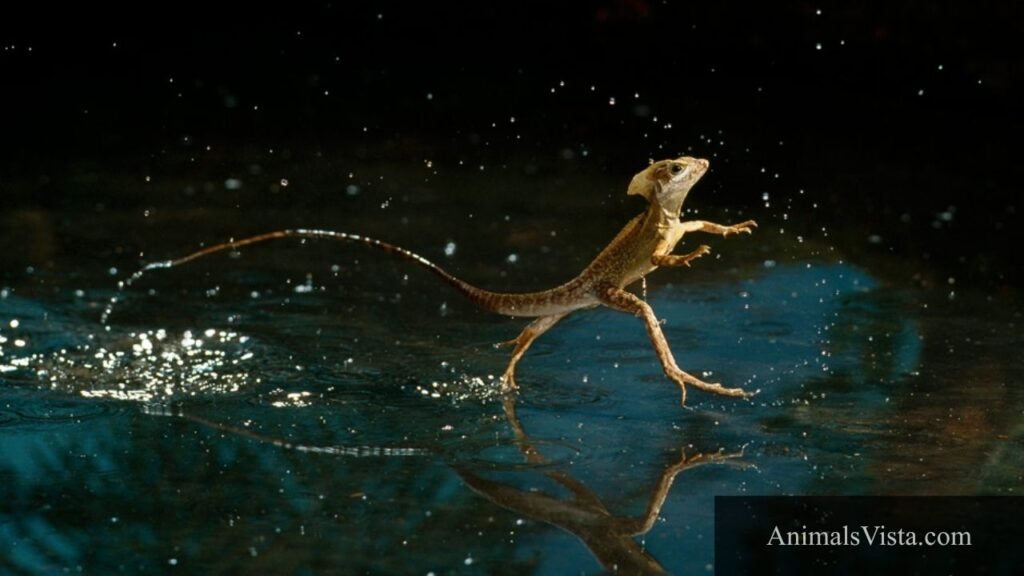
What truly sets the Basilisk apart is its remarkable speed and agility. Capable of sprinting up to 15 miles per hour, it creates a series of air pockets beneath its feet thanks to its specialized toe pads, which allow it to remain on the water’s surface for several strides. This ability not only serves as a survival mechanism but also showcases the interplay between evolution and environmental challenges, revealing how adaptability can lead to niche innovations in the animal kingdom. Watching a Basilisk dash across water is not just a spectacle but a vivid reminder of nature’s creativity in overcoming obstacles.
Gibbons
Scientific Name: Hylobatidae
Class: Mammalia
Diet: Omnivore
Gibbons, often referred to as the “small apes,” are remarkable creatures that showcase a unique blend of agility and grace. Unlike their larger primate cousins, gibbons are masterful brachiators, swinging through the forest canopy with impressive speed. However, they possess the fascinating ability to walk bipedally for short distances, exhibiting a peculiar gait that reveals their evolutionary adaptability. In these moments, their long arms and opposable big toes come into play, offering them an unusual but effective mode of terrestrial locomotion.
Their social structures, often characterized by monogamous pair bonds, add another layer of intrigue to their behavior. Gibbons engage in duet songs that resonate through the jungles, serving not only as a means of communication but also as an expression of their social cohesion. This melodious ritual occurs while displaying their remarkable physicality; a sight that combines vocal artistry with the agile movements of their two-legged walk. Observing gibbons showcases the delicate balance between their arboreal lifestyle and their brief, yet fascinating, excursions on the ground. Through these adaptations, they demonstrate the evolutionary ingenuity that allows life to flourish in such diverse environments.
Ostriches
Scientific Name: Struthio
Class: Aves
Diet: Omnivore
Ostriches, often celebrated for their impressive height and speed, present a fascinating case study in bipedalism. As the world’s largest birds, they can reach up to 9 feet tall and run at speeds exceeding 40 miles per hour, all supported by just two powerful legs. These remarkable appendages are not only designed for speed; they are also adapted to deliver formidable kicks that can deter predators, making the ostrich a true embodiment of evolution’s ingenuity.
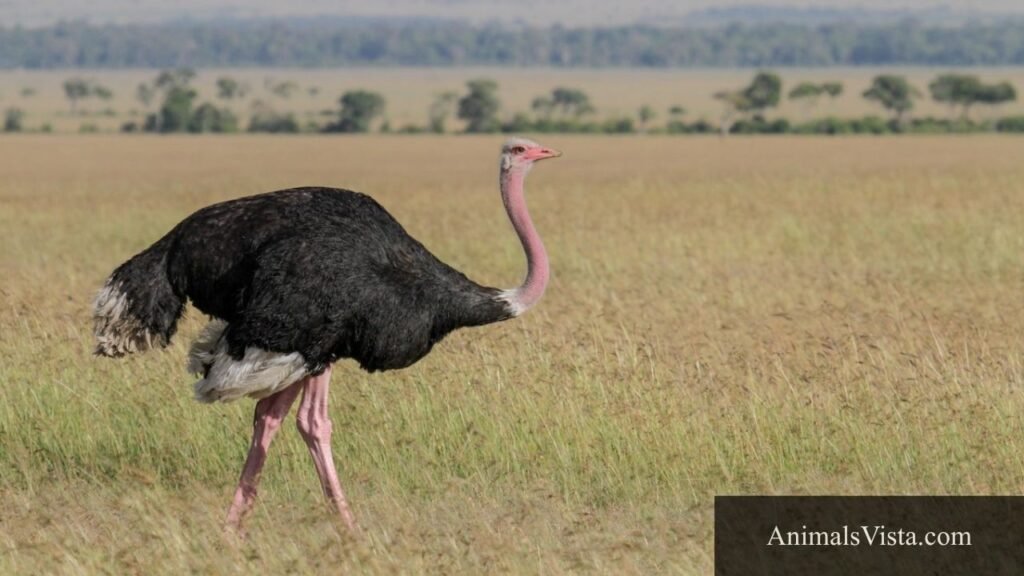
Interestingly, ostriches possess a unique gait that combines elements of both walking and running. Their long legs facilitate a stride that allows for quick acceleration, and they can navigate diverse terrains, from open savannas to desert landscapes, with remarkable ease. This adaptability showcases their resilience and ability to thrive in often challenging environments. Moreover, their social behavior, often seen in flocks, emphasizes the importance of cooperation and communication in navigating their habitats, a reminder that both physical prowess and social dynamics play crucial roles in survival. In essence, the ostrich not only walks on two legs but does so with an elegance that belies its size, challenging our perceptions of mobility and grace in the animal kingdom.
Gorillas
Scientific Name: Gorilla
Class: Mammalia
Diet: Herbivore
Gorillas, often seen as symbols of strength and resilience, possess a fascinating ability to walk bipedally, albeit rarely. Typically, these magnificent creatures are known for their knuckle-walking — a mode of locomotion that allows them to navigate their forest habitats efficiently. However, when carrying objects, interacting playfully, or maneuvering through dense underbrush, gorillas will occasionally rise up onto their powerful hind legs. This unique behavior not only showcases their remarkable physical adaptability but also highlights the complexity of their social interactions.
Intriguingly, gorillas’ occasional bipedalism serves as more than just a means of locomotion. When they stand upright, it offers them a different perspective of their surroundings, crucial for spotting potential threats or opportunities for foraging. This ability reflects their intelligence and adaptability, traits that remain central to their survival strategies in the wild. Moreover, researchers have noted that these brief moments of upright movement can strengthen social bonds, as gorillas often engage in playful displays when upright, signaling to one another the importance of social cohesion and community. In a world that often overlooks the subtleties of animal behavior, gorillas exemplify how multifaceted their existence truly is.
Kangaroo Rat
Scientific Name: Dipodomys
Class: Mammalia
Diet: Herbivore
The kangaroo rat, a marvel of evolution, showcases an extraordinary mode of locomotion that sets it apart from traditional rodents. With powerful hind legs that resemble those of its larger namesake, this desert dweller can leap distances up to nine feet, efficiently navigating the arid landscapes of North America. This unique adaptation not only helps it escape predators but also aids in traversing the vast expanses of its habitat in search of food — mainly seeds and grains, which it adeptly hoards for survival.
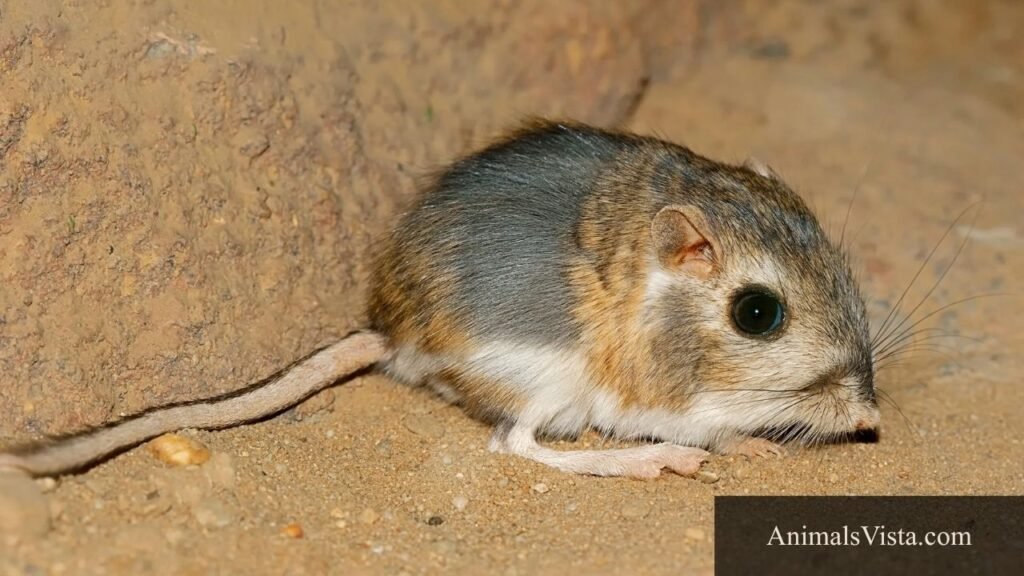
Intriguingly, the kangaroo rat has developed a remarkable physiological trait: it can conserve water better than any other mammal. Its kidneys function with such efficiency that it requires no water from external sources, sustaining itself solely on the moisture found in its food. This adaptation allows it to thrive in environments where other animals might falter, showcasing the incredible resilience of life in extreme conditions. Observing these creatures in their natural habitat offers a striking lesson in adaptation and survival, reminding us of the intricate balance of ecosystems even in the harshest of climates.
Penguins
Scientific Name: Spheniscidae
Class: Aves
Diet: Carnivore
Penguins, with their distinctive tuxedo-like plumage, are fascinating creatures that have mastered the art of bipedal locomotion on icy terrains. Unlike other birds, their upright stance isn’t just for show; it plays a crucial role in conserving heat in their frigid habitats. As they waddle across the ice, their unique adaptation allows them to balance their bodies efficiently, while their flippers aid in navigating the slippery surroundings.
What’s particularly captivating about penguins is their social dynamics. They often engage in what appears to be a sort of communal marching, a behavior that strengthens their bonds during harsh weather. This “parade” is not merely a survival tactic; it’s a display of unity and resilience. Observing their interactions offers not just insight into their survival strategies, but also a glimpse into the emotional lives of these remarkable birds. Through their agility on two legs, they defy the common assumption that bipeds are confined to land-dwelling animals, showcasing the extraordinary adaptability of life on Earth.
Flamingos
Scientific Name: Phoenicopteridae
Class: Aves
Diet: Omnivore
Flamingos stand out not just for their striking pink plumage, but also for their unique method of locomotion. Unlike many birds, they often walk with a graceful, almost balletic gait, which allows them to maintain balance on long, spindly legs. This specialized movement isn’t merely for aesthetics; it’s an adaptation for wading through shallow waters while probing for food. As they stroll, they sift through mud and sand, searching for algae and small crustaceans that give them their iconic color.
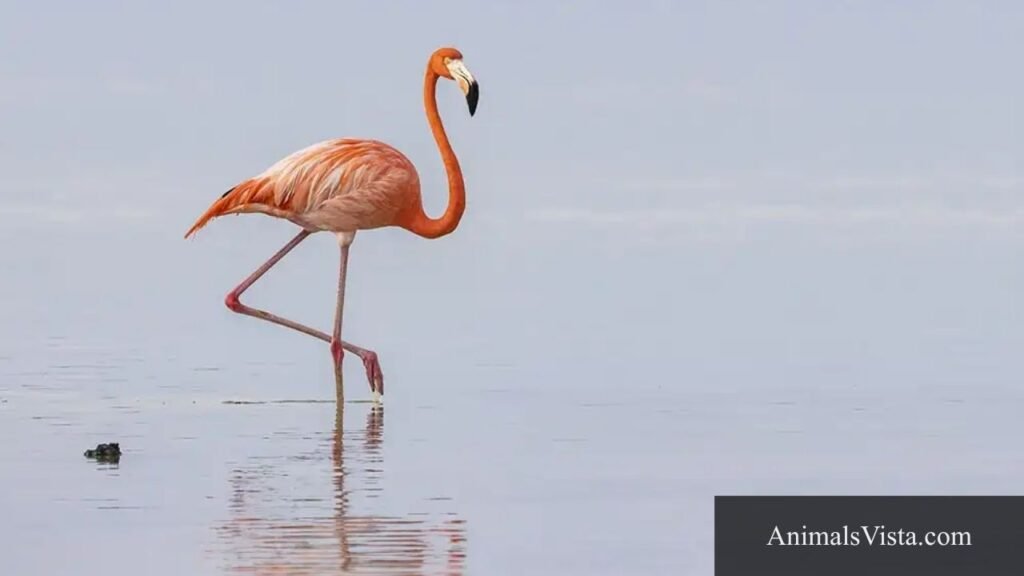
What truly sets flamingos apart is their feeding technique, or “filter feeding,” which is as spectacular as their appearance. They use their specialized beaks, which are uniquely structured to sift through water and mud to catch tiny algae, crustaceans, and other microorganisms. When feeding, a flamingo elegantly lowers its head beneath the surface, utilizing its legs to stabilize itself and maintain posture, showcasing a beautiful synergy between movement and nourishment. This captivating process not only highlights their survival skills but also serves as a vivid reminder of the interconnectedness of wildlife and the ecosystems they inhabit.
Read More: Explore Top 15 Cleanest Animals In The World
Final Thoughts
The fascinating world of bipedal animals showcases the incredible diversity and adaptability of life on Earth. From our closest relatives, the primates, to the quirky birds and surprisingly adept reptiles, these creatures demonstrate unique evolutionary paths that allow them to thrive in various environments. Each species offers insights into the complexities of locomotion and the advantages of walking on two legs. As we continue to study and appreciate these remarkable animals, let us also reflect on the importance of conservation efforts to protect their habitats. Join us in celebrating the wonders of bipedalism and supporting the preservation of these incredible species.
FAQs
What are animals that walk on two legs called?
Animals that walk on two legs are called bipedal animals. This category includes a variety of species, most notably humans, birds, and some primates. Bipedalism allows these animals to travel efficiently on land, freeing their front limbs for other tasks, like foraging or handling objects.
Which animal runs on two legs?
The most well-known animal that runs on two legs is, of course, humans. Our unique anatomy allows us to walk and run efficiently on two legs, a trait that has greatly influenced our development as a species. While humans are the primary bipedal creatures, some birds like ostriches and emus also use their two legs for running, often at impressive speeds.