Top 25 Animals With Webbed Feet (With Images)
Certain animals seem perfectly designed for life in the water, thanks to their webbed feet. Animals with webbed feet, from the playful otter to the graceful duck, exhibit astounding adaptations that allow them to thrive in aquatic settings. This article will take you on a journey to discover these remarkable creatures and explain the significance of their unique anatomical features. By the end, you’ll appreciate how webbed feet are not just adaptations, but vital tools for survival.
List of Animals With Webbed Feet:
Below is the list of animals with webbed feet:
- Capybara
- Antarctic Petrel
- American Bullfrog
- Duck
- Axolotl
- Blue-Footed Booby
- Alligator
- Puffin
- Goose
- North American Beaver
- Pelican
- Avocet
- Flying Frog
- Crocodile
- River Otter
- Seagull
- Penguin
- Cormorant
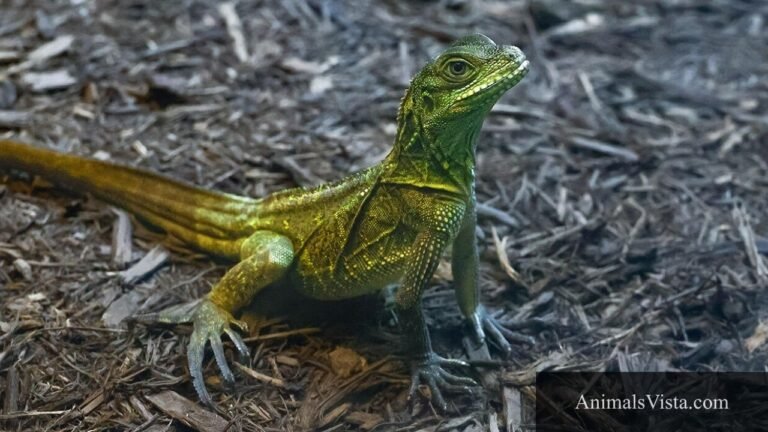
- Iguana
- Flamingo
- Loon
- Trumpeter Swan
- Platypus
- Crab Plover
- Albatross
Capybara
Scientific Name: Hydrochoerus hydrochaeris
Class: Mammalia
Diet: Herbivore
The capybara, the world’s largest rodent, is not only fascinating for its sociable nature and impressive size but also for its webbed feet, which facilitate aquatic living. These adaptations enable capybaras to swim effortlessly through water, a critical skill for escaping predators and foraging for their favorite aquatic plants. While often overlooked, the webbing between their toes serves a practical purpose — allowing them to paddle efficiently, thus demonstrating a remarkable evolutionary trait that harmonizes their semi-aquatic lifestyle with their social behavior.
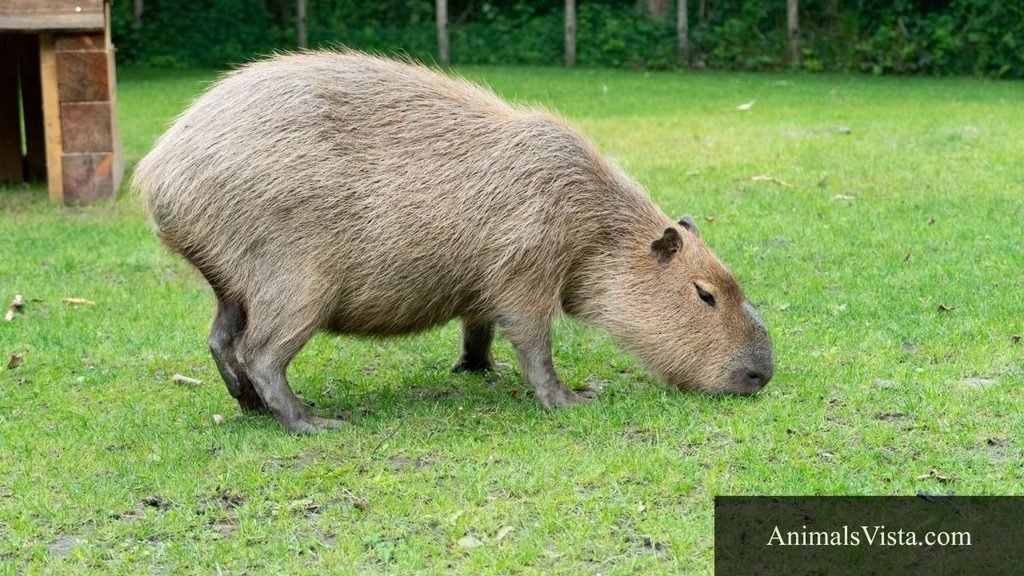
Surprisingly, capybaras often engage in what can be described as “social swimming,” forming tight-knit groups that wade through rivers and wetlands together. This behavior underscores an advanced social structure that is rare among rodents and emphasizes their affinity for community. The capybara’s webbed feet are not merely functional; they enable interactions with various species in their habitats, such as birds and monkeys, creating a rich tapestry of ecological relationships. By observing these gentle giants, one gains a deeper appreciation of how physical adaptations can enhance both survival and social cohesion within the animal kingdom.
Antarctic Petrel
Scientific Name: Thalassoica antarctica
Class: Aves
Diet: Carnivore
The Antarctic Petrel, a magnificent seabird of the Southern Ocean, showcases nature’s remarkable adaptations with its webbed feet. These unique appendages not only facilitate agile swimming but also enhance its ability to glide effortlessly over choppy waters, making it an adept forager for krill and other marine prey. While many birds possess webbing, the Antarctic Petrel’s feet are particularly suited for its harsh environment, allowing it to navigate icy landscapes and engage in aerial acrobatics that leave observers in awe.
What sets the Antarctic Petrel apart is its incredible resilience to extreme weather conditions. Nesting on the rocky cliffs of Antarctica, these birds endure sub-zero temperatures and fierce winds, all while raising their young in relative safety. The combination of webbed feet and a powerful wingspan allows them to traverse vast distances between feeding grounds, emphasizing their role as both hunters and nurturers in a challenging ecosystem. This duality not only highlights their evolutionary prowess but also reminds us of the interconnectedness of life in some of the Earth’s most inhospitable regions.
American Bullfrog
Scientific Name: Lithobates catesbeianus
Class: Amphibia
Diet: Carnivore
The American bullfrog, known for its distinctive loud croak, thrives in wetland ecosystems where its webbed feet play a crucial role in its lifestyle. These webbed feet are perfectly adapted for powerful swimming, allowing the bullfrog to glide through water with surprising agility. While it primarily inhabits ponds and marshes, this amphibian’s ability to move seamlessly between aquatic and terrestrial environments highlights its versatility. The webbing not only helps in propulsion but also aids in maneuvering through dense vegetation found in its watery habitat.
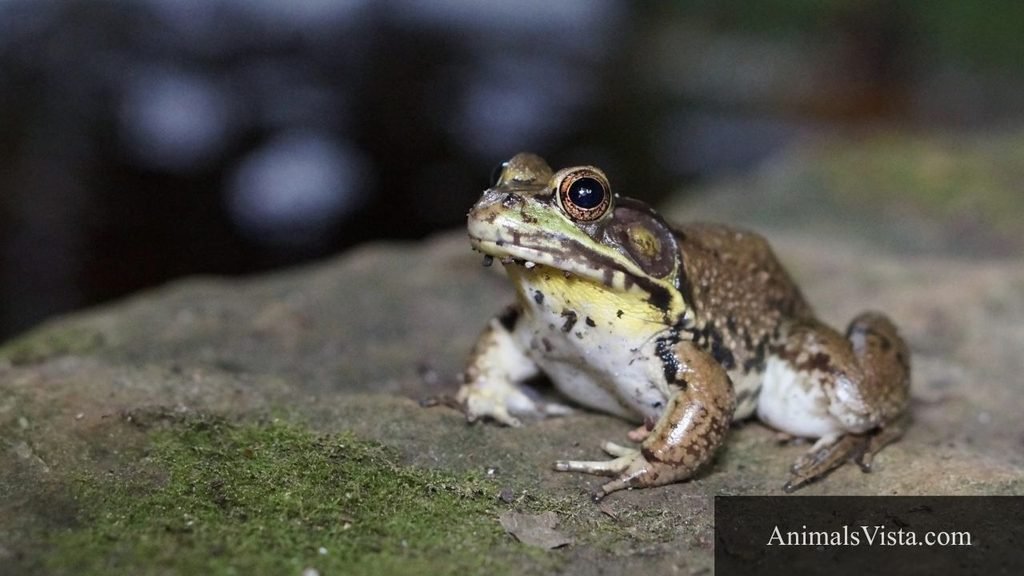
Yet, there’s more to the American bullfrog than just its adept swimming skills. This species is also an opportunistic feeder, preying on a variety of organisms, from insects to small fish. Its unique hunting strategy combines stealth and speed — using its webbed feet to stealthily approach its prey before making a lightning-fast leap. This predation adaptability isn’t just a testament to survival; it showcases the intricate balance of life in wetlands, where the bullfrog is both predator and prey. In a world where ecosystems are increasingly threatened, understanding the ecological significance of such animals underscores the importance of preserving their habitats.
Read More: Explore Top 23 Animals with Long Tails
Duck
Scientific Name: Anas platyrhynchos
Class: Aves
Diet: Omnivore
Ducks are one of the most recognizable animals with webbed feet, and their unique adaptations make them fascinating creatures. Their webbing, a clever evolutionary feature, allows them to glide effortlessly across water, transforming them into agile swimmers. This adaptation not only aids in movement but also plays a crucial role in their hunting strategy. Ducks can easily dive beneath the surface to catch food, effectively using their feet as paddles to maneuver with precision.
Beyond their physical traits, ducks embody a social complexity that often goes unnoticed. They communicate with an array of vocalizations and body language, fostering intricate relationships within their flocks. This social behavior enhances their survival, enabling them to coordinate during migration or alert one another to potential predators. The harmonious blend of their adaptive physiology and social intelligence paints a picture of resilience and cooperation in the wild, reminding us that every aspect of an animal’s being contributes to its role in the ecosystem.
Axolotl
Scientific Name: Ambystoma mexicanum
Class: Amphibia
Diet: Carnivore
The axolotl, often showcases an extraordinary adaptation with its webbed feet, ideally suited for its aquatic lifestyle. Unlike many amphibians that undergo metamorphosis, axolotls retain their larval features throughout their lives, a phenomenon known as neoteny. This unique trait not only enhances their charm but also showcases their evolutionary niche, as their webbed feet allow for agile swimming in the aquatic environments of canals and lakes in Mexico.
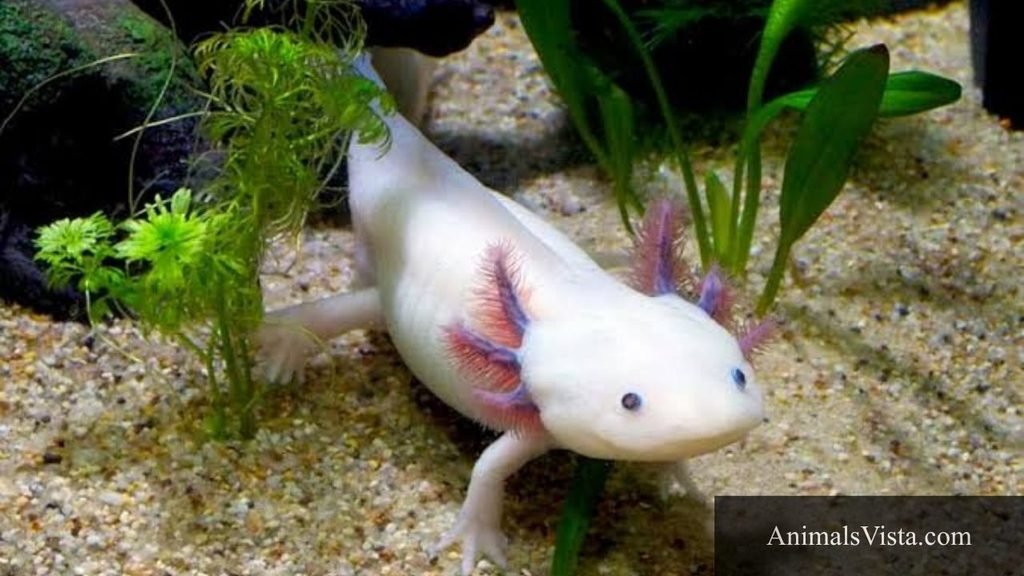
These fascinating creatures possess a remarkable regeneration ability, which extends even to their feet. If an axolotl loses a limb, the webbed structure can seamlessly regrow, highlighting a biological prowess that captures the attention of scientists and animal enthusiasts alike. Moreover, their vibrant coloration, ranging from pale pink to deep black, can often reveal the genetic diversity within their populations. In an era of ecological challenges, the axolotl serves as a living testament to resilience, making its webbed feet a symbol of adaptability in the face of change.
Blue-Footed Booby
Scientific Name: Sula nebouxii
Class: Aves
Diet: Carnivore
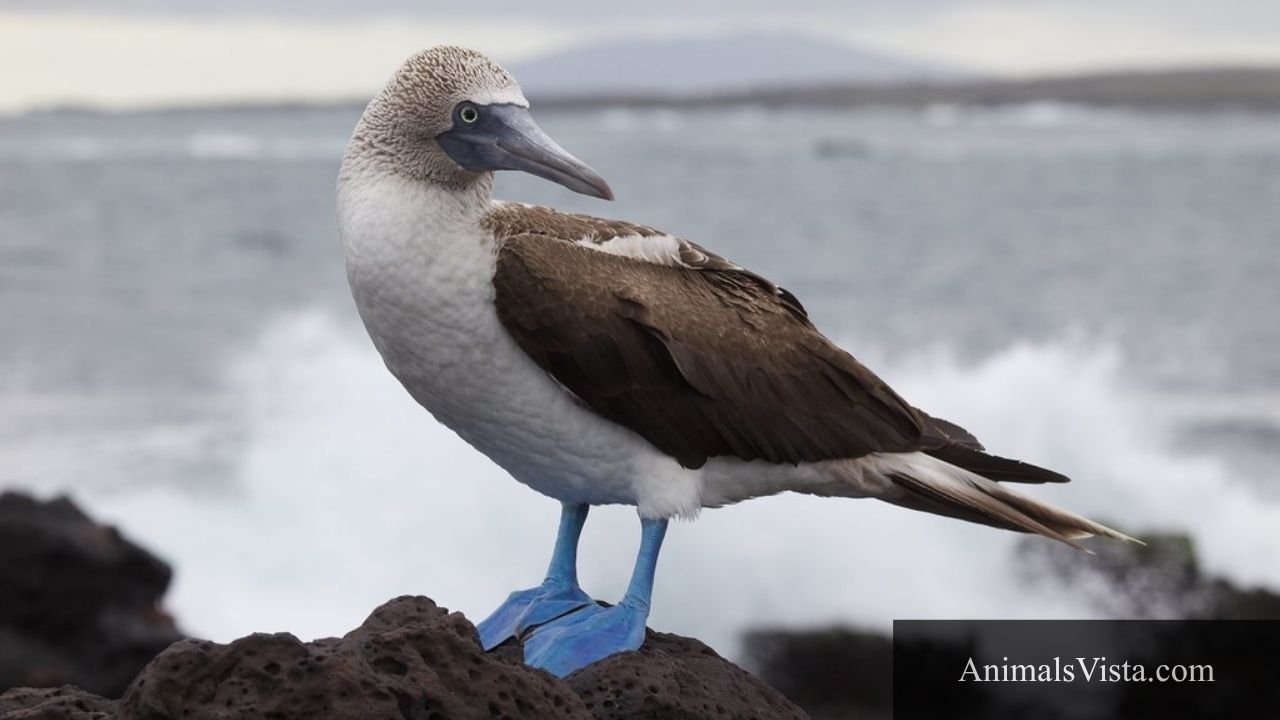
The blue-footed booby is a fascinating example of evolution at work in marine environments. Found primarily in the Galápagos Islands, these birds are not just a visual marvel; their webbed feet are a vital adaptation for their lifestyle. The webbing allows them to navigate effortlessly through water, making them exceptional divers as they hunt for fish at remarkable depths. This adaptation is essential in an ecosystem where agility and precision can mean the difference between a successful catch and hunger.
What truly sets the blue-footed booby apart, however, is the role its unique coloration plays in mating rituals. Males flaunt their brilliant blue feet during courtship displays — an intriguing showcase of both health and vitality. The intensity of the foot color can signal genetic fitness to potential mates, creating a vibrant spectacle of nature’s selection process. This relationship between physical traits and reproductive success adds another layer to our understanding of animal behavior, showcasing how beauty and function intertwine in the dance of survival and love. Each glance at these remarkable birds serves as a reminder of the extraordinary adaptations that nature crafts in response to its diverse challenges.
Alligator
Scientific Name: Alligator mississippiensis
Class: Reptilia
Diet: Carnivore
Alligators are fascinating creatures, and their webbed feet are a prime example of nature’s ingenuity. These robust appendages serve as powerful paddles, enabling alligators to navigate their aquatic environments with remarkable ease. When submerged, their webbing helps minimize resistance, allowing them to glide silently through the water, which is essential for both hunting and avoiding predators.
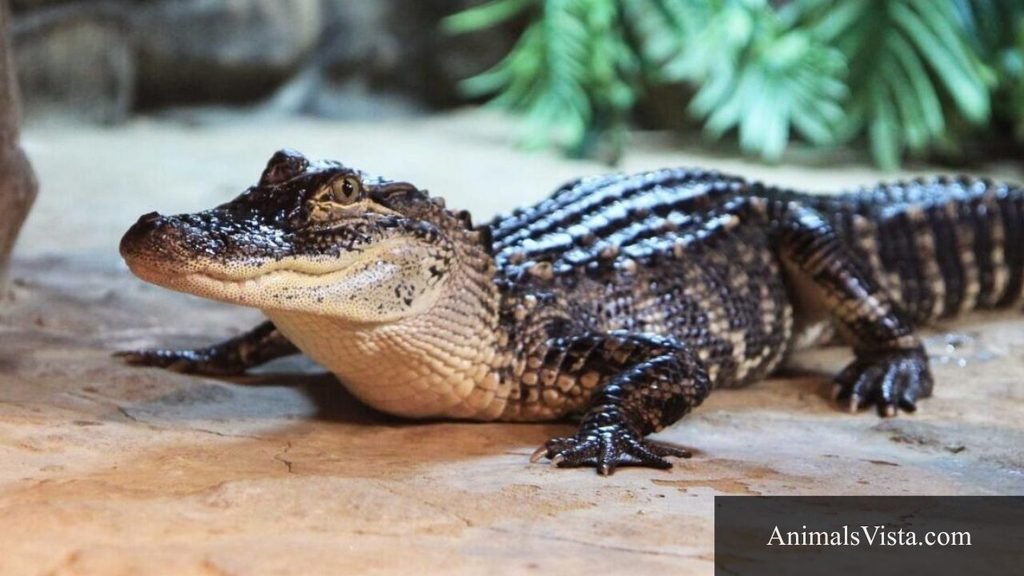
But webbed feet are not solely about speed; they also reflect a sophisticated adaptation to their habitat. In murky waters where visibility is low, alligators rely on their keen sense of smell and the ability to silently maneuver to catch their prey off guard. This design not only enhances their hunting efficiency but also showcases the evolutionary brilliance that equips them to thrive in a complex ecosystem. Furthermore, it’s a reminder of the interconnectedness of adaptations — how each part of an animal’s physiology can play a critical role in its survival and success in the wild.
Puffin
Scientific Name: Fratercula arctica
Class: Aves
Diet: Carnivore
Puffins are masters of the ocean, and their webbed feet play a crucial role in their aquatic prowess. These charming seabirds rely on their uniquely structured feet to navigate the waters with astonishing grace. Unlike most birds that simply float, puffins dive beneath the surface, using their webbed feet to propel themselves like miniature torpedoes, expertly maneuvering through schools of fish. This adaptation not only aids in catching prey but also showcases the puffin’s remarkable evolution in a competitive marine environment.
While puffins are exceptional flyers, it’s their webbed feet that reveal a fascinating duality in their lifestyle. When on land, these “sea parrots” trade their streamlined swimming for a more tentative waddle, highlighting the contrast between their abilities in water and on solid ground. This duality can be seen in their breeding habits as well; puffins often nest in burrows on steep cliffs, where agility and balance are essential. Their webbed feet, perfectly designed for swimming, thus become a part of their charm, illustrating how nature finds versatile solutions to life in diverse habitats.
Goose
Scientific Name: Anser anser
Class: Aves
Diet: Herbivore
The goose boasts webbed feet that are perfectly designed for both swimming and land mobility. These remarkable appendages enable them to glide effortlessly through water, which is essential for foraging, escaping predators, and navigating their aquatic habitats. The webbing between their toes provides remarkable propulsion, allowing them to take off with impressive speed when they sense danger, while their broad feet also serve to help them waddle effectively on soft terrain.
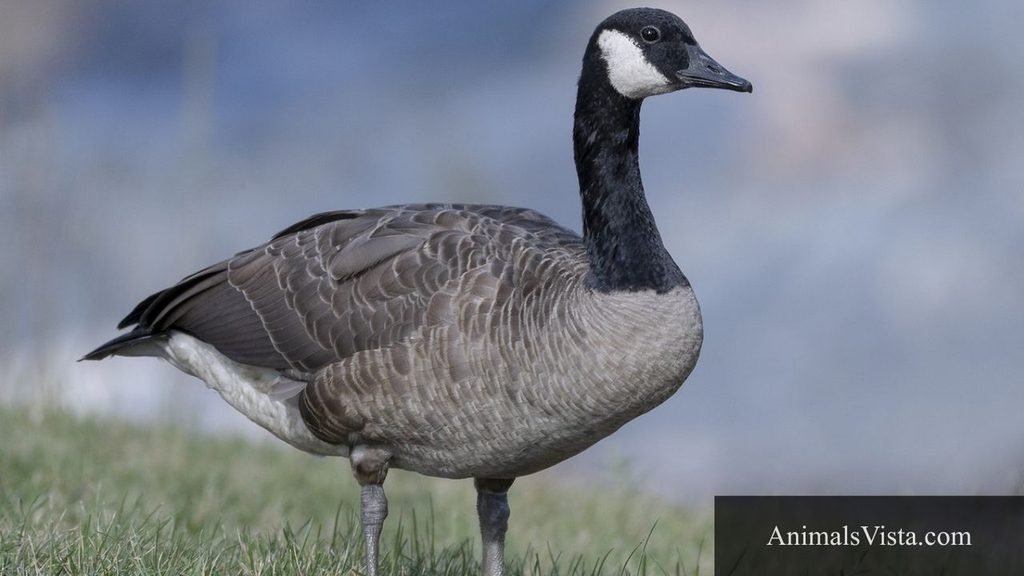
The design of a goose’s foot is more than just functional; it’s a brilliant adaptation to their dual lifestyle. On land, their webbed feet help them maintain balance and move efficiently, whether foraging for grasses or nesting materials. Even in the air, during migration season, their unique foot structure plays a role in their overall aerodynamics. This seamless blend of form and function offers insight into how evolution tailors animals to their environments, showcasing the beauty of nature’s engineering. The next time you see a goose gliding across a pond, reflect on how its webbed feet embody a perfectly tuned adaptation to a life shared between land and water.
North American Beaver
Scientific Name: Castor canadensis
Class: Mammalia
Diet: Herbivore
The North American beaver, a master of environmental engineering, showcases the fascinating adaptation of webbed feet. These animals, with their powerful hind limbs, are not just built for swimming; they embody a unique blend of both waterway navigators and land dwellers. When gliding through rivers and streams, their webbed feet act like paddles, allowing them to maneuver effortlessly and dive deep for food. Their streamlined shape, coupled with the webbing, minimizes resistance, making them efficient swimmers, capable of reaching speeds up to 5 miles per hour.
But the beaver’s adaptations extend beyond movement. Their webbed feet play a crucial role in their habitat construction. As they gather branches and mud to build dams, their dexterous toes help them grip and manipulate materials with precision. This ability not only shapes their immediate environment but also creates vital ecosystems for countless other species, emphasizing the interconnectedness of life. In a world where waterways are often at risk, beavers serve as nature’s architects, reminding us of the delicate balance necessary for sustaining biodiversity.
Pelican
Scientific Name: Pelecanus occidentalis
Class: Aves
Diet: Carnivore
The pelican, with its striking wingspan and unmistakable beak, embodies the unique adaptations that allow it to thrive in aquatic environments. Its webbed feet, often overshadowed by its iconic bill, are engineered for precise navigation through water. These versatile appendages enable pelicans to paddle gracefully, maneuvering quickly to catch fish while gliding effortlessly across the surface. The interconnecting webbing supports their weight, allowing them to stay buoyant and agile both while swimming and when launching into the air.
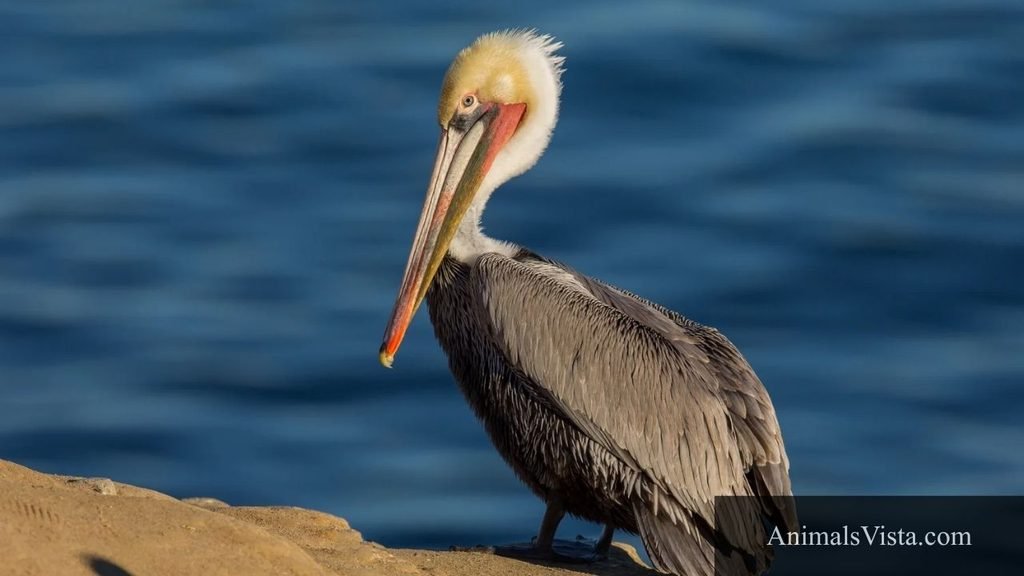
What’s particularly fascinating about pelicans is their social behavior during feeding. Often seen diving or skimming the water’s surface, they employ teamwork to drive schools of fish into tighter groups, maximizing their catch. This collaboration showcases a remarkable blend of physical adaptation and social intelligence, where their webbed feet play a crucial role in their hunting strategy. Observing these majestic creatures in their natural habitat offers a glimpse into the profound connection between anatomy and behavior in the animal kingdom. Through the lens of the pelican, we see not only a master of flight and fishing but also an emblem of nature’s ingenuity, illustrating how form and function come together in the wild.
Avocet
Scientific Name: Recurvirostra avosetta
Class: Aves
Diet: Carnivore
The avocet, with its strikingly curved beak and long legs, stands out in any wetland habitat, but it’s its webbed feet that truly define its lifestyle. These uniquely adapted appendages allow for nimble movement in shallow waters, ideal for foraging insects and crustaceans. Unlike the more common paddle shape seen in ducks, the avocet’s webbing is elongated, facilitating quick sprints and sudden changes of direction while hunting. This agility is vital in evading predators and competing for food.
What makes the avocet even more fascinating is its behavior during breeding season. These birds form strong pair bonds, often engaging in elaborate courtship dances that display their graceful movements and enhance their chemistry. During nesting, their webbed feet come into play again — allowing them to expertly build nests close to water, safeguarding their eggs from terrestrial threats. As custodians of their environment, avocets help maintain the delicate balance of wetland ecosystems, making them not just remarkable in appearance, but essential players in their habitats.
Flying Frog
Scientific Name: Rhacophorus nigropalmatus
Class: Amphibia
Diet: Carnivore
The flying frog captivates both scientists and nature enthusiasts with its unique adaptations. Its remarkable webbed feet not only aid in swimming but also play a crucial role in its astonishing gliding ability. When it leaps from high branches, these webbed appendages unfold, acting like parachutes that stabilize its flight through the humid air of Southeast Asia’s rainforests. This extraordinary adaptation showcases nature’s ingenuity, enabling the frog to traverse vast distances between trees in search of food and mates.
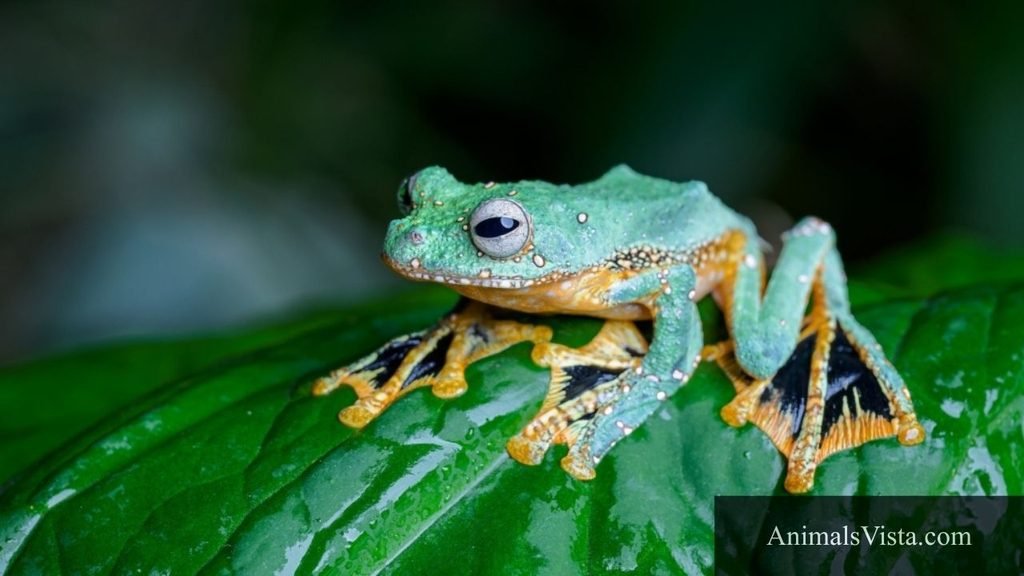
The flying frog’s vibrant green coloration, coupled with its striking webbing, serves dual purposes: it camouflages against leaves, while also attracting the attention of potential partners during mating season. Furthermore, this remarkable amphibian epitomizes the delicate balance of forest ecosystems, as its survival is intertwined with the health of its arboreal habitat. As climate change threatens these environments, understanding the flying frog’s unique biology can inspire conservation efforts aimed at preserving not just this species, but the intricate web of life it represents.
Crocodile
Scientific Name: Crocodylus porosus
Class: Reptilia
Diet: Carnivore
Crocodiles are fascinating creatures not only because of their formidable presence but also due to their unique adaptations, including webbed feet. These webbed structures are pivotal for their aquatic lifestyle, providing exceptional propulsion as they glide through water. Unlike the typical perception of webbed feet seen in ducks or frogs, a crocodile’s feet are more subtler, yet they are a crucial enhancement for their hunting prowess.
The webbing allows them to maintain agility while managing swift movements, making them stealthy predators. When submerged, their powerful tails and webbed feet work in tandem, propelling them with remarkable efficiency. This adaptation not only aids in capturing prey but also helps them navigate their natural habitats — swamps, rivers, and lakes — with ease. Furthermore, crocodiles exhibit a fascinating behavioral aspect: they often use their webbed feet to create a ripple effect on the water’s surface to distract fish, showcasing an intelligent use of their anatomy in social hunting strategies.
River Otter
Scientific Name: Lontra canadensis
Class: Mammalia
Diet: Carnivore
River otters are fascinating creatures, perfectly adapted for life both on land and in water. Their webbed feet are a remarkable feature that enhances their swimming prowess, allowing them to glide effortlessly through rivers, lakes, and wetlands. These feet act almost like paddles, enabling them to navigate swiftly while foraging for fish, crustaceans, and the occasional amphibian. As playful as they are skilled, river otters use their agility in the water for more than just hunting; they engage in exuberant games that strengthen social bonds within their family groups.
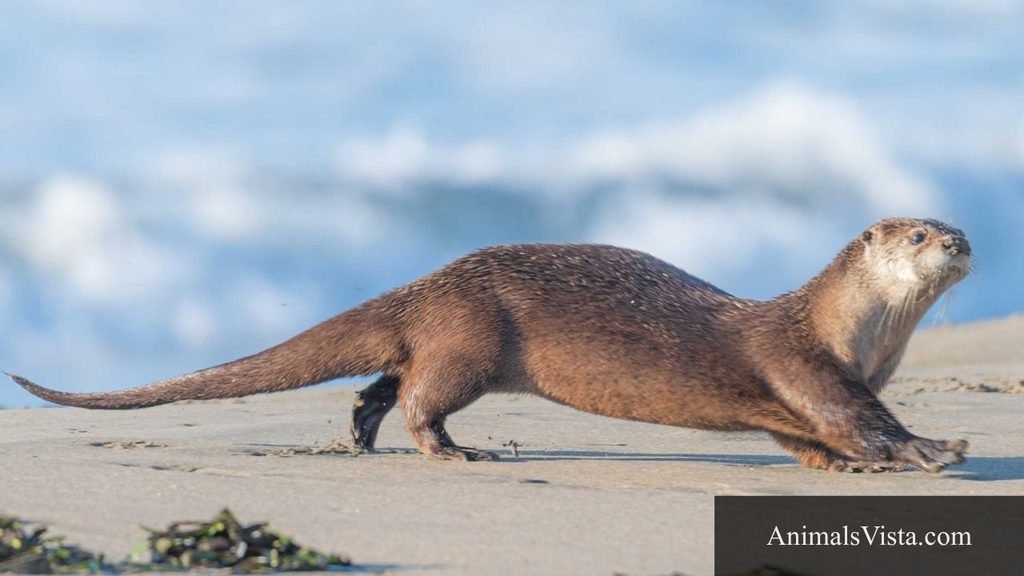
Beyond their aquatic agility, the presence of webbed feet influences their overall lifestyle. For instance, river otters are less hindered by the shifting habitats that come with seasonal changes, allowing them to thrive in diverse environments. Observing them dive and surface with ease offers insight into nature’s efficiency — how a single adaptation can foster resilience and playful exploration. Moreover, their webbed feet underscore an essential truth about evolution: it isn’t just about survival but thriving in a world that constantly changes. River otters not only capture our attention with their antics but also remind us of the elegance and adaptability inherent in the animal kingdom.
Seagull
Scientific Name: Larus argentatus
Class: Aves
Diet: Omnivore
Seagulls are masters of adaptation, with their webbed feet playing a crucial role in their lifestyle. These specialized feet allow them to navigate both water and land with ease, enabling seamless transitions from diving for fish to walking on sandy shores. While many might see them as mere scavengers, their webbed feet reveal a surprising elegance in their hunt; they can swiftly paddle through waves, showcasing their impressive agility and grace.
What’s fascinating is how these appendages enhance their social behaviors. Seagulls gather in diverse habitats, using their webbed feet not just for efficient movement, but also in displays of dominance and courtship. Their ability to wade through tidal pools and commune with one another highlights a level of social complexity that often goes unnoticed. Observing seagulls in their natural habitats reveals the intricate balance of their lives, where every aspect, including those unassuming feet, plays a vital role in their survival and social dynamics.
Penguin
Scientific Name: Aptenodytes forsteri
Class: Aves
Diet: Carnivore
Penguins are iconic for their webbed feet, which serve as extraordinary tools for both swimming and navigating icy terrains. Unlike other birds, penguins possess flat, paddle-like feet that enable them to glide seamlessly through the water, achieving impressive speeds of up to 15 miles per hour. This unique adaptation is not just for show; it enhances their hunting prowess, allowing them to catch swift fish and evade predators in their frigid aquatic environment.
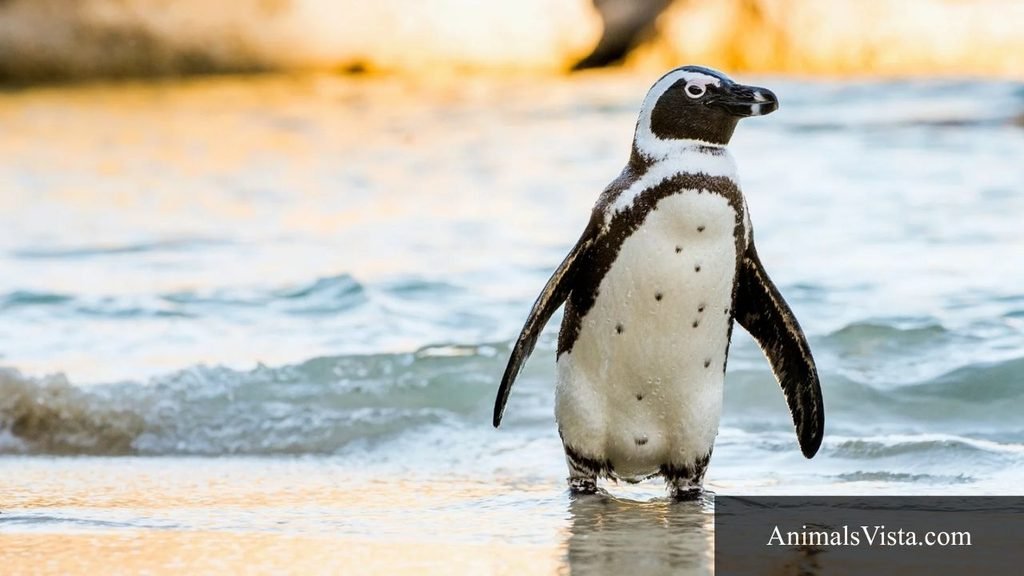
Beyond their swimming abilities, the structure of penguin feet plays a crucial role in their social interactions. The webbing aids in their locomotion on slippery ice, facilitating their graceful waddling across snow and ensuring stability. Interestingly, those webbed feet also help in temperature regulation, as the blood vessels in their extremities allow for thermoregulation in freezing conditions. As we marvel at these flippered fowl, we are reminded of the intricate ways evolution shapes the lives of creatures in extreme habitats.
Cormorant
Scientific Name: Phalacrocorax carbo
Class: Aves
Diet: Carnivore
The cormorant is another master of aquatic adaptation. With webbed feet that act as powerful paddles, these birds glide seamlessly through water, diving with remarkable agility to catch fish. Unlike many of their avian counterparts, cormorants often display a unique hunting technique; they can dive as deep as 45 meters, using their wings to propel themselves underwater. This incredible ability allows them to evade prey, showcasing an uncanny blend of grace and precision.
What sets cormorants apart is their captivating behavior post-hunt. After a successful dive, they typically return to land or a perch, where they spread their wings wide to dry. This peculiar display not only aids in feather maintenance but also offers an enchanting sight to onlookers. Their social nature comes into play as well; often found in groups, cormorants communicate through a series of guttural calls and mimicry, adding to the spectacle of their gatherings. Observing these intelligent birds reveals a complex social structure that underscores the rich tapestry of life within aquatic ecosystems.
Iguana
Scientific Name: Iguana iguana
Class: Reptilia
Diet: Herbivore
Iguanas possess webbed feet that play a surprisingly versatile role in their lives. While many might think of webbed feet solely in the context of aquatic animals, for the green iguana, these adaptations are essential for navigating both land and water. When threatened, iguanas can take to the water with remarkable agility, using their webbed toes to propel themselves efficiently and evade predators. This adaptability showcases their dual lifestyle as both terrestrial and semi-aquatic creatures, highlighting an often-overlooked aspect of their ecology.
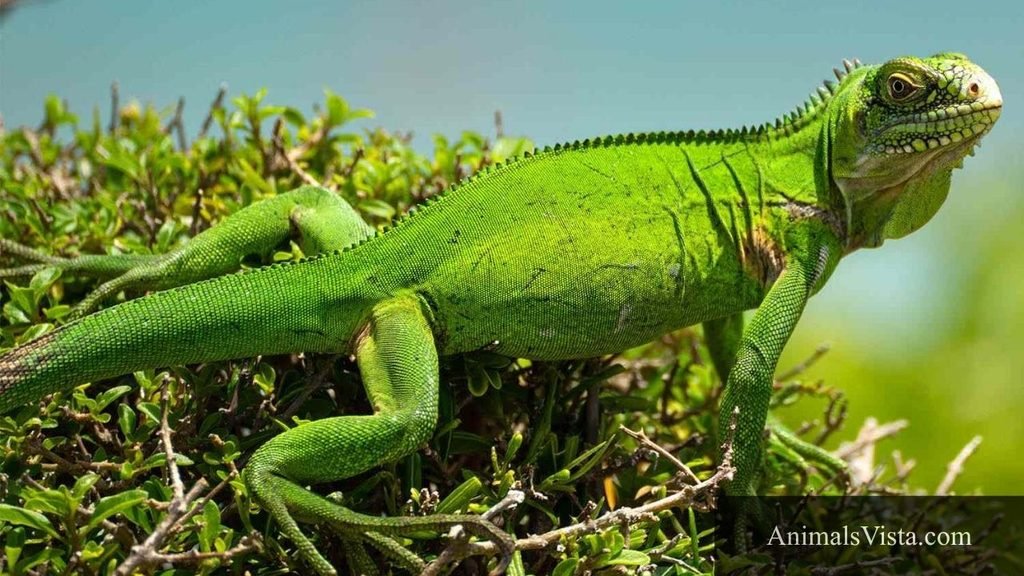
Moreover, the design of their webbed feet allows for more than just swimming; it aids in climbing and stability. When scaling trees or rocky surfaces, the slight webbing between their toes provides enhanced grip, supporting their arboreal habits. This clever adaptation means that iguanas can expertly traverse diverse environments — from lush canopies to serene shores — while maintaining their fascinating lifestyle. Such unique evolutionary traits invite us to rethink our understanding of animal adaptations, as even the smallest details, like webbed feet, can significantly influence survival and behavior in the wild.
Flamingo
Scientific Name: Phoenicopterus roseus
Class: Aves
Diet: Omnivore
Flamingos are not just visually stunning; their webbed feet play a crucial role in their unique feeding habits. These graceful creatures wade through shallow waters, using their long legs to stir up sediment and reveal hidden aquatic delicacies. The webbing between their toes helps them navigate murky waters with ease, allowing them to stand for hours while filtering food from the rich, muddy substrate below.
Interestingly, the specialized structure of a flamingo’s foot aids in its feeding technique. Unlike many birds that forage on the surface, flamingos invert their heads underwater, using their unique bill to sift through sediments. The webbing assists in stability, helping them maintain balance as they comb the depths for tiny crustaceans and algae, which contribute to their striking pink coloration. This adaptation not only highlights their remarkable evolution but also showcases the intricate relationship between anatomy and environment in the animal kingdom.
Loon
Scientific Name: Gavia immer
Class: Aves
Diet: Carnivore
The loon, an iconic bird of northern lakes, is a marvel of evolution, perfectly adapted for its aquatic life. With its striking black-and-white plumage and haunting calls, the common loon captivates nature enthusiasts and researchers alike. Its webbed feet, serving as powerful paddles, enable it to glide effortlessly through water, diving deep to hunt fish with remarkable agility. Unlike many birds, loons are almost entirely water-based, their legs positioned far back on their bodies, which enhances their swimming efficiency at the cost of walking prowess.
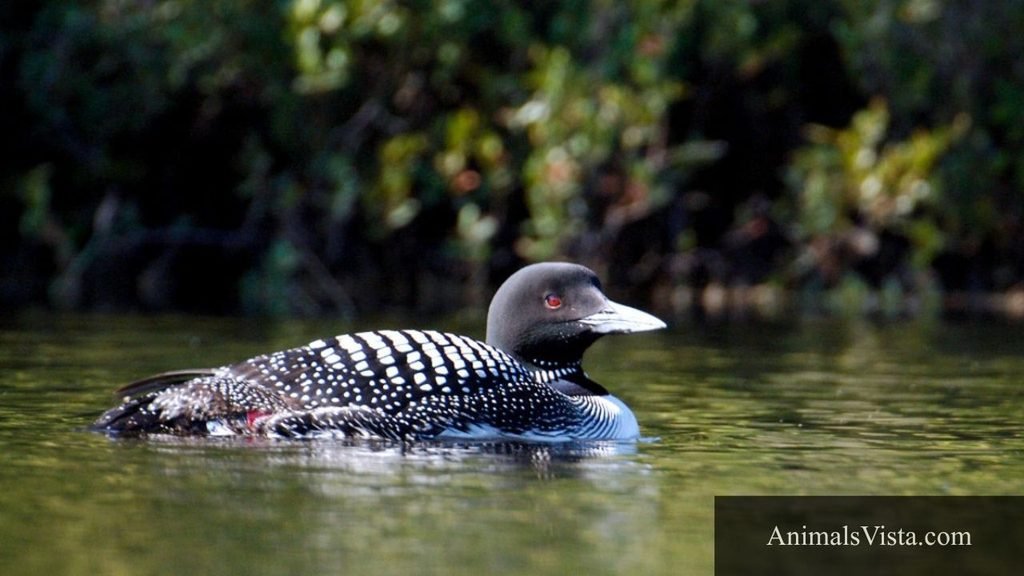
What’s particularly fascinating about loons is their unique vocalization, which varies not just by region but can also reflect their emotional state. These haunting calls echo across tranquil lakes, creating an otherworldly atmosphere that resonates deep within the soul. During the breeding season, their calls serve a vital role in territory establishment and mate attraction. Moreover, loons display extraordinary parental care, with both parents working in tandem to nurture their fluffy chicks. This commitment enhances the survival of their young, emphasizing not just the beauty of their webbed feet, but the intricate web of life they help sustain within their aquatic ecosystems.
Trumpeter Swan
Scientific Name: Cygnus buccinator
Class: Aves
Diet: Herbivore
The Trumpeter Swan, with its striking white plumage and graceful neck, is more than just a visual marvel; it’s a master of aquatic navigation thanks to its webbed feet. These specialized appendages function like paddles, enabling the swan to glide effortlessly through water, whether it’s foraging for submerged vegetation or evading potential predators. Unlike some other waterfowl, the Trumpeter Swan employs its powerful webbed feet to propel itself gracefully, showcasing an elegant stroke that belies its robust size.
What’s particularly fascinating is how these webbed feet adapt to different environments. In shallow waters, they serve as effective tools for rooting out plants, while in deeper lakes, they allow the swan to cover impressive distances with ease. Additionally, their webbed design reduces drag, making them incredibly efficient swimmers. Observing these magnificent birds in their natural habitat reveals not just their beauty, but also their remarkable adaptability — an essential trait in the ever-changing landscapes they inhabit.
Platypus
Scientific Name: Ornithorhynchus anatinus
Class: Mammalia
Diet: Carnivore
The platypus showcases an extraordinary blend of features that defies the conventional categorization of mammals. Equipped with webbed feet, this semi-aquatic creature utilizes its unique appendages not just for swimming but as efficient tools for foraging underwater. These webbed feet act like paddles, allowing the platypus to glide through rivers and streams with surprising agility, all while effortlessly propelling itself in search of dietary delights like insects and crustaceans.
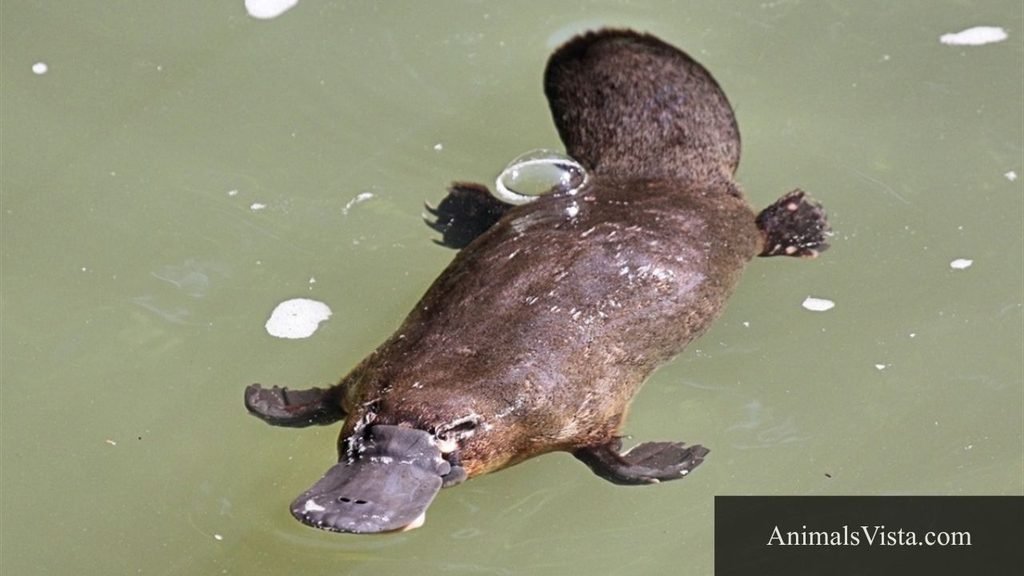
But it’s the platypus’s method of hunting that truly captivates. As it dives beneath the water, it closes its eyes and ears, relying on electroreception to detect the tiny electrical impulses generated by its prey. The webbing helps it to navigate through the murky depths, and when it surfaces, the skin between its toes retracts, revealing sharp claws ideal for digging into riverbeds. This duality of form enhances not only its hunting prowess but also illustrates the remarkable adaptability of life in various environments. The platypus is a living testament to nature’s ingenuity, showcasing how specialized traits can evolve to meet the demands of survival in a diverse ecosystem.
Crab Plover
Scientific Name: Dromas ardeola
Class: Aves
Diet: Carnivore
The Crab Plover, a remarkable shorebird found in the coastal regions of the Indian Ocean, embodies the unique adaptations that webbed feet can provide. These birds, with their striking black-and-white plumage and long, slender legs, showcase a perfect blend of beauty and function. The webbing between their toes allows them to navigate effortlessly over soft, sandy shorelines and muddy substrates, making them proficient foragers. Their specialized feet enable them to hunt for crabs and other invertebrates, demonstrating a fascinating example of evolution finely tuning morphology to environmental demands.
One of the most intriguing aspects of the Crab Plover’s life is its breeding behavior. These birds create their nests in burrows that they dig into sandy banks, relying on their formidable toes to excavate the soft substrate. This nesting method not only keeps their eggs safe from predators but also highlights their adaptability to harsh coastal environments. Observing a Crab Plover in its natural habitat offers a glimpse into a world where form and function meet, revealing how even the simplest physical feature can play a crucial role in survival and reproduction strategies.
Albatross
Scientific Name: Diomedea exulans
Class: Aves
Diet: Carnivore
The albatross, with its majestic wingspan stretching nearly 12 feet, is a marvel of evolution, perfectly adapted to a life spent gliding over vast oceans. Its webbed feet, often overlooked, play a crucial role in its daily existence. While primarily designed for swimming, these unique appendages assist the albatross in stabilizing itself when landing on turbulent waters, essentially acting as rudders in a world of waves. This adaptation allows the bird to conserve energy while riding air currents, making its long migratory journeys from the frigid Southern Ocean to the warm waters of the tropics a breeze.
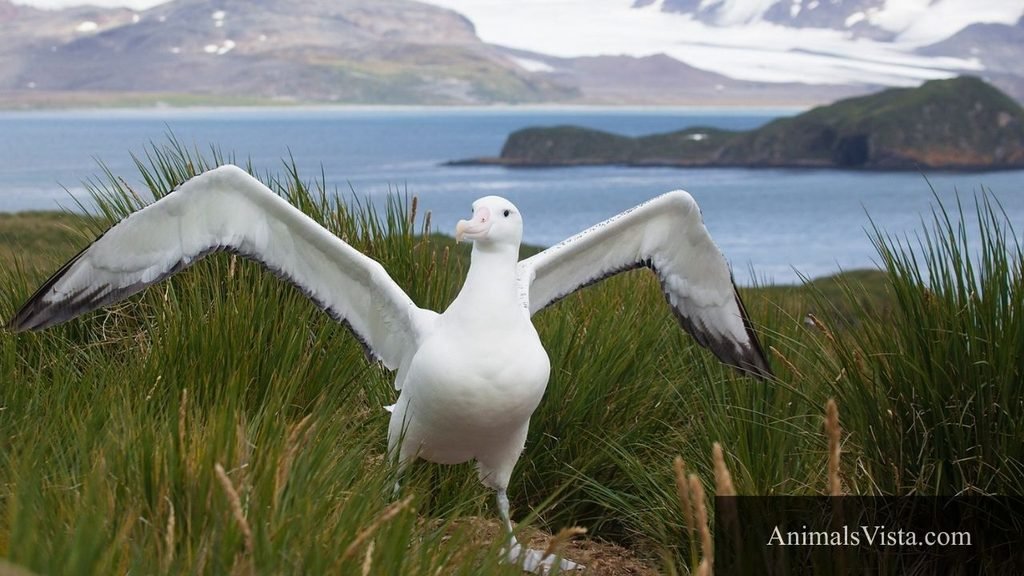
The albatross’s feet are a testament to their dual life. When in the water, these webbed feet propel them efficiently, helping them dive for fish or squid close to the surface. But on land, they serve a different purpose; the albatross often nests on rugged cliffs, and their feet provide a solid grip on the rocky terrain, showcasing how versatility is key to survival. This dual functionality highlights not just the albatross’s physical adaptations but also its ingenious ability to thrive in varied environments, truly embodying the spirit of resilience in the natural world.
Read More: Explore Top 19 Anxious Animals In The World
Final Thoughts
The diversity of animals with webbed feet highlights the incredible ways nature has evolved to meet specific needs. These adaptations not only facilitate movement in water but also showcase the interconnectedness of wildlife and their environments. Whether it’s the vibrant frogs leaping in wetlands or the majestic swans gracing lakes, webbed feet play an essential role in their daily lives. As we learn more about these extraordinary animals, we should remain vigilant in our efforts to preserve their habitats. Join the movement to protect our natural world and the unique species that inhabit it.
FAQs
Which animals have webbed feet?
Webbed feet are common in animals that need to navigate through water efficiently. Some well-known examples include ducks, swans, and geese. These birds use their webbed feet to paddle smoothly in lakes and rivers, allowing them to swim and dive with ease. Many amphibians and some reptiles also possess webbed feet. Frogs, for instance, are equipped with webbing that helps them jump and swim. Certain turtle species, like sea turtles, have flippers that are essentially modified webbed feet, enabling them to glide through ocean currents.
Do penguins have webbed feet?
Yes, penguins do have webbed feet. Their feet are adapted for swimming, featuring a combination of webbing and strong, flipper-like structures that help them navigate through the water efficiently. This design allows them to propel themselves while swimming at speeds of up to 15 miles per hour.