
Top 23 Animals with Long Tails (With Images)
Did you know that some animals use their long tails not just for balance, but also to communicate? In the animal kingdom, tails can serve a variety of crucial functions, particularly among species that possess long tails. This article will explore the world of animals with long tails, revealing how these remarkable features aid in survival, communication, and even play. By the end, you’ll develop a deeper appreciation for these creatures and their unique adaptations.
List of Animals with Long Tails:
Below is the list of animals with long tails:
- Spider Monkey
- Chameleon
- Red Kangaroo
- Leopard Whipray
- Thresher Shark
- Peacock
- Squirrel
- Howler Monkey
- Clouded Leopard
- Long-Tailed Grass Lizard
- Ring-tailed Coatis
- Ring-tailed Lemur
- Jerboas
- Snow Leopard
- Giant Anteater
- Pangolin
- Cheetah
- Giraffe
- Red Fox
- Angola Colobus
- Tree Kangaroo
- Green Iguana
- Black-and-White Ruffed Lemur
Spider Monkey
Scientific Name: Ateles geoffroyi
Class: Mammalia
Diet: Herbivore
Spider monkeys are remarkable for their extraordinarily long, prehensile tails, which can measure up to 30 inches — almost as long as their bodies! This unique adaptation allows them to navigate the treetops of Central and South American rainforests with impressive agility. Their tails act almost like a fifth limb, enabling them to grasp branches securely as they leap from one to another, showcasing their acrobatic prowess in the canopy.

Beyond just mobility, these long tails serve a crucial role in their social interactions. Spider monkeys are known for their strong social bonds within groups, often using their tails to communicate and maintain connection during playful activities or when grooming one another. This tail-driven communication reflects a complex social structure where body language is key, underscoring the intelligence and cultural richness of these primates. As deforestation threatens their habitats, the conservation of spider monkeys becomes vital — not only for their unique anatomical features but also for the intricate relationships they foster within their communities.
Chameleon
Scientific Name: Chamaeleonidae
Class: Reptilia
Diet: Carnivore
Chameleons, renowned for their extraordinary ability to change color, possess another remarkable feature: their long, prehensile tails. Functioning almost like a fifth limb, these tails allow chameleons to expertly navigate their arboreal habitats. When they perch on branches, their tails coil around the substrate, providing stability as they survey their environment for both predators and prey. This adaptation not only enhances their dexterity but also underscores a fascinating blend of evolution and survival.
Beyond their utility for balance, these long tails play a pivotal role in communication. In the chameleon world, tail movements can signal everything from alarm to courtship. While their vibrant colors often steal the show, the subtleties found in tail positioning and movement convey rich social cues that enhance their interactions within complex ecological niches. As a result, each tail flick or curl becomes a vital part of their storytelling, transforming ordinary moments into intricate dances of expression.
Red Kangaroo
Scientific Name: Osphranter rufus
Class: Mammalia
Diet: Herbivore
The red kangaroo, a symbol of Australia’s vast outback, showcases its long, muscular tail not just for balance but as a key player in its intricate social behaviors. This powerful appendage allows them to navigate the rugged terrain with impressive agility, acting almost like a third leg during their spectacular leaps. When a red kangaroo bounds over the arid landscape, its tail works in perfect synchrony, anchoring its body while providing propulsion, emphasizing the evolutionary brilliance behind this unique adaptation.

Beyond its physical utility, the tail serves a crucial role in communication among kangaroo mobs. When feeling threatened or interacting socially, these animals utilize their tails to convey a variety of signals, from asserting dominance to establishing comfort around each other. The red kangaroo’s tail thus becomes an expressive limb, rich with meanings that reflect the complexities of their social life, showcasing how even the simplest of adaptations can resonate deeply within an animal’s behavioral ecology.
Read More: Explore Top 15 Birds With Long Necks.
Leopard Whipray
Scientific Name: Himantura leoparda
Class: Chondrichthyes
Diet: Carnivore
The leopard whipray, a stunning inhabitant of coastal waters, boasts an impressive tail that can be several times the length of its body. This elongated appendage isn’t just for show; it serves multiple vital functions, from aiding in navigation through murky depths to acting as a defensive mechanism against potential predators. With its striking, mottled skin resembling a leopard’s spots, this ray blends seamlessly into sandy ocean floors, showcasing nature’s mastery of camouflage.
The whipray’s tail is equipped with a venomous spine, adding an intriguing layer to its biology. This feature isn’t only a form of protection but also reflects the evolutionary adaptability of the species, as it allows them to thrive in diverse habitats, from estuaries to coral reefs. The tail’s grace enhances the whipray’s movement, allowing it to glide effortlessly through the water, demonstrating a ballet of survival that captivates divers and marine biologists alike. The leopard whipray is a reminder of the intricate relationships between form, function, and survival in the animal kingdom.
Thresher Shark
Scientific Name: Alopias vulpinus
Class: Chondrichthyes
Diet: Carnivore
The thresher shark, a captivating denizen of the ocean, is renowned for its impressively long tail, which can measure nearly 50% of its total body length. This distinctive feature isn’t merely for show; it plays a crucial role in the shark’s hunting strategy. By wielding its tail like a whip, a thresher can stunningly strike schools of fish, making them easier to catch. This unique hunting technique highlights the intricate balance between form and function in nature, showcasing how evolutionary adaptations can lead to remarkable survival strategies.

The thresher’s long tail doesn’t just aid in hunting; it also serves as a vital tool for navigation and maintaining speed in the water. With its sleek body and powerful tail, it can execute swift, agile movements, making it a formidable predator. Observing a thresher shark in motion is a breathtaking reminder of the complexity of marine ecosystems. Each swipe of its tail seems to tell a story of survival, precision, and the art of the chase, inviting us to marvel at the wonders that lie beneath the surface of our oceans.
Peacock
Scientific Name: Pavo cristatus
Class: Aves
Diet: Omnivore
The peacock, with its extravagant tail feathers, embodies both beauty and evolutionary brilliance. These elongated plumage can span over six feet and are adorned with iridescent eyespots, creating a mesmerizing fan that captivates not just the human eye but also potential mates. The interplay of sunlight on these feathers produces a kaleidoscope of colors, allowing peacocks to communicate their health and vitality through vibrant displays. This lengthy tail, while cumbersome, plays a crucial role in sexual selection, as females are drawn to the most impressive displays, essentially favoring the fittest males.
Beyond their striking appearance, peacocks demonstrate remarkable adaptability. Their long tails enable them to navigate dense forest habitats, serving not only as a display but also as camouflage amid rich foliage. In the wild, these birds are also known to engage in complex social behaviors, often forming intricate hierarchies influenced by the size and brilliance of their tail feathers. Observing a peacock in full display is a reminder of nature’s artistry — each tail a testament to the delicate balance between beauty and survival. In a world where many species are disappearing, the peacock stands as a vibrant symbol of resilience and the wondrous complexity of nature’s designs.
Squirrel
Scientific Name: Sciuridae
Class: Mammalia
Diet: Omnivore
Squirrels are often seen as agile acrobats of the treetops, and their long, bushy tails play a crucial role in this agility. These appendages, which can be as long as their bodies, serve not just for balance while navigating narrow branches but also for communication. When two squirrels engage in playful chases or confrontations, their tails become expressive flags, signaling everything from submission to excitement. This dynamic display adds an extra layer to their social interactions, making their bustling lives in the park or forest much more intricate than they appear at first glance.

A squirrel’s tail functions as a multi-purpose tool for thermoregulation and protection. In colder months, squirrels can wrap their tails around themselves like a blanket, conserving body heat during frigid nights. Conversely, on sunny days, they can use their tails as parasols to shield themselves from harsh sunlight. This remarkable adaptation speaks volumes about their resilience and resourcefulness, reminding us that what we often overlook in nature can hold profound significance. Next time you spot a squirrel, take a moment to appreciate its long tail, a perfect blend of beauty and function, embodying the essence of survival in the wild.
Howler Monkey
Scientific Name: Alouatta
Class: Mammalia
Diet: Herbivore
The Howler Monkey, renowned for its impressive tail, is not just an acrobat of the treetops; its tail serves multiple critical purposes beyond mere balance. This prehensile appendage acts as a third hand, allowing these monkeys to expertly grasp branches and navigate their lush rainforest environments. The coat of the Howler Monkey, often a deep, rich black or a striking chestnut, contrasts beautifully with its long, agile tail, which can stretch up to three feet in length. This unique adaptation also helps to convey important social signals within their tight-knit troops, assisting in maintaining cohesion and communication.
The Howler Monkey’s distinctive vocalizations resonate through the jungle, the howls echoing for miles, serving not just as a means to establish territory but also as a captivating reminder of their vibrant presence in the ecosystem. Researchers have discovered that the pitch and rhythm of their calls can vary, leading to fascinating insights into their complex social structures and relationships. Observing these remarkable animals in their natural habitat unveils a world of interaction and hierarchy, where their long tails play an integral part in both their survival and social dynamics, painting a picture of elegance amidst the chaos of the jungle.
Clouded Leopard
Scientific Name: Neofelis nebulosa
Class: Mammalia
Diet: Carnivore
The clouded leopard, a master of the trees, showcases an extraordinary long tail that serves multiple purposes beyond mere aesthetics. This tail, which can be as long as its body, acts as a counterbalance while navigating the forest canopies, allowing the cat to execute agile movements and swift turns. Unlike other big cats, the clouded leopard’s tail is more than just an appendage; it’s a vital tool that aids in its survival, enabling it to spring from branch to branch with grace and precision.

The clouded leopard’s long tail helps maintain stability during its impressive leaps, which can span up to six feet. This remarkable ability allows them to ambush prey effectively, embodying an element of surprise that enhances their hunting prowess. But beyond its physical advantages, the tail plays a subtle role in communication. Through elaborate gestures, these leopards use their tails to convey emotions and intentions, making it an essential aspect of their social interactions in the dense forests they call home. As we explore the intricate dynamics of the clouded leopard’s habitat, it’s clear that its long tail symbolizes both elegance and a sophisticated strategy for survival.
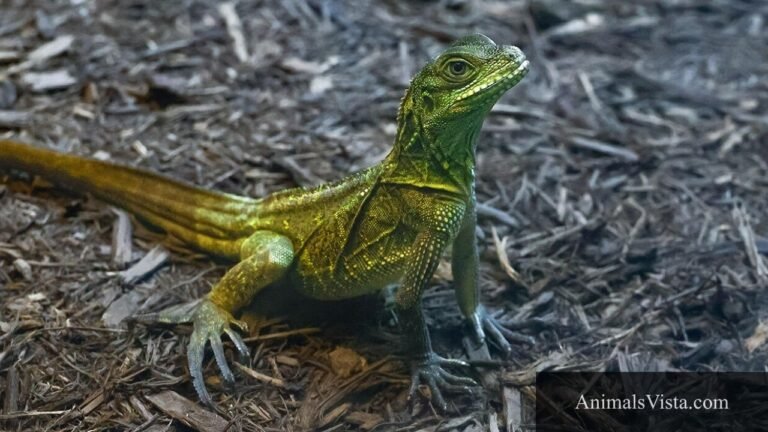
Long-Tailed Grass Lizard
Scientific Name: Takydromus sexlineatus
Class: Reptilia
Diet: Carnivore
The Long-Tailed Grass Lizard, a remarkable example of evolutionary adaptation, showcases how nature often prioritizes function over form. With tails that can extend nearly twice their body length, these lizards utilize their elongated appendages for balance and maneuverability, enabling them to deftly navigate through dense grasslands and leaf litter. This unique adaptation not only aids in their agility but may also serve as a distraction technique against predators, offering a flickering target that can confuse and allow the lizard to escape.
These lizards exhibit a fascinating coloration that harmonizes perfectly with their grassy habitats, providing them with excellent camouflage. This natural cloak prevents detection not just from predators but also enhances their stealth while stalking unsuspecting prey, such as insects and small invertebrates. Observing the Long-Tailed Grass Lizard in its natural environment offers a glimpse into the intricate web of life, where even the smallest adaptations can significantly influence survival strategies. As we continue to study these creatures, we uncover the intricacies of their behaviors, further revealing the delicate balance of their ecosystems.
Ring-Tailed Coatis
Scientific Name: Nasua nasua
Class: Mammalia
Diet: Omnivore
Ring-tailed coatis are remarkable not just for their striking, elongated tails but also for their unique social structure and behaviors. These endearing creatures, native to Central and South America, use their tails as multifunctional tools — balancing aids during acrobatic climbs and communication devices within their tight-knit groups. A coati’s tail can soar up to two-thirds of its body length, facilitating elaborate gestures that help convey signals among members of their family units.

Beyond their notable tails, coatis possess an inquisitive nature that sets them apart in the animal kingdom. They exhibit highly social behavior, often foraging in groups called bands, which can consist of multiple females and their young, while adult males typically wander solo. Their playful antics, such as tail-wagging and climbing skills, endear them to wildlife enthusiasts and serve as essential bonding rituals in their communities. This social dynamic, combined with their tail acrobatics, creates a vibrant and captivating presence in the wild, showcasing a blend of functionality and charm that makes ring-tailed coatis extraordinary inhabitants of their ecosystems.
Ring-Tailed Lemur
Scientific Name: Lemur catta
Class: Mammalia
Diet: Omnivore
The ring-tailed lemur, with its iconic black-and-white striped tail, is a fascinating example of how form and function intertwine in the animal kingdom. These playful primates use their tails not just for balance while leaping through the treetops, but also as a social tool. In a world where communication is key, the lemur’s tail acts as a flag, helping to convey emotions and intentions among group members. As they stroll in their characteristic “tail-waving” gait, they create a mesmerizing spectacle that reinforces social bonds and alerts others to their presence.
Ring-tailed lemurs have a complex social structure that is equally captivating. Living in matriarchal troops, these lemurs exhibit intricate social behaviors, with females often leading the way in foraging and decision-making. Their tail, while a visual marvel, plays a significant role in maintaining cohesion within the troop, guiding members through dense forests and ensuring everyone is in sync during their daily activities. This unique blend of beauty and functionality makes the ring-tailed lemur not only a subject of scientific interest but also a symbol of the rich biodiversity found in Madagascar, reminding us of the delicate balance within our ecosystems.
Jerboas
Scientific Name: Dipodidae
Class: Mammalia
Diet: Omnivore
Jerboas, with their elongated tails stretching nearly as long as their bodies, are true marvels of adaptation. These small, hopping rodents have evolved in the arid deserts of North Africa and Asia, where their tails play a crucial role beyond mere balance. When they leap, their tails act as a counterbalance, allowing them to make swift and agile movements, navigating treacherous sandy terrain with surprising grace. This remarkable design not only aids in their unique locomotion but also serves as a communication tool, with the tail conveying signals to other jerboas during interactions.

The jerboa’s long tail also contributes to its thermoregulation. Since they inhabit scorching environments, having a longer tail helps dissipate heat, providing relief during the day when temperatures soar. Their social behavior, often overlooked, showcases how these elongated features facilitate group dynamics; jerboas can use their tails to signal danger to one another, enhancing their chances of survival in the wild. Observing these fascinating creatures encourages a deeper appreciation for the intricate ways in which nature crafts adaptation, each unique feature telling a story of survival and ingenuity.
Snow Leopard
Scientific Name: Panthera uncia
Class: Mammalia
Diet: Carnivore
The snow leopard, a majestic inhabitant of the mountain ranges across Central and South Asia, boasts a long, thick tail that can measure up to three feet in length. This tail is not just an appendage; it serves a vital purpose in the snow leopard’s life. Acting as a counterbalance, it aids these agile hunters in navigating steep, rocky terrains, allowing for fluid leaps and swift changes in direction when pursuing their prey. During frigid nights high in the mountains, the tail can even be wrapped around the body for extra warmth, functioning almost like a natural blanket against the cold.
The length of the snow leopard’s tail is also thought to play a role in communication. When the leopards are in less than favorable conditions or need to signal one another across vast expanses, they can use their long tails to convey subtle movements. This tactile language supports their social structures while facilitating hunting and territory marking. Furthermore, with climate change threatening their habitats, these adept survivors remind us of the intricate connections between their physical adaptations and the ecosystems they inhabit. Each long tail is not just an evolutionary tool but also a symbol of resilience adapting to a shifting world.
Giant Anteater
Scientific Name: Myrmecophaga tridactyla
Class: Mammalia
Diet: Insectivore
The giant anteater, with its remarkable tail stretching up to three feet, embodies a unique form of adaptation in the animal kingdom. This appendage serves multiple purposes, from maintaining balance as it forages for ants and termites to functioning as a communicative tool. When threatened, the anteater can raise its tail to appear larger and more intimidating, showcasing how this seemingly simple feature plays a critical role in survival.

Beyond its physical utility, the tail also has a social dimension. Anteaters often utilize their tails to express their emotional state, whether it’s during mating displays or signaling distress to fellow anteaters. The giant anteater’s keen sense of smell directs it to its food, but it’s the tail that completes its silhouette against the landscape, offering both camouflage and elegance in its native grasslands. Observing this magnificent creature in its natural habitat reveals how it harmonizes function and form, proving that evolution crafts unmatched strategies to thrive in a diverse environment.
Pangolin
Scientific Name: Pholidota
Class: Mammalia
Diet: Insectivore
The pangolin showcases an extraordinary long tail that adds to its unique charm. This tail is not just for show; it plays a crucial role in the pangolin’s survival. Capable of reaching lengths that can sometimes exceed the body, the tail aids in balance, especially as these creatures scale trees or maneuver through dense underbrush. This adaptation allows pangolins to reach their primary food source — ants and termites — by skillfully navigating their habitats.
The pangolin’s long tail has a fascinating secondary function: it can act as a defense mechanism. When threatened, a pangolin can curl into a tight ball, using its scales and its tail to shield its vulnerable underbelly from predators. This unique posture, combined with its tough armor, creates an effective barrier against threats. The pangolin’s long tail, therefore, is not merely an anatomical feature but a pivotal tool in its arsenal for survival, showcasing a remarkable blend of evolution and ingenuity in the animal kingdom.
Cheetah
Scientific Name: Acinonyx jubatus
Class: Mammalia
Diet: Carnivore
The cheetah’s long tail is not merely a stunning physical feature; it serves a vital role in the cat’s exceptional agility and speed. As the fastest land animal, reaching bursts of up to 60 miles per hour, the cheetah relies on its tail as a counterbalance. During high-speed chases, the tail acts like a steering wheel, allowing the cheetah to make sharp turns and navigate its environment with astonishing precision.

This sleek appendage plays a crucial role in communication. When hunting or interacting with other cheetahs, tail movements convey emotions and intentions, helping maintain social bonds. The tail’s significance extends beyond practicality; it symbolizes the elegance and efficiency of the cheetah’s evolutionary design, reminding us of how nature optimizes form for function. In understanding this unique trait, we appreciate not only the physical prowess of the cheetah but also the intricate ways in which animals adapt to their habitats.
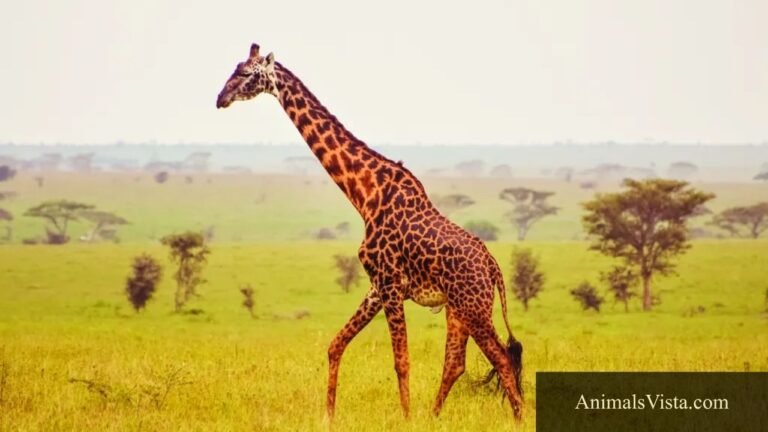
Giraffe
Scientific Name: Giraffa camelopardalis
Class: Mammalia
Diet: Herbivore
The giraffe’s tail, though seemingly simple, plays several pivotal roles in its daily life. Stretching about three feet long, the tail serves as a powerful defense mechanism against pesky pests like flies and other insects. With a quick flick, a giraffe can swat away these nuisances, ensuring its health and comfort as it grazes on foliage high above the ground. This adaptability showcases how even the most seemingly minor features can significantly impact an animal’s survival.
The tail contributes to the giraffe’s intricate social interactions. While communicating largely through body language and vocalizations, the subtle movements of a giraffe’s tail can indicate everything from excitement to agitation. Observing these movements can offer insights into their hierarchical structures and social bonds, revealing a layer of complexity in their relationships that might be overlooked. In the grand tapestry of the savannah, the giraffe’s tail is not just a physical trait but a fascinating tool woven into its very essence.
Red Fox
Scientific Name: Vulpes vulpes
Class: Mammalia
Diet: Omnivore
The red fox, with its signature bushy tail, showcases not just beauty but also remarkable functionality. This appendage, often measuring nearly as long as its body, serves multiple purposes beyond the aesthetic. When hunting, the red fox uses its tail for balance, especially during agile pursuits through dense underbrush or snowy terrain. The tail can also act as a signal to other foxes, conveying social cues or alerting them to potential dangers, thus playing a crucial role in their communicative behaviors.

In colder climates, the red fox wraps its tail around itself while sleeping, providing warmth and protection against the elements. This clever adaptation enhances its survival in harsh conditions, highlighting the tail’s role in thermal regulation as much as in agility. Moreover, the tail’s striking coloration, a vivid splash of orange with a distinctive white tip, aids in camouflage. As red foxes traverse their various habitats — from urban environments to rural fields — their long tails are an essential part of their identity, weaving a tale of form and function in the wild.
Angola Colobus
Scientific Name: Colobus angolensis
Class: Mammalia
Diet: Herbivore
The Angola Colobus, with its strikingly long tail, is not just a visual marvel but an essential aspect of its survival. These tails can extend up to three feet, making them perfect for balance as these primates navigate the treetops of their native West African forests. Each swing through the canopy becomes a dance, a testament to their agility and acrobatic prowess. Unlike some of their relatives, Angola Colobus are primarily leaf-eaters, relying on their tails to balance while they precariously perch on slender branches to reach their favorite foliage.
Beyond their physical adaptations, the Angola Colobus also showcases intriguing social behaviors. Living in troops led by a dominant male, these monkeys communicate with a series of vocalizations that reflect their complex social structure. Their long tails play a role in these interactions too, often joining in the communicative display as they frolic and engage in social grooming. This deep social bond, paired with their striking appearance, highlights the fascinating connection between physical traits and behavioral adaptations in the wild. Observing these graceful creatures offers a glimpse into the intricate tapestry of life in the forest, reminding us of the delicate balance of nature.
Tree Kangaroo
Scientific Name: Dendrolagus
Class: Mammalia
Diet: Herbivore
Tree kangaroos, with their elongated tails, are fascinating creatures uniquely adapted to life in the treetops of New Guinea and surrounding islands. Unlike their ground-dwelling relatives, these marsupials utilize their tails for balance and agility as they navigate the forest canopy. The long, prehensile tail acts almost like a fifth limb, providing stability during jumps and helping them grip branches while foraging for leaves, fruits, and flowers.

What’s truly captivating about tree kangaroos is their remarkable evolutionary journey. Adapted to an arboreal lifestyle, they have evolved to possess strong limbs and flexible joints, enabling them to traverse the heights with surprising ease. Their vibrant fur patterns not only add aesthetic appeal but also serve as effective camouflage against predators lurking below. As we explore their ecological significance, tree kangaroos highlight the delicate balance of their rainforest habitat, serving as both prey and predators, and playing a crucial role in the seed dispersal of various plant species.
Green Iguana
Scientific Name: Iguana iguana
Class: Reptilia
Diet: Herbivore
The green iguana, with its remarkable long tail, is not just a visual spectacle but a marvel of evolutionary adaptation. This tail, often reaching lengths that exceed the body itself, serves multiple purposes beyond simply aiding in balance while these lizards navigate their arboreal habitats. One of the most fascinating aspects is how the tail can act as a defense mechanism. When threatened, a green iguana can drop its tail, allowing it to escape while the detached tail continues to wriggle — an effective distraction for predators.
The tail plays a vital role in communication among these reptiles. Through various movements and postures, a green iguana can convey mood and intent to others of its species. In social interactions, the way they flick or elevate their tails can signify dominance or submission, weaving a complex tapestry of behavioral signals that enrich their social dynamics. This multifaceted use of the tail not only enhances survival but also highlights the intelligence and adaptability of the green iguana in its natural environment.
Black-And-White Ruffed Lemur
Scientific Name: Varecia variegata
Class: Mammalia
Diet: Herbivore
The Black-and-White Ruffed Lemur, native to the lush rainforests of Madagascar, boasts a long, luxurious tail that serves more than just an eye-catching feature. This remarkable appendage plays a critical role in communication and balance, allowing these primates to navigate their arboreal habitats with agility and grace. When perched high in the trees, their tails unfurl like banners, signaling to fellow lemurs and reinforcing social bonds within their groups.

But it’s not just about aesthetics; the tail is a practical tool that enhances their impressive leaping abilities. As they swing from branch to branch, the elongated tail acts like a rudder, helping them make those daring jumps that would otherwise seem impossible. These lemurs are more than curious creatures; they are vital components of the rainforest ecosystem, dispersing seeds and fruits as they travel, promoting biodiversity in their fragile home. In a world increasingly threatened by habitat loss, the allure of the Black-and-White Ruffed Lemur serves as a poignant reminder of the intricate web of life that we must strive to protect.
Read More: Explore Top 19 Most Muscular Animals in the World.
Final Words
Animals with long tails exhibit an array of adaptations that enhance their survival and functionality within diverse ecosystems. From aiding in balance to facilitating communication, these appendages are crucial to their daily lives. The fascinating roles that long tails play in the natural world remind us of the intricate connections between anatomy and behavior. As we continue to explore these remarkable creatures, we gain deeper insights into the evolutionary processes that shape life on Earth. Let us appreciate and protect the habitats of these animals, ensuring their survival for generations to come.
FAQs
What animal has the longest tail?
The animal with the longest tail is the Asian Manta Ray. Its tail can measure up to 3 meters (about 10 feet) long, which is quite impressive considering the manta’s overall size. This tail is not just for balance; it plays a role in navigation and even in communication with other mantas. Another contender is the Common Squirrel Monkey, which has a tail that can reach almost the same length as its body, around 60 centimeters (about 24 inches).
Is a monkey a long-tailed animal?
Yes, many monkeys are long-tailed animals, but it depends on the species. For example, macaques, capuchins, and spider monkeys typically have long tails that help them balance while navigating through trees. These tails are crucial for their arboreal lifestyle.