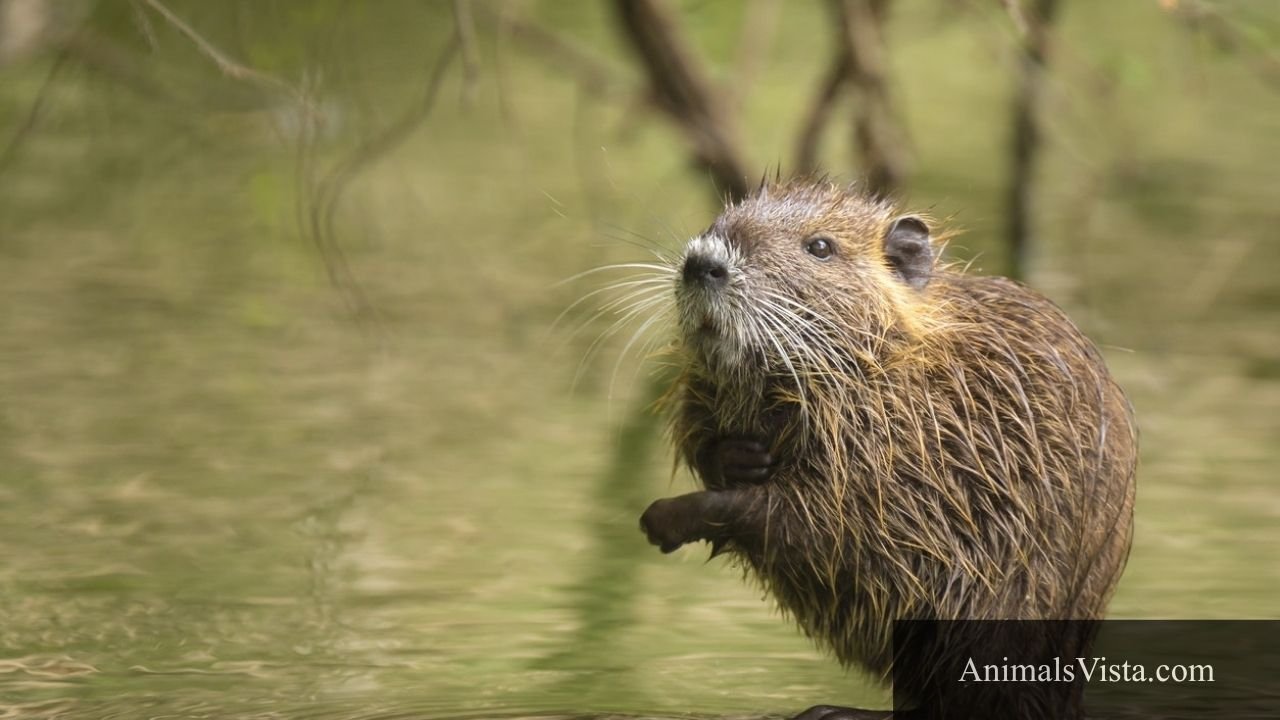
Top 13 Animals Like Groundhogs (With Images)
Groundhogs showcase remarkable adaptations that often go unnoticed in the animal kingdom. This article uncovers animals like groundhogs that exhibit similar traits, from burrowing techniques to survival strategies. Understanding these animals enhances our appreciation of nature’s diversity and the vital roles these species play in their habitats. Join us as we explore this captivating world and discover what makes these animals stand out.
List of Animals Like Groundhogs:
Below is the list of animals like groundhogs:
- Voles
- Rock Hyrax
- Chipmunks
- Muskrat
- Prairie Dogs
- Marmot
- Rabbits
- Beavers
- Badgers
- Squirrels
- Capybaras
- Gophers
- Pika
Voles
Scientific Name: Microtus arvalis
Class: Mammalia
Diet: Herbivore
Voles, often overshadowed by their more famous relatives like groundhogs, are fascinating in their own right. These small, burrowing rodents thrive in meadows and grasslands, where their complex tunnel systems rival those of prairie dogs. Unlike groundhogs, which are often solitary, voles are social creatures, living in colonies that can number in the dozens. This communal lifestyle not only aids in their survival but also creates a vibrant ecosystem for other animals that rely on voles as a food source.
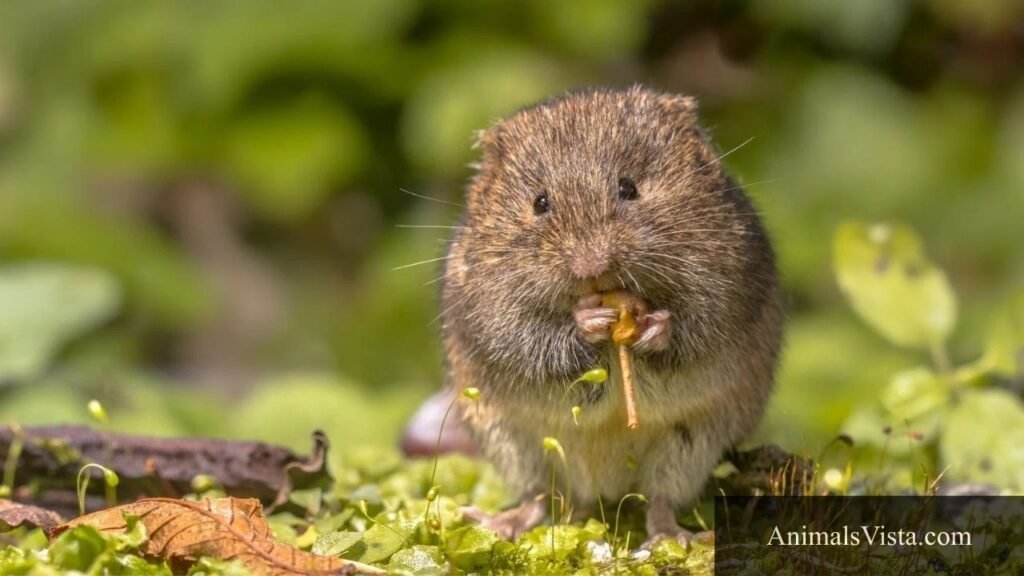
Interestingly, voles play an essential role in soil health. As they forage and dig, they aerate the earth, allowing water and nutrients to penetrate more effectively. Their feeding habits also promote plant diversity, as they’re known to consume various grasses and root systems. This interplay offers a unique perspective on how even the smallest creatures can significantly impact their environment, transforming grasslands into dynamic habitats teeming with life. So the next time you spot a mound of dirt in your yard, consider the bustling community of voles beneath the surface, quietly shaping the world around them.
Rock Hyrax
Scientific Name: Procavia capensis
Class: Mammalia
Diet: Herbivore
Rock hyraxes are fascinating creatures that resemble large rodents but are actually more closely related to elephants and manatees. Found predominantly in Africa and the Middle East, these small, herbivorous mammals thrive in rocky terrains where they form colonies. With their thick fur and stout bodies, they have adapted to their environment by using crevices for shelter, which provides protection from predators.
What sets rock hyraxes apart is their social structure; they live in tight-knit groups that communicate through a series of vocalizations, from chirps to growls. This social behavior not only enhances their survival but also nurtures strong bonds within their communities, showcasing their intricate social dynamics. Surprisingly, they can also regulate their body temperature, an adaptation that allows them to thrive in both hot afternoons and cooler nights. Their unique evolutionary path, alongside their quirky lifestyle, makes rock hyraxes a captivating study in the diversity of animal life.
Chipmunks
Scientific Name: Tamias striatus
Class: Mammalia
Diet: Omnivore
Chipmunks, much like their larger cousins the groundhogs, are expert foragers and delightful acrobats of the forest floor. These pint-sized rodents not only add charm to gardens and parks, but they also play an essential role in their ecosystems. With their cheek pouches capable of storing food, chipmunks are nature’s little gardeners, helping to disperse seeds and promoting plant diversity. Observing a chipmunk darting from burrow to burrow, cheeks bulging with acorns or seeds, can evoke a sense of curiosity about the life beneath our feet.
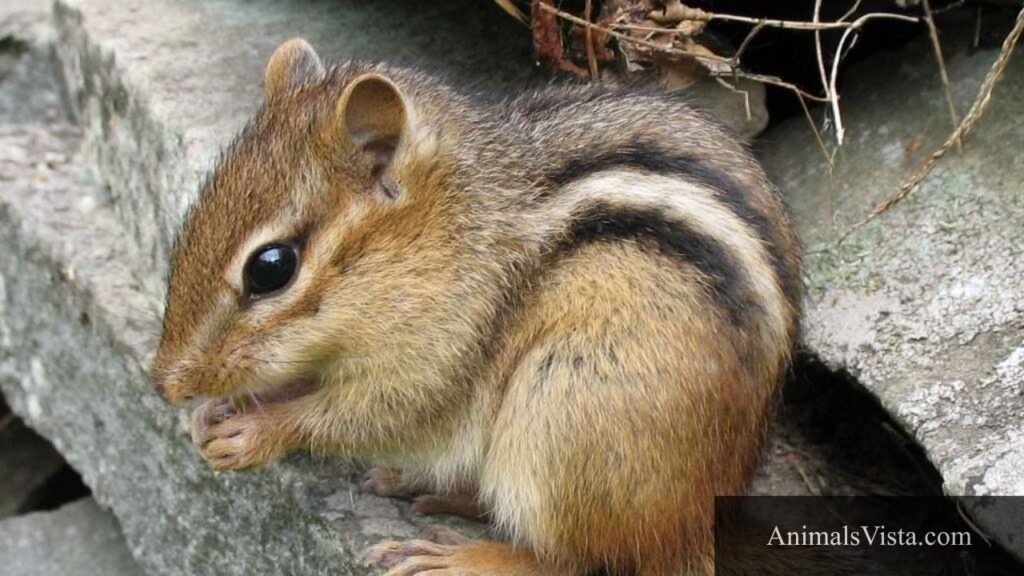
What sets chipmunks apart is their vibrant personality; they are not just busy foragers but also social creatures that communicate through a variety of chirps and chattering sounds. This vocalization not only strengthens their social bonds but also serves as a warning system against potential threats. Their adaptability to urban environments showcases their resilience, as they skillfully navigate between human dwellings and natural habitats. Watching them scurry with such confidence reminds us that even the smallest creatures play significant roles in maintaining the balance of our ecosystems.
Read More: Explore Top 15 Animals Like Ferrets
Muskrat
Scientific Name: Ondatra zibethicus
Class: Mammalia
Diet: Omnivore
Muskrats, much like their distant relative the groundhog, are fascinating creatures that thrive in wetland environments. These semi-aquatic mammals are known for their unique adaptations, such as their waterproof fur and webbed feet, which allow them to navigate both land and water with ease. Unlike groundhogs, which primarily burrow in the ground, muskrats create complex systems of lodges and tunnels in marshlands, demonstrating a remarkable ability to shape their habitats.
What sets muskrats apart is their diet, which primarily consists of aquatic vegetation, such as cattails and water lilies. This herbivorous lifestyle not only influences their health but also plays a role in maintaining the balance of wetland ecosystems. By consuming vast amounts of plant material, muskrats help prevent overgrowth and promote biodiversity, making them crucial assistants in their natural environment. Observing these intriguing animals can offer insights into the delicate interconnections that sustain ecosystems, revealing how every species, whether furry or scaly, plays a role in the grand tapestry of nature.
Prairie Dogs
Scientific Name: Cynomys ludovicianus
Class: Mammalia
Diet: Herbivore
Prairie dogs, much like their cousin the groundhog, are social creatures that thrive in tight-knit communities called colonies or towns. These bustling towns can stretch across vast landscapes, with individuals communicating through an intricate system of vocalizations that conveys everything from the presence of predators to changes in foraging opportunities. Their chirps, barks, and whistles carry a sophisticated meaning, revealing a level of intelligence and social interaction that invites deeper appreciation.
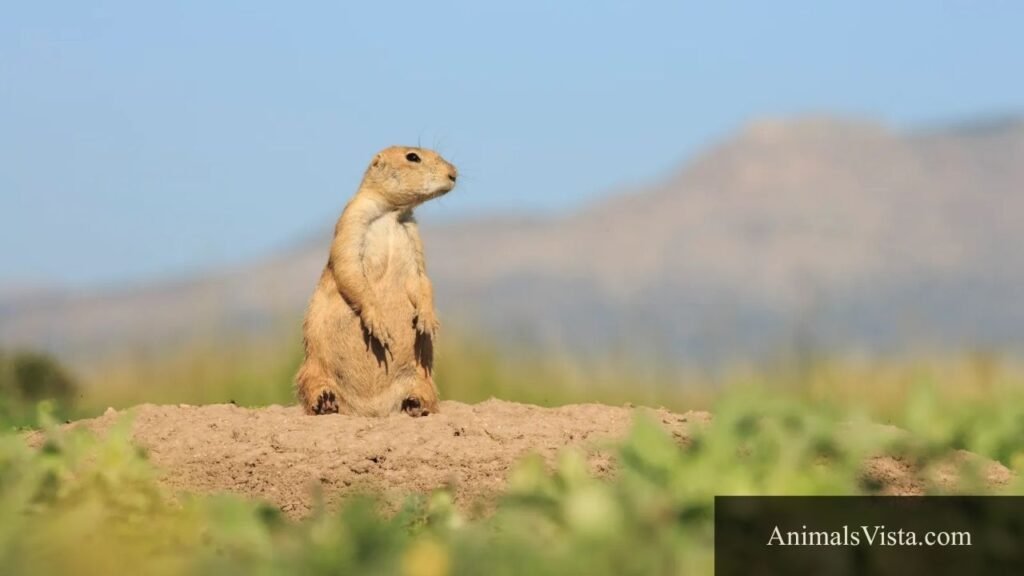
Unlike groundhogs, who are primarily solitary for most of the year, prairie dogs exhibit a remarkable level of cooperation within their communities. They actively engage in sentinel behavior, where one member stands guard to alert others to incoming threats. This mutual vigilance not only enhances their survival but also fosters strong social bonds. In a surprising display of empathy, prairie dogs have been observed engaging in “kissing” behaviors, a unique way of reaffirming their connections after separation — an insight into their rich emotional lives that often goes unnoticed in the wild.
Marmot
Scientific Name: Marmota marmota
Class: Mammalia
Diet: Herbivore
Marmots are fascinating creatures that share many traits with groundhogs, yet each species offers unique insights into ecological balance. Found in mountainous regions across North America and Europe, marmots are social animals, often living in colonies that can consist of several family groups. Their underground burrows serve not just as shelters but as bustling communities where they communicate through a series of whistles and chirps, effectively warning each other of predators. This intricate social structure showcases the importance of cooperation for survival, revealing a side of wildlife that often goes unnoticed.
Unlike groundhogs, which are often considered solitary, marmots exhibit communal behavior that includes shared foraging and synchronized sunbathing. Watching a group of marmots basking together on a sunny rock provides a glimpse into their playful interactions — chasing each other and engaging in grooming rituals. This group dynamic enhances their survival strategy, allowing them to keep a keen watch for dangers while also benefiting from each other’s warmth during cooler days. Through these behaviors, marmots challenge our perception of wildlife as mere individuals, illustrating the compelling social networks that can form among species in the wild.
Rabbits
Scientific Name: Oryctolagus cuniculus
Class: Mammalia
Diet: Herbivore
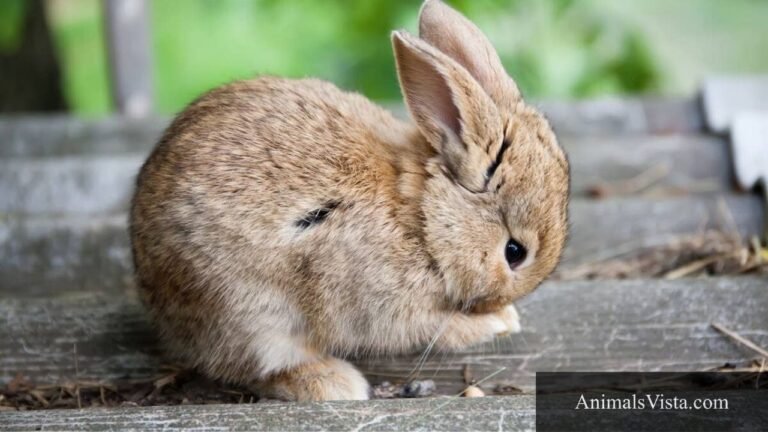
Rabbits, much like their burrowing counterparts, groundhogs, are fascinating creatures that play vital roles in their ecosystems. These nimble herbivores are adept at creating intricate networks of trails in their habitats, significantly impacting vegetation growth and soil health. Unlike groundhogs, which tend to be solitary, rabbits thrive in social structures, often found in large groups that communicate through a complex array of body language and sounds. This social behavior not only enhances their survival against predators but also underscores an intricate understanding of their environment.
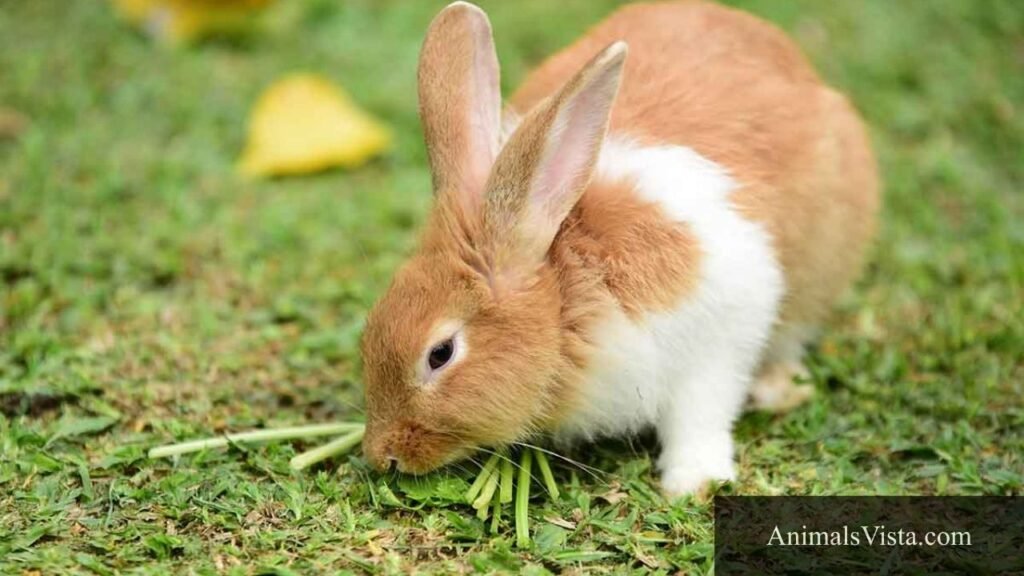
One of the most striking similarities between rabbits and groundhogs is their remarkable adaptability. Both species display extraordinary agility and speed, enabling them to quickly escape threats. However, rabbits take adaptation a step further with their unique reproductive strategies. In optimal conditions, a single female rabbit can produce dozens of offspring in a year, which creates a dynamic balance in their ecosystems. This rapid population growth keeps their numbers in check against predators while also ensuring that they fulfill their ecological role as vital food sources for various wildlife. By witnessing their behavior and impact on their environments, we can gain a deeper appreciation for the interconnectedness of these remarkable animals and the ecosystems they inhabit.
Beavers
Scientific Name: Castor fiber
Class: Mammalia
Diet: Herbivore
Beavers are fascinating architects of the animal kingdom, shaping their environment in remarkable ways. While groundhogs dig extensive burrows for shelter and hibernation, beavers construct intricate dams and lodges that transform whole ecosystems. Their labor not only creates tranquil ponds, which serve as a refuge for diverse wildlife, but it also plays a critical role in water management and flood control. As nature’s engineers, beavers facilitate the growth of lush wetlands, promoting biodiversity that benefits countless species.
What’s particularly refreshing about beavers is their unparalleled adaptability. These semi-aquatic mammals have remarkable teeth that are continuously growing, allowing them to gnaw through tough bark and timber with ease. This unique feature highlights their role as ecosystem enhancers, as they influence the type of vegetation in a given area through selective foraging. Moreover, their resilience in the face of environmental changes reveals a profound story of survival and balance; beavers can relocate and rebuild their habitats in response to seasonal shifts, ensuring their impact endures. Thus, while both groundhogs and beavers are tied to the land, the beaver’s transformative touch resonates far beyond its immediate surroundings, making it a cornerstone of ecological health.
Badgers
Scientific Name: Meles meles
Class: Mammalia
Diet: Omnivore
Badgers, like groundhogs, are fascinating burrowing animals that play a crucial role in their ecosystems. Known for their sturdy build and distinctive facial markings, these nocturnal creatures exhibit a social structure that often involves living in large family groups called clans. These clans dig extensive tunnel systems, creating a network of underground homes that not only provide shelter but also serve as crucial habitats for various other species, enhancing biodiversity.
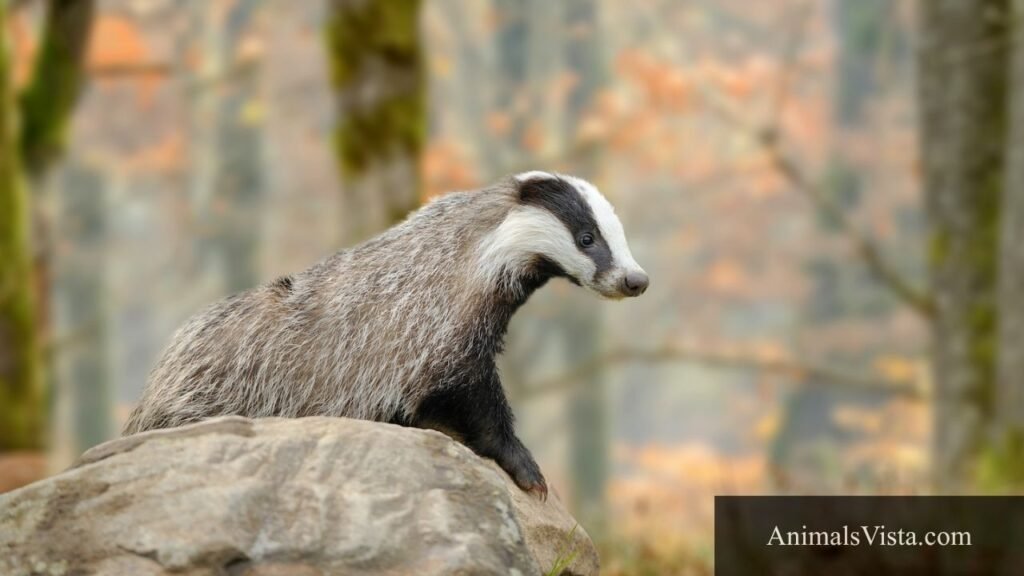
While both groundhogs and badgers are adept diggers, badgers exhibit a more aggressive foraging style. They possess powerful claws and a keen sense of smell, allowing them to hunt down small mammals, insects, and even reptiles buried beneath the earth. Their diet and foraging methods not only showcase their adaptability but also highlight their role as ecosystem engineers, aerating the soil and controlling pest populations. Observing these industrious creatures in their natural habitat reveals a complex interplay of behaviors and survival strategies that underscore the beauty of nature’s interconnectedness.
Squirrels
Scientific Name: Sciurus vulgaris
Class: Mammalia
Diet: Omnivore
Squirrels, like groundhogs, are masters of adaptation and resourcefulness, thriving in a variety of environments — from bustling urban parks to serene woodlands. Their acrobatic abilities and sharp claws allow them to navigate the treetops with remarkable agility, turning even the most mundane park visit into a display of nature’s nimbleness. With a keen sense of awareness, squirrels are not only adept foragers but also skilled communicators, using their tails to convey messages and warning signals to each other, a testament to their sophisticated social structures.
Interestingly, squirrels, particularly the gray and red varieties, exhibit behaviors that mirror those of groundhogs in preparation for seasonal changes. As winter approaches, they showcase a remarkable instinct for hoarding, burying nuts and seeds that will sustain them when food becomes scarce. This meticulous planning reveals an intelligence that goes beyond mere survival; it invites us to consider the delicate balance of ecosystems where each creature plays a vital role. Observing these lively and often mischievous animals provides a glimpse into nature’s intricate web, reminding us to appreciate the incredible diversity and ingenuity of wildlife right in our own backyards.
Capybaras
Scientific Name: Hydrochoerus hydrochaeris
Class: Mammalia
Diet: Herbivore
Capybaras, the world’s largest rodents, are often compared to groundhogs due to their shared habitat and adorable, stocky build. Unlike groundhogs, which are solitary and often shy, capybaras are social creatures that thrive in groups. They can be found lounging by water bodies in South America, where their semi-aquatic lifestyle allows them to enjoy a cool dip when the heat rises. Their playful nature and unique friendships with various animal species — from monkeys to birds — showcase a level of social interaction rarely seen in the animal kingdom.
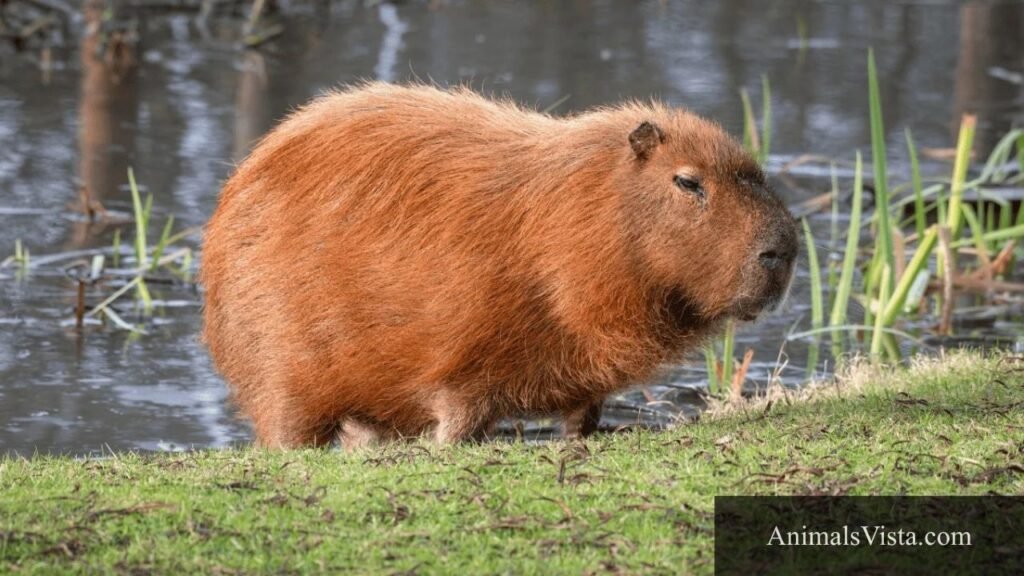
These gentle giants also hold a crucial position in their ecosystem. By grazing on grasses and aquatic plants, capybaras help maintain plant populations while their presence attracts a multitude of birds and other wildlife seeking companionship or nourishment. Interestingly, they have a remarkable adaptation: their skin produces natural oils that not only repel water but also provide an extra layer of protection against sunburn, making their relaxed poolside lifestyle even more impressive. Such adaptations highlight the ingenious ways in which capybaras navigate their environments, offering a refreshing reminder of the interconnectedness of life in the animal world.
Gophers
Scientific Name: Geomys bursarius
Class: Mammalia
Diet: Herbivore
Gophers, much like their more famous cousins the groundhogs, are fascinating burrowers that play a crucial role in their ecosystems. While groundhogs are often celebrated for their weather-forecasting abilities on Groundhog Day, gophers quietly contribute to soil health and aeration. By tunneling through the earth, these rodents facilitate water drainage and nutrient distribution, creating a more robust habitat for plants and other wildlife. Yet, their underground work often goes unnoticed, overshadowed by the more visible burrows of groundhogs.
These little critters exhibit a unique social structure that varies by species. Some gopher species are solitary, while others thrive in family groups, demonstrating complex communication through a range of vocalizations and scent markings. One of the striking aspects of gophers is their incredible ability to adapt to different environments, from dry grasslands to lush farms, showcasing their resilience and tenacity. Understanding the role of gophers can help us appreciate the intricate connections within our ecosystems — reminders that even the smallest animals can have a significant impact on the health of our natural world.
Pika
Scientific Name: Ochotona princeps
Class: Mammalia
Diet: Herbivore
Pikas, small relatives of rabbits, are charming creatures that inhabit the rocky slopes of mountain ranges in North America and parts of Asia. Unlike groundhogs, which prefer open fields, pikas thrive in cooler, high-altitude environments, often making their homes in crevices and boulder fields. Their vibrant, rounded bodies and little ears add an undeniable cuteness factor, but it’s their behaviors that truly captivate. Pikas are known for their incredible vocalizations, which serve to communicate warnings to each other about potential predators lurking nearby.
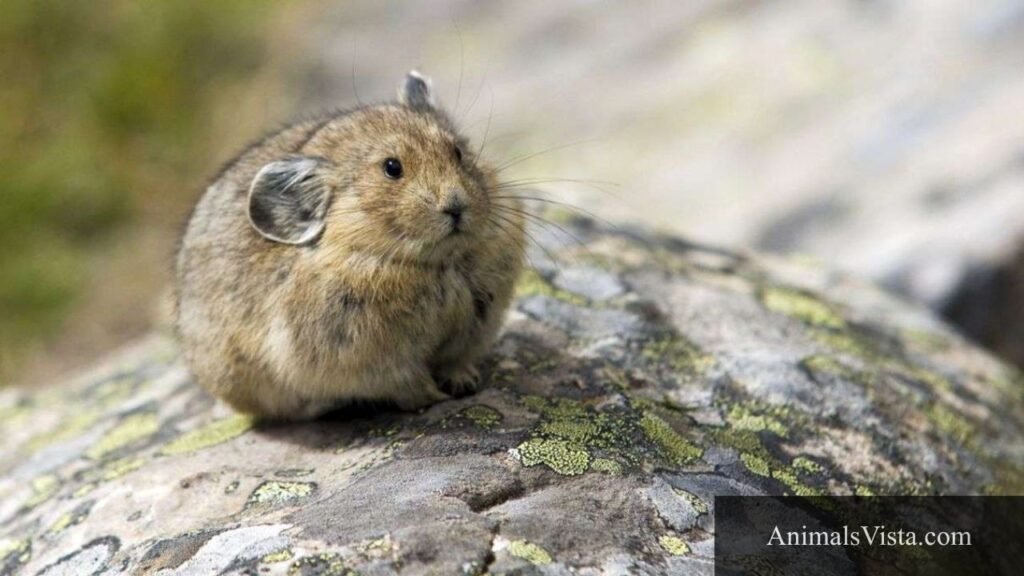
Despite their small size, pikas play a crucial role in their ecosystem as herbivores that help control plant growth. In the summer months, these industrious little creatures gather and store vegetation in their “haypiles” to sustain them through the harsh winter, a behavior that highlights their resilience and adaptability. However, climate change poses a significant threat to their survival, as rising temperatures force them to relocate to higher, cooler altitudes. This shift not only disrupts their feeding patterns but also impacts the balance of the alpine ecosystems they help sustain, showcasing how interconnected our world truly is. Observing pikas in their natural habitat offers a unique glimpse into the dynamics of life in some of Earth’s most fragile environments.
Read More: Explore Top 15 Snakes with Triangular Heads
Final Thoughts
While groundhogs are unique in their behavior and ecological role, several other animals share similar traits and lifestyles. Beavers, prairie dogs, and even certain species of marmots exhibit comparable burrowing habits and social structures. Understanding these similarities not only enriches our appreciation of these creatures but also highlights the interconnectedness of various species within their ecosystems. As we explore the fascinating world of wildlife, let’s take a moment to consider how each animal contributes to the balance of nature. Engage with your local wildlife and learn more about these remarkable creatures to foster a deeper connection with the environment.
FAQs
What is similar to groundhogs?
Groundhogs share similarities with other rodents such as prairie dogs and marmots. Like groundhogs, these animals are burrowing creatures that inhabit open landscapes and showcase social structures. Both these animals are known for their vocalizations and living in colonies, which adds a layer of community behavior not often seen in solitary rodents. Additionally, animals like beavers and capybaras share some traits with groundhogs. They are all rodents, have similar social structures, and often live in colonies.