
Top 13 Animals That Sleep The Most (With Images)
In a world where we often prioritize productivity, it’s fascinating to explore the creatures that have mastered the art of rest. This article will delve into the animals that sleep the most, revealing their unique sleep habits and the reasons behind their extensive snoozing. By the end, you’ll gain a deeper understanding of how sleep impacts survival and evolution across different species.
List of Animals That Sleep The Most:
Below is the list of animals that sleep the most:
- Sloth
- Tree Shrew
- Brown Bat
- Giant Armadillo
- Owl Monkey
- North American Opossum
- Cat
- Koala
- Tiger
- Python
- European Hedgehog
- Lion
- Squirrel
Sloth
Scientific Name: Choloepus didactylus
Class: Mammalia
Diet: Herbivore
Sloths spend an astonishing 15 to 20 hours of their day snoozing away, making them one of the sleepiest animals on the planet. This extensive sleep cycle isn’t just a quirk of their nature; it serves a critical purpose in the dense rainforests where they reside. By remaining inactive for most of the day, sloths conserve energy, which is essential given their slow metabolism. Their diet of leaves, which is low in calories and nutrient-dense, necessitates this extended rest.

Sloths don’t just sleep endlessly; their unique sleep patterns are interspersed with periods of wakefulness that are equally fascinating. During these brief awake moments, sloths engage in slow, deliberate movements — usually to forage for food or to find a mate. Their ability to camouflage themselves among tree canopies aids their survival, allowing them to avoid predators even while they rest. This elegant blend of lethargy and strategy showcases nature’s myriad approaches to survival, challenging our perceptions of productivity in the animal kingdom.
Tree Shrew
Scientific Name: Tupaia glis
Class: Mammalia
Diet: Omnivore
The tree shrew boasts one of the most remarkable sleep habits in the animal kingdom. These tiny creatures can slumber for an astonishing 14 to 15 hours a day, primarily to conserve energy due to their high metabolism. This seemingly excessive napping is not just a quirky trait; it reflects their evolutionary adaptations to survive in the dense canopies of Southeast Asian rainforests, where food sources can be sporadic.
The tree shrew’s sleep cycle isn’t just about restorative rest; it plays a crucial role in their social interactions and foraging efficiency. By sleeping more during the day when predators are active, they can remain alert during the twilight hours when foraging for insects and fruits is safer and more fruitful. This strategic sleep behavior highlights a fascinating interplay between lifestyle and environment, encouraging us to rethink the relationship between rest and survival in the animal world. It’s a vivid reminder that in nature, sometimes the most unassuming creatures hold the secrets to resilience.
Brown Bat
Scientific Name: Eptesicus fuscus
Class: Mammalia
Diet: Carnivore
The brown bat is a fascinating creature, renowned for its remarkable sleep patterns. These tiny mammals can slumber for an astonishing 20 hours a day! This extensive sleep is not just a quirk of their nature; it plays a critical role in their survival. By resting for such prolonged periods, brown bats conserve energy, enabling them to thrive in environments where food can be scarce or competition is fierce.

What sets brown bats apart is not just the quantity of sleep, but the quality. While they appear inactive, their minds are still at work, even in deep slumber. Recent studies suggest that bats might engage in brain activity reminiscent of dreaming, potentially aiding memory and navigation skills critical for their nightly foraging. This synergy of sleep and cognitive function underscores a remarkable evolutionary adaptation, making these seemingly lethargic creatures dynamic players within their ecosystems.
Read More: Explore Top 11 Animals With Shells
Giant Armadillo
Scientific Name: Priodontes maximus
Class: Mammalia
Diet: Carnivore
The giant armadillo, a remarkable creature native to the grasslands and open forests of South America, holds the title of one of the sleepiest mammals on the planet. These fascinating animals can snooze away for over 18 hours a day, a behavior closely tied to their nocturnal lifestyle. While many might assume long sleep equates to a lack of activity, for the giant armadillo, it’s a survival strategy, conserving energy for their nighttime foraging.
What sets the giant armadillo apart is not just the duration of their slumber but how they utilize this time to enhance their unique adaptations. Their deep sleep allows for recovery and maintenance of robust immune functions, vital for coping with the various parasites and threats they encounter in the wild. Moreover, they possess the ability to slow their metabolism significantly, a phenomenon that aids in both energy conservation and temperature regulation, allowing them to thrive in diverse environments. When they finally awake, these formidable armored mammals are not only well-rested but ready to embark on their nightly adventures — digging for insects, their primary food source, and exploring their territory with remarkable agility.
Owl Monkey
Scientific Name: Aotus trivirgatus
Class: Mammalia
Diet: Omnivore
Owl monkeys, known for their striking large eyes and nocturnal habits, are some of the sleepiest primates on the planet. These adorable creatures can snooze for up to 18 hours a day, a necessity for their survival in the dense tropical forests of Central and South America. While it may seem excessive, their extensive sleep is vital for their nocturnal lifestyle, allowing them to conserve energy to forage and socialize under the cover of darkness.

What sets owl monkeys apart is not just the duration of their slumber, but the quality and structure of their sleep. They often enter deep sleep cycles, which play a crucial role in memory consolidation and emotional regulation. Researchers theorize that for these social animals, sleep allows them to process the complex interactions and hierarchies present in their tight-knit groups. In a world where many species are forced to adapt to reduced sleep due to human encroachment, the owl monkey serves as a reminder of the critical importance of restorative rest in our own lives and ecosystems.
North American Opossum
Scientific Name: Didelphis virginiana
Class: Mammalia
Diet: Omnivore
The North American opossum is a master of slumber, clocking in an impressive 18 hours of sleep each day. This marsupial thrives on the art of napping to conserve energy, enabling it to forage efficiently during its twilight hours. Unlike other nocturnal animals, opossums exhibit a unique sleep pattern that involves frequent waking, allowing them to remain alert to environmental threats, yet they still indulge in extensive bouts of deep sleep.
What’s fascinating is how sleep serves not just as a necessity but also as an evolutionary advantage for the opossum. In the wild, they often play dead as a defense mechanism against predators, a process that relies heavily on their ability to quickly slip into a comatose state. This behavior underscores a remarkable adaptation: the opossum’s extensive sleeping habits not only provide rest but are also entwined with its survival strategy. By embracing this lifestyle, the opossum demonstrates how sleep can be a powerful tool for resilience in the animal kingdom.
Cat
Scientific Name: Felis catus
Class: Mammalia
Diet: Carnivore
Cats are the reigning champions of sleep in the animal kingdom, often indulging in 12 to 16 hours of shut-eye each day, and some can even boast upwards of 20 hours! This extensive napping isn’t just a leisurely pastime; it’s rooted in their evolutionary history. As natural hunters, cats conserve energy for the short bursts of activity required to catch prey. This means that every yawn and stretch is a strategic move in their quest for survival.

What might surprise many is how cats don’t just sleep; they enter various states of slumber. During lighter sleep, their ears twitch while they remain attuned to their surroundings, a fascinating behavior derived from their wild ancestors who had to be alert for potential threats. Moreover, the unique structure of a cat’s brain allows it to experience a REM cycle prone to vivid dreaming, perhaps envisioning wild chases or scurrying mice. So, the next time you spot your feline friend curled up, remember that in those blissful moments, they are not just recharging — they’re also living out their wildest fantasies!
Koala
Scientific Name: Phascolarctos cinereus
Class: Mammalia
Diet: Herbivore
Koalas are intriguing creatures not just for their adorable appearance, but also for their remarkable sleeping habits. These eucalyptus-eating marsupials spend up to 18 hours a day dozing in the trees, a routine that raises questions about the evolutionary advantages of such extensive slumber. Their diet, primarily composed of eucalyptus leaves, is low in nutrients and high in fibrous content, compelling these animals to conserve energy through prolonged rest.
Interestingly, the quality of sleep that koalas enjoy is just as captivating as the quantity. Researchers have found that koala sleep is punctuated by periods of deep REM (Rapid Eye Movement) sleep, essential for their cognitive functions and overall well-being. This deep sleep may play a critical role in memory consolidation, allowing koalas to navigate their habitats more efficiently. So, while many of us may envy their ability to snooze the day away, it’s clear that for koalas, sleep is a strategic necessity for survival in the wild.
Tiger
Scientific Name: Panthera tigris
Class: Mammalia
Diet: Carnivore
Tigers are among the sleepiest of big cats, snoozing anywhere from 16 to 20 hours a day. This remarkable amount of rest serves a critical purpose: conserving energy for their hunting activities. Unlike their smaller feline relatives, tigers rely on stealth and strength rather than speed, making their long slumbers essential for replenishing energy reserves. When they do awaken, it’s often just before dusk, when the temperatures start to cool and their prey is more active.

What sets tigers apart in the animal kingdom is not just their sleep duration but also their sleep behavior. They often seek out secluded spots, whether in dense vegetation or shaded rocky outcrops, to ensure safety and comfort. Their unique ability to enter deep “cat naps” allows them to stay vigilant against threats, thanks to their acute senses that remain partially alert even in slumber. Such adaptability underscores the tiger’s evolved strategy for survival in the wild, balancing the need for rest while remaining ever-ready to hunt.
Python
Scientific Name: Python sebae
Class: Reptilia
Diet: Carnivore
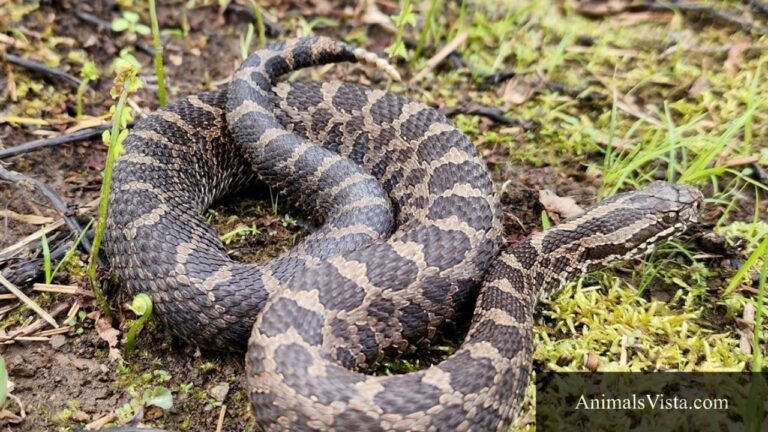
In the animal kingdom, the python stands out for its surprisingly extensive sleep habits. These magnificent reptiles can sleep for an astonishing 18 to 20 hours a day, significantly longer than many mammals. While they aren’t known for their energetic nature, this long slumber serves several crucial purposes. As ambush predators, pythons rely on stealth and patience; their hours of sleep allow them to conserve energy for the moments when they strike, ensuring that they’re primed for their next meal.
The python’s sleep is not uniform. During periods of digestion, after consuming a sizable prey item, these snakes might retreat into a deep sleep state to facilitate the arduous process of breaking down their meal. This highlights a fascinating aspect of their behavior — sleep isn’t just rest; it’s a vital component of their biological strategy, sharpening their hunting skills and enhancing their survival. By understanding the python’s sleep patterns, we gain insight into how even the most lethargic creatures engage with their environment, highlighting the crucial role of rest in the balance of life.
European Hedgehog
Scientific Name: Erinaceus europaeus
Class: Mammalia
Diet: Omnivore
The European hedgehog, a delightful nocturnal creature, is not only known for its adorable appearance but also for its impressive slumber habits. These small mammals can sleep up to 18 hours a day, primarily during daylight hours when they are least active. This extensive hibernation is a vital strategy for survival; it helps them conserve energy during colder months when food is scarce. As the temperature drops, hedgehogs enter a state of torpor, significantly lowering their metabolic rate to endure prolonged periods of inactivity.

This sleep pattern isn’t merely a response to environmental conditions; it also plays a role in their foraging behavior at night. By conserving energy during the day, hedgehogs maximize their foraging efficiency under the cover of darkness, making them adept foragers of insects and slugs. Their deep sleep cycles are interspersed with short periods of waking, allowing them to remain vigilant against predators while still reaping the restorative benefits of extended rest. The hedgehog’s lifestyle showcases the delicate balance between sleep and survival, revealing just how crucial a restful existence can be in the wild.
Lion
Scientific Name: Panthera leo
Class: Mammalia
Diet: Carnivore
Lions, often dubbed the kings of the jungle, are also the champions of slumber, averaging around 16 to 20 hours of sleep each day. This remarkable propensity for rest isn’t just a luxurious pastime; it plays a crucial role in their hunting strategies. Since lions are apex predators, they conserve energy during the heat of the day to ensure they are formidable during the cooler evenings. Their sleep patterns align with their hunting habits, emphasizing the importance of rest for peak performance.
The social structure of lion prides further influences their sleeping habits. Female lions, who often partake in the actual hunting, can be seen napping in clusters, using their rest periods to bond and guard their young. This communal sleeping not only fosters unity but serves as a strategic advantage against threats. While the males bask in sunlight, resting and maintaining their manes, they remain alert to the sounds of the savannah, ensuring their pride’s safety and supremacy. In this intricate dance between rest and activity, lions exemplify the balance necessary for survival in the wild.
Squirrel
Scientific Name: Sciurus vulgaris
Class: Mammalia
Diet: Omnivore
Squirrels may seem like lively creatures, bounding from tree to tree with boundless energy, but these agile acrobats actually have a secret side to their daily routine. While they are known for their incessant foraging and play, what many don’t realize is that squirrels can snooze up to 18 hours a day! This extensive rest period is essential for their survival, allowing their bodies to recover from the wear and tear of their energetic lifestyle.

Their sleep is not merely a passive state; squirrels often enter a lighter form of slumber, staying on high alert for potential predators. This unique combination of sleep strategies allows them to conserve energy while still being wary of threats in their environment. Moreover, during these lengthy naps, their brains process information and memories — crucial for navigating complex urban terrains where they’ve learned to scavenge for food. So, the next time you spot a squirrel, remember that behind their frenetic exterior lies a life that champions the delicate balance of activity and rest.
Read More: Explore Top 13 Birds That Eat Fish
Final Thoughts
The varied sleeping habits seen in animals provide a window into their evolutionary adaptations and survival tactics. Species like the brown bat and the common opossum demonstrate that sleep serves essential functions, from recuperation to reproduction, in the animal kingdom. Understanding these patterns can deepen our appreciation for biodiversity and the ways life thrives in different habitats. As we learn more about these intriguing sleep behaviors, we are reminded of the interconnectedness of all living creatures. Let’s continue to explore and protect these wonders of nature, ensuring they can rest peacefully for generations to come.
FAQs
What animal spends 90% of its life sleeping?
The animal that spends about 90% of its life sleeping is the koala. These adorable marsupials are known for their incredibly long sleep schedules, often snoozing for 18 to 22 hours a day. Their diet of eucalyptus leaves, which are low in nutrients, necessitates this extensive rest to conserve energy.
What is the sleepiest animal?
The sleepiest animal is often considered to be the brown bat. These little creatures can sleep up to 20 hours a day! They hibernate during the winter months, entering a deep sleep state to conserve energy when food is scarce. Another contender is the koala, which snoozes for about 18 to 22 hours a day. Their diet of eucalyptus leaves is low in nutrients, so they conserve energy by sleeping a lot.