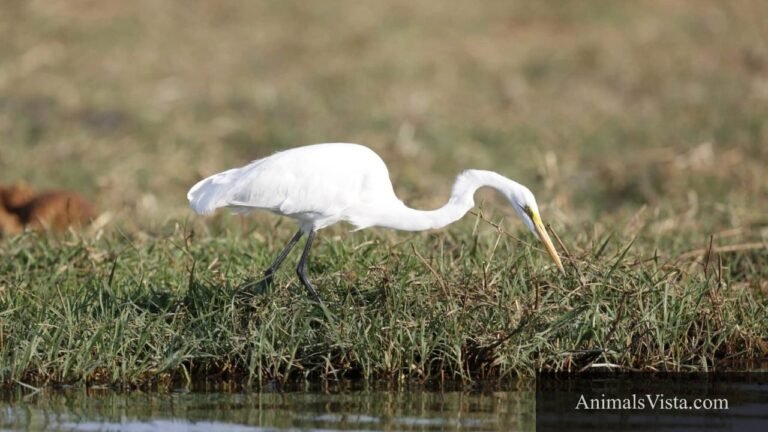

Top 13 Birds That Eat Fish (With Pictures)
Birds that eat fish showcase remarkable hunting techniques while offering valuable insights into the health of aquatic ecosystems. In this article, we will explore various species, their remarkable adaptations, and the essential roles they play in our planet’s biodiversity. By the end, you’ll appreciate these feathered fishers and their contribution to a balanced ecosystem.
List of Birds That Eat Fish
Below is the list of birds that eat fish:
- Mergansers
- Common Tern
- Bald Eagle
- Osprey
- Atlantic Puffins
- Penguin
- Loons
- Pelicans
- Great Blue Heron
- Cormorants
- Gannet
- Kingfishers
- Albatross
Mergansers
Scientific Name: Mergus serrator
Class: Aves
Diet: Carnivore
Mergansers, with their slender bodies and sharp bills, are fascinating avian hunters that have adapted brilliantly to aquatic ecosystems. Unlike many birds, these striking ducks possess serrated edges on their bills, designed specifically to grasp slippery fish. This unique adaptation not only makes them efficient at catching their prey but also highlights a remarkable evolutionary tool that reflects their specialized diet.

Observing a merganser in action is a masterclass in predatory prowess. They dive skillfully underwater, using their keen eyesight and streamlined bodies to pursue fish with agility and precision. Often found in freshwater lakes and rivers, these birds play a crucial role in maintaining the balance of aquatic life. Moreover, their presence can indicate the health of their habitat, as clean waterways typically support a robust merganser population. This makes them not just hunters but also essential indicators of environmental quality.
Common Tern
Scientific Name: Sterna hirundo
Class: Aves
Diet: Carnivore
The Common Tern, with its sleek, aerodynamic body and striking black cap, is a masterful fisherman of the skies. Known for its distinctive diving technique, this bird is a marvel of precision; it can plunge more than three feet below the water’s surface to snatch fish with remarkable accuracy. Observers often describe the tern’s hunting style as a graceful ballet, where each dive is coordinated with split-second timing, showcasing not just survival skills but also the beauty of nature’s choreography.
Beyond their impressive fishing skills, Common Terns are also social creatures, often found in large colonies that foster a vibrant community. These groups provide safety in numbers, where young birds learn from adults and develop their own hunting techniques. The terns’ adaptability to different coastal habitats, from sandy beaches to rocky shores, highlights their resilience — an essential trait as they navigate changing ecosystems. Watching a colony of Common Terns at dusk, gracefully gliding over the water with the sun setting behind them, offers a poignant reminder of the delicate balance between nature and survival.
Bald Eagle
Scientific Name: Haliaeetus leucocephalus
Class: Aves
Diet: Carnivore
The Bald Eagle, often celebrated as a symbol of strength and freedom, showcases remarkable fishing prowess that adds to its allure. With keen eyesight capable of spotting a fish from over a mile away, these majestic raptors embody nature’s precision and adaptation. Their powerful talons are specifically designed to grasp slippery prey, allowing them to dive and snatch fish with breathtaking speed.

But the Bald Eagle’s relationship with fish extends beyond just hunting; it plays a vital role in the ecosystem. By preying on fish populations, they help maintain balance in aquatic environments, ensuring healthy fisheries. Their hunting techniques are a spectacle in themselves; watching an eagle swoop down to the water’s surface is a stunning reminder of nature’s drama and elegance. In this way, the Bald Eagle not only embodies the spirit of its surroundings but also serves as a guardian of the waterways in which it thrives.
Read More: Explore Top 13 Most Agile Animals In The World.
Osprey
Scientific Name: Pandion haliaetus
Class: Aves
Diet: Carnivore
The osprey, often dubbed the “fish hawk,” is a remarkable raptor that showcases an extraordinary hunting prowess, specializing mainly in catching fish. Its adaptability to various environments — from coastal regions to inland lakes — underlines its versatile hunting techniques. Watching an osprey dive headfirst into the water, talons extended, is nothing short of mesmerizing. This aerial acrobat can spot its prey from heights exceeding 100 feet, thanks to its exceptional vision that filters out glare from the water’s surface.
What sets the osprey apart from other raptors is its unique physical adaptations. Unlike many birds of prey, ospreys possess reversible outer toes that allow them to grip slippery fish tightly. Their specialized nictitating membrane protects their eyes during these dramatic dives, ensuring focused vision even amidst the splash. This combination of skill, anatomy, and instinct makes their hunting not only efficient but also a breathtaking spectacle to witness in the wild. As environmental stewards, ospreys also play a crucial role in regulating fish populations, highlighting their integral place in aquatic ecosystems.
Atlantic Puffins
Scientific Name: Fratercula arctica
Class: Aves
Diet: Carnivore
Atlantic puffins, often dubbed “sea parrots” for their colorful beaks, are exceptional fishers that embody the beauty of marine ecosystems. These small seabirds dive into the icy Atlantic waters, plummeting to depths of up to 200 feet in pursuit of small fish like herring and sand eels. With a technique reminiscent of an adept underwater acrobat, they use their wings for propulsion, demonstrating an impressive agility that belies their comical appearance.

What sets Atlantic puffins apart is their impressive ability to carry multiple fish at once — a technique perfected through evolutionary adaptations. Their unique beak allows them to hold several fish crosswise, showcasing an astonishing jaw flexibility. This not only highlights their foraging prowess but also plays a vital role in their breeding strategy; puffins often bring these fish back to their burrows to feed their young, ensuring the next generation thrives in a world where food scarcity can be a pressing issue. Observing these remarkable birds diving and flying in a coordinated group can reveal the intricate web of life in their habitats, underscoring the importance of protecting marine environments for the myriad species that depend on them.
Penguin
Scientific Name: Spheniscidae
Class: Aves
Diet: Carnivore
Penguins are fascinating avian predators that have adapted remarkably to aquatic life, transforming them into skilled fish hunters. Unlike most birds, penguins are flightless, but their streamlined bodies make them exceptional swimmers, allowing them to dive up to 1,800 feet in search of schools of fish. Each species has its unique quirks; for instance, the Emperor Penguin relies on its remarkable resilience against the harsh Antarctic climate, often diving into frigid waters for fish that form an essential part of its diet.
What sets penguins apart is not just their ability to catch fish but how they do so. They often employ a technique called “porpoising,” where they leap out of the water while swimming, enabling them to gain speed and evade predators. Penguins have excellent underwater vision and a unique sense of buoyancy, which helps them navigate through murky waters to hunt. This combination of physical prowess and adaptive behavior highlights the intricate relationship between these birds and their aquatic environments, making them true marvels of nature.
You Can Also Read: Explore Top 25 Animals With Webbed Feet.
Loons
Scientific Name: Gavia
Class: Aves
Diet: Carnivore
Loons, with their striking black-and-white plumage, are masterful fish hunters. Their streamlined bodies and powerful legs enable them to dive up to 200 feet in search of their aquatic prey. Unlike many birds, loons can hold their breath for over five minutes while pursuing fish, showcasing an impressive adaptation that highlights their evolutionary prowess. This ability not only underscores their efficiency as predators but also puts them at the top of the food chain in their habitats.

What truly sets loons apart, however, is their unique vocalizations. From eerie wails to soft tremolos, these calls serve not only to communicate with mates but also to assert territorial claims. Observing a pair of loons calling back and forth can reveal a complex social structure that many birdwatchers may overlook. Their visual hunting style — where they rely on both sight and keen underwater navigation — demonstrates a sophisticated relationship with their environment, establishing loons as not just hunters, but as integral players in the aquatic ecosystem. Their presence often signals a healthy lake, reminding us of the delicate balance that sustains their habitat.
Pelicans
Scientific Name: Pelecanus
Class: Aves
Diet: Carnivore
Pelicans are fascinating avian predators, distinguished by their remarkable fishing techniques and unique adaptations. With their large, pouch-like bills, they can scoop up fish with surprising efficiency. This remarkable adaptation allows them to take advantage of schooling fish by diving from heights, sometimes plunging into the water to catch their prey with a splash. Their cooperative hunting strategies, often seen among flocks, reveal an intricate social dynamic that enhances their success as a species.
Beyond their impressive skills, pelicans possess a keen sense of their environment, employing both sight and intuition. They can often be seen gliding gracefully over water bodies, scanning beneath the surface for any sign of movement. It’s not just their physical attributes that are intriguing; these birds also play a crucial role in their ecosystems, helping to manage fish populations and maintain aquatic balance. Observing pelicans in their natural habitat, one can’t help but appreciate the delicate interplay of nature, where these giant birds are both hunters and custodians of the waterways they inhabit.
Great Blue Heron
Scientific Name: Ardea herodias
Class: Aves
Diet: Carnivore
Among the avian specialists that thrive on aquatic diets, the Great Blue Heron stands out as a masterful fish hunter. With its striking slate-blue plumage and statuesque presence, it often appears as a sentinel at the water’s edge, perfectly camouflaged among reeds and marshes. Its hunting technique is a ballet of patience; the heron can remain motionless for extended periods, waiting for the perfect moment to strike with its remarkably sharp beak. This combination of stealth and precision allows it to capture fish with stunning efficiency, often employing a swift thrust that can be both mesmerizing and brutal.

What’s intriguing about the Great Blue Heron is its adaptability to various habitats, ranging from coastal shorelines to inland lakes and rivers. This versatility is a testament to its evolutionary success, allowing it to thrive in diverse environments while maintaining its specialized diet. The heron’s role in the ecosystem extends beyond mere predation — it helps regulate fish populations and maintains the delicate balance of aquatic ecosystems. Observing these birds not only reveals their intricate hunting techniques but also invites reflection on the interconnectedness of species and the vital roles they play in preserving biodiversity.
Also Read: Explore Top 6 Animals That Are Deaf.
Cormorants
Scientific Name: Phalacrocoracidae
Class: Aves
Diet: Carnivore
Cormorants are fascinating avian hunters that have adapted remarkably well to aquatic environments. Their sleek, dark bodies and long necks enable them to dive deep and pursue fish with extraordinary agility. Unlike many fish-eating birds that rely solely on surface feeding, cormorants use a technique called plunge-diving, allowing them to reach depths up to 45 feet. This specialized skill set not only makes them efficient hunters but also highlights their evolutionary adaptability in diverse marine ecosystems.
What sets cormorants apart is their unique after-catch behavior: once they surface with a fish, they often swallow it whole, showcasing their remarkable feats of endurance. Observers may notice large colonies along coastlines and lakes, where these birds engage in a cooperative feeding strategy that maximizes their collective hunting success. Interestingly, many cultures view cormorants as symbols of resilience and resourcefulness, epitomizing how species can thrive in a rapidly changing environment. As their populations fluctuate with ocean health and fish stocks, cormorants serve as key indicators of ecosystem balance, reminding us of our interconnectedness with nature.
Gannet
Scientific Name: Morus
Class: Aves
Diet: Carnivore
The gannet, with its striking white plumage and piercing blue eyes, is a marvel of aerial agility. These seabirds are known for their spectacular plunge-diving technique, which allows them to target fish with remarkable precision. Diving from heights of up to 30 meters, they hit the water with incredible speed, showcasing not just their hunting skills but also the grace and power of their bodies, perfectly adapted for life over the waves.

One of the most fascinating aspects of the gannet’s hunting technique is its use of cooperative behavior; they often hunt in groups, which increases their success rate in locating schools of fish. Their social structure not only enhances their feeding efficiency but also reinforces community dynamics within their colonies. Spanning vast distances, gannets can travel hundreds of kilometers in search of food, making their migratory behaviors equally mesmerizing. Observing these skilled hunters reveals a profound connection between their survival strategies and the intricate balance of marine ecosystems, highlighting the profound interplay between predator and prey in our oceans.
Kingfishers
Scientific Name: Alcedinidae
Class: Aves
Diet: Carnivore
Kingfishers, with their vivid plumage and astonishing agility, are not just beautiful to behold but are also masterful hunters of fish. These avian acrobats employ a striking technique known as “hovering,” allowing them to spot their prey with impeccable precision from above the water’s surface. Once they have zeroed in on a target, they dive at incredible speeds, often striking the water with such force that they can emerge with a wriggling fish firmly in their beaks.
Their hunting prowess extends beyond sheer speed; kingfishers possess excellent vision, equipped with specialized eyes that allow them to perceive underwater movements and even adjust to the refraction of light. This adaptation enables them to calculate the exact depth and distance of their target, making their dives remarkably successful. Moreover, kingfishers tend to establish their territories near freshwater bodies, using their sharp beaks to hunt and consume a diet consisting mainly of fish, insects, and crustaceans, showcasing their versatility as predators.
Albatross
Scientific Name: Diomedeidae
Class: Aves
Diet: Carnivore
The albatross, a magnificent seabird known for its wingspan that can reach up to 12 feet, is a master of gliding over ocean waves. This remarkable bird is not just an emblem of freedom but also a skilled fisherman, adept at spotting schools of fish from high above. Albatrosses utilize their keen eyesight and exceptional flying abilities to locate food, swooping down to catch fish with precision. It’s fascinating to note that they often engage in a technique called “dynamic soaring,” which allows them to cover vast distances while conserving energy — perfect for a bird that may travel thousands of miles in search of its next meal.

Interestingly, albatrosses often follow fishing vessels for an easier meal, capitalizing on the scraps thrown overboard. This behavior highlights a symbiotic relationship between humans and wildlife, where our activities inadvertently sustain these remarkable birds. However, the challenges they face — such as plastic pollution and diminishing fish populations — raise concerns about their future. As guardians of the ocean, albatrosses illuminate the delicate balance between marine life and human impact, urging us to reflect on our responsibilities toward the thriving ecosystems that support them.
Read More: Explore Top 11 Animals With Shells.
Final Thoughts
The unique adaptations of birds that eat fish illustrate a remarkable evolution shaped by their specific environments and prey availability. These birds are not just skilled hunters; they are vital indicators of ecological health, reflecting the condition of our aquatic ecosystems. Understanding their behaviors and needs allows us to appreciate the intricate web of life within which they exist. As we confront environmental changes, it is essential to advocate for the protection of their habitats and to foster a greater awareness of their role in the ecosystem. Join the effort to preserve these incredible creatures and the natural waters they depend on.
FAQs
What kind of birds eat fish?
Several types of birds are known for eating fish. Among the most notable are herons, which wade in shallow waters to catch their prey with sharp beaks. Cormorants are also adept fishers; they dive underwater, using their keen vision to spot and capture fish. Birds of prey like ospreys and eagles are skilled hunters. They can spot a fish from high above and swoop down to catch it with their powerful talons. Seabirds like gulls and pelicans also feast on fish, often employing group tactics to herd or catch them.
Which bird eats the most fish?
The bird that eats the most fish is typically the osprey. Known for their exceptional fishing skills, these large raptors can dive from heights and snatch fish right out of the water. Ospreys are found near water bodies worldwide, making fish their primary diet. Another notable contender is the bald eagle. While they hunt and scavenge, fish account for a significant portion of their diet. They often steal catches from ospreys, showcasing their competitive nature in the hunt for fish.