
Top 13 Animals With Down Syndrome (Images Included)
Just like humans, some animals can exhibit traits similar to Down syndrome. Animals with Down Syndrome, though rare, present fascinating insights into the genetics of various species. In this article, we’ll explore these unique cases, what they mean for animal welfare, and how they challenge our understanding of intelligence and behavior in the animal kingdom. By the end, you’ll gain a deeper appreciation for the extraordinary diversity of life and the special needs of these remarkable creatures.
List of Animals With Down Syndrome
Below is the list of animals with down syndrome:
- Hyenas
- Down Syndrome in Monkeys
- Goat
- Down Syndrome in Mice
- Kenny the Tiger
- Beluga Whale
- Horse
- Down Syndrome in Dogs
- Down Syndrome in Giraffes
- Koala
- Down Syndrome in Elephants
- Otto the Kitten
- Cow
Hyenas
Scientific Name: Hyaenidae
Class: Mammalia
Diet: Carnivore
Hyenas, known for their notorious social structures and scavenging habits, offer a strikingly unique discussion point when considering the concept of Down syndrome in animals. While Down syndrome itself is primarily a human condition caused by an extra copy of chromosome 21, some researchers suggest that similar genetic anomalies could manifest in various animal species, including hyenas. These intelligent, complex creatures display behaviors that can sometimes mirror traits associated with cognitive challenges, allowing us to rethink the traditional narrative surrounding their social interactions.

These magnificent creatures play an essential role in their ecosystems, often acting as nature’s cleanup crew. A hyena with distinctive behavioral traits can challenge our perceptions of ability and social functionality. Observing how these individuals integrate — whether they find niches within the pack or establish bonds with other members — reveals the resilience of life itself. Such dynamics offer a lens through which we can appreciate the rich tapestry of animal behavior and the profound connections that cross species lines, reminding us that every being, regardless of its differences, contributes to the vibrancy of its communi
Down Syndrome in Monkeys
Scientific Name: Primates
Class: Mammalia
Diet: Omnivore
Down syndrome-like conditions in monkeys have piqued the interest of researchers, as these primates share many genetic similarities with humans. Observing these animals offers a unique lens into the ways genetic variations manifest across species. In particular, the behaviors displayed by monkeys with such conditions can illuminate the emotional and social complexities that mirror human experiences. From playful interactions to moments of vulnerability, these individuals illuminate the spectrum of intelligence and personality that exists in the animal kingdom.
Studies have suggested that, much like in humans, monkeys exhibiting Down syndrome-like traits often show a blend of cognitive strengths and challenges. They can form strong social bonds and demonstrate affection, showcasing a range of emotional capacities that defy traditional notions of intelligence. This understanding not only enhances our empathy towards these animals but also urges us to reconsider our definitions of capability and value in both human and animal societies. As we continue to explore the implications of genetic anomalies, it may lead to revolutionary insights into the nature of developmental disabilities and social connection, sparking further compassion and care in zoological practices.
Goat
Scientific Name: Capra Hircus
Class: Mammalia
Diet: Herbivore
Goats often stand out not only for their playful antics but also for the unique challenges some face, reminiscent of human conditions like Down syndrome. Goats exhibiting traits sometimes associated with Down syndrome may display distinctive physical features, such as a broad face and oddly shaped ears. These variations can lead to a charming personality that captivates the hearts of those who encounter them. Owners of such goats often notice their gentle demeanor, making them ideal companions and sources of joy on farms and in homes alike.

Beyond their physical characteristics, goats with Down syndrome can offer valuable insights into the importance of inclusivity and empathy in the animal kingdom. Their existence challenges preconceptions about what it means to thrive, demonstrating that every creature brings its own set of unique strengths and vulnerabilities. These goats serve as ambassadors of understanding, reminding us that diversity in all forms enriches our lives and challenges us to redefine normalcy. Engaging with these animals can leave an enduring impact, prompting deeper conversations about compassion and acceptance within our communities.
Read More: Explore Top 11 Animals With Shells.
Down Syndrome in Mice
Scientific Name: Mus Musculus
Class: Mammalia
Diet: Omnivore
Research on Down syndrome in mice has unveiled fascinating insights into genetic anomalies and behavioral manifestations. By creating mouse models with trisomy 21 — analogous to human Down syndrome — scientists can study the effects of this chromosomal abnormality more deeply. These mice exhibit heightened anxiety levels and altered social interactions, providing a unique lens through which to understand how genetic differences can influence behavior and cognitive function.
As we observe these mice, researchers have noticed their spatial learning capabilities are often impaired. This finding offers important parallels to the cognitive challenges faced by individuals with Down syndrome. Furthermore, studying these mice not only aids in understanding the neurological impacts of Down syndrome but also fosters advances in therapeutic strategies. Insights gained from such research may eventually pave the way for interventions that enhance cognitive function and emotional well-being, not just in mice, but for individuals living with this condition.
Kenny the Tiger
Scientific Name: Panthera Tigris
Class: Mammalia
Diet: Carnivore
Kenny the Tiger, a rare and heartwarming figure in the world of wildlife, exemplifies the resilience found in animals with Down Syndrome. Born in a conservation center, Kenny’s unique traits stemmed from a genetic anomaly that often goes unnoticed among majestic creatures in the wild. His adorably distinctive features and sociable nature have made him a symbol of acceptance, teaching us that beauty comes in different forms. Unlike typical tigers, Kenny displays endearing quirks that melt the hearts of visitors, showcasing the extraordinary lengths of individual personalities within the animal kingdom.

Beyond the surface, Kenny’s life shines light on the challenges and triumphs faced by animals with special needs. His playful spirit not only captivates onlookers but offers an educational glimpse into the world of genetic diversity. Caregivers at the sanctuary have crafted an environment tailored to his requirements, underscoring the importance of compassion in wildlife conservation. Kenny’s story serves as a reminder that recognizing and celebrating differences can lead to a deeper bond between humans and animals, urging us to embrace all beings — flaws and all — as integral parts of our ecosystem.
You Can Also Read: Explore Top 13 Animals Like Hamsters.
Beluga Whale
Scientific Name: Delphinapterus Leucas
Class: Mammalia
Diet: Carnivore
The beluga whale, often dubbed the “canaries of the sea” for their wide range of vocalizations, has recently captured the imagination of animal enthusiasts due to individuals exhibiting traits reminiscent of Down syndrome. These unique whales, characterized by their striking white skin and expressive facial features, are known for their playful and social nature. When a beluga exhibits noticeable physical or behavioral differences, such as peculiar swimming patterns or atypical social interactions, observers can’t help but draw comparisons to the diverse characteristics found in humans with Down syndrome.
Recent discussions within the marine biology community highlight the need to focus on the underlying emotional and social complexities of these whales. Instead of a mere curiosity, these belugas exemplify the rich tapestry of marine life, showcasing that even among highly intelligent species, there can be variations that may challenge our perception of “normal.” Understanding these differences can inspire a deeper appreciation for the spectrum of life in the ocean, reminding us that every creature, regardless of its quirks, plays an integral role in its environment. Embracing these differences ultimately enriches our relationship with the natural world, encouraging conservation efforts and a more inclusive perspective on varying abilities within animal communities.
Horse
Scientific Name: Equus Caballus
Class: Mammalia
Diet: Herbivore
Horses with Down syndrome may not be as commonly recognized as their human counterparts, but they offer a unique glimpse into the resilience and beauty of nature. Like humans, horses can exhibit genetic conditions that affect their development, leading to physical characteristics reminiscent of Down syndrome. These horses often have distinct facial features, such as a flat nasal bridge and almond-shaped eyes, which can evoke empathy and admiration from those who encounter them.

Beyond their appearance, horses with these genetic markers frequently showcase remarkable personality traits. Many exhibit a gentle demeanor and higher emotional sensitivity, allowing them to connect deeply with their caregivers. Their interactions can be a powerful reminder of the bonds that exist between animals and humans, encouraging us to rethink our definitions of capability and beauty in the animal kingdom. Observing these horses teaching people about acceptance and kindness can be a transformative experience, inspiring us to celebrate differences rather than fear them.
Read More: Explore Top 13 Animals Like Groundhogs.
Down Syndrome in Dogs
Scientific Name: Canis Lupus Familiaris
Class: Mammalia
Diet: Omnivore
While Down syndrome is a term typically associated with humans, some animal advocates and veterinarians suggest that certain dogs display similar traits, sparking interesting discussions about genetics and animal welfare. Dogs exhibiting characteristics often attributed to Down syndrome — like distinct physical features and developmental delays — can inspire greater empathy and understanding among pet owners. These conditions may arise from genetic anomalies or are often the result of trauma, rather than a true chromosomal disorder.
Celebrating the uniqueness of these dogs can provide them not only with a loving home but also with advocacy for better veterinary care tailored to their needs. Owners of such dogs often find that their pets have exuberant personalities, displaying boundless joy despite their challenges. This perspective encourages a shift in focus from conventional health metrics to a broader appreciation of the diverse ways loyalty and love can manifest in our furry companions. By sharing their stories, pet owners can raise awareness about adoption and inclusivity, urging potential adopters to see beyond physical or behavioral limitations and to appreciate the rich, emotional lives these dogs lead.
Down Syndrome in Giraffes
Scientific Name: Giraffa Camelopardalis
Class: Mammalia
Diet: Herbivore
Giraffes with Down syndrome represent a rare and captivating intersection between genetic anomalies and the animal kingdom. While the research on this condition in non-human species is limited, anecdotal evidence suggests that some giraffes may exhibit physical and behavioral traits reminiscent of Down syndrome, such as distinct facial features or developmental delays. Observing such differences can foster greater empathy and understanding of genetic diversity within the animal world.

These unique giraffes challenge our perceptions of normalcy in wildlife, inspiring deeper questions about nature’s complexities. For instance, how does a giraffe’s unusual physiology affect its interactions with herd dynamics or foraging behaviors? By recognizing the richness of genetic variance, we can appreciate the beauty of all creatures, regardless of their challenges. Celebrating these animals not only aids in conservation efforts but also reminds us that life’s most extraordinary forms often come with quirks that enrich the fabric of biodiversity.
Also Read: Explore Top 19 Anxious Animals In The World.
Koala
Scientific Name: Phascolarctos Cinereus
Class: Mammalia
Diet: Herbivore
Koalas are often celebrated for their adorable, sleepy demeanor and unique adaptations, but the concept of Down syndrome in animal populations, including koalas, offers a fascinating glimpse into the complexities of wildlife biology. While Down syndrome is primarily a human condition characterized by an extra chromosome, some researchers have proposed that similar genetic anomalies could occur in other species, leading to unique physical and behavioral traits. In the case of koalas, deviations from the norm might manifest in their characteristic features, such as unusually shaped faces or distinct behavioral quirks that could alter how they interact within their social structures.
Studying these unique koalas can deepen our understanding of genetic diversity in wildlife and help raise awareness about the conservation needs of species that face environmental pressures. More than just a curiosity, these animals remind us of the inherent beauty found in differences. As we observe koalas that may embody traits reminiscent of Down syndrome, we are invited to reflect on the broader implications of diversity in the animal kingdom and our responsibility to protect all creatures, regardless of their variations. This perspective cultivates empathy and reminds us that every living being plays a vital role in the tapestry of life on Earth.
Down Syndrome in Elephants
Scientific Name: Elephantidae
Class: Mammalia
Diet: Herbivore
Down syndrome in elephants presents a unique opportunity to reexamine the emotional depth and complexities of these magnificent creatures. While scientific literature on the condition in elephants is sparse, anecdotal evidence suggests that these animals may exhibit behaviors reminiscent of Down syndrome in humans, such as distinct physical features and variations in social interactions. Observers have noted that elephants with such abnormalities often form deep social bonds, emphasizing the importance of community in their lives, prompting us to reflect on how we define intelligence and connectivity across species.

In elephant herds, those exhibiting traits similar to Down syndrome may become focal points for nurturing behaviors from their companions. This phenomenon showcases not only the empathy inherent in these social structures but also challenges preconceived notions of what it means to thrive in the animal kingdom. Rather than focusing solely on deficits, it’s essential to appreciate the unique contributions these elephants make to their herds, often acting as catalysts for enrichment and care. Each encounter with these remarkable beings invites us to rethink our understanding of disabilities and the beauty of diversity in the animal world.
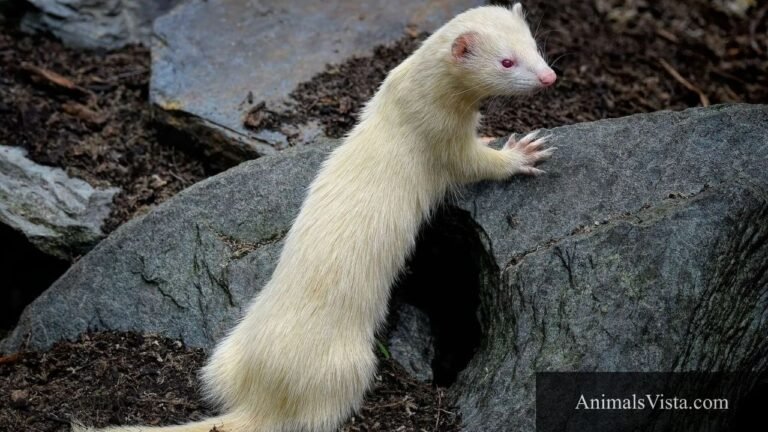
You Can Also Read: Explore Top 15 Animals Like Ferrets.
Otto the Kitten
Scientific Name: Felis Catus
Class: Mammalia
Diet: Carnivore
Otto the kitten has captured the hearts of many due to his unique charm and challenges. Unlike typical kittens, Otto has distinctive physical features reminiscent of Down syndrome in humans — his wider-set eyes and flatter face set him apart. But it’s not just his appearance that makes Otto special; it’s his undeniable spirit. He faces his daily adventures with unyielding curiosity, bouncing around with an energy that rivals any ordinary cat, proving that deviations from the norm can be a source of pure joy.
What makes Otto’s story even more compelling is the community of support that has rallied around him. Through social media, he has not only raised awareness about the challenges faced by animals with genetic anomalies but has also fostered a sense of empathy among followers. People from all walks of life see Otto as a reminder that love and acceptance are paramount, regardless of appearances. His journey encourages a dialogue about the importance of inclusivity in the animal world, inspiring many to consider adopting pets that may be overlooked due to their differences. In Otto, we find a little warrior, showing us that every creature has a story worth telling, and that love transcends all boundaries.
Cow
Scientific Name: Bos Taurus
Class: Mammalia
Diet: Herbivore
Cows with Down syndrome-like traits exhibit unique behaviors and characteristics that can endear them to caregivers and visitors alike. Despite not being officially recognized as having Down syndrome, these animals often show distinct physical features such as a flat or broad face, which can evoke strong emotional connections. Just as humans with Down syndrome bring remarkable joy and unique perspectives to their communities, these cows can inspire awe and compassion in those who interact with them.

The bond between cows and humans grows deeper when we consider the emotional intelligence of these animals. Many who have cared for cows displaying Down syndrome-like traits report heightened social behaviors, such as increased playfulness or curiosity. Their quirky personalities encourage deeper engagement in farms and sanctuaries, fostering a culture of empathy and acceptance around differences, not just among animals but also in human interactions. Observing these remarkable cows can shift our understanding of animal capabilities, leading us to appreciate the diverse ways life expresses itself across species.
Read More: Explore Top 13 Animals That Sleep The Most.
Final Thoughts
Animals with Down syndrome remind us of the incredible diversity within the animal kingdom and the unique challenges some creatures face. Their stories highlight the importance of compassion and understanding in our interactions with all living beings. While these animals may experience certain difficulties, they also possess distinctive personalities and abilities that enrich our lives. By advocating for awareness and support, we can help ensure that they receive the care and love they deserve. Let us continue to educate ourselves and others about these remarkable animals and advocate for their welfare.
FAQs
What animals can have Down’s syndrome?
Some animals, like dogs and cats, can have congenital conditions or developmental delays that may resemble certain aspects of Down’s syndrome, but these cases are not directly comparable. Research is limited in this area, and instances of chromosomal abnormalities in animals often lead to different health issues rather than a clear diagnosis akin to human Down’s syndrome. Overall, the concept doesn’t translate well beyond human biology.
Can a gorilla have Down syndrome?
While gorillas can exhibit some genetic abnormalities, Gorillas and humans have different chromosome structures and numbers, so a gorilla cannot technically have Down syndrome as it’s defined in humans. That said, gorillas can have other genetic disorders or developmental issues. In captivity, some gorillas may display behaviors or physical traits reminiscent of certain syndromes, but these would not be classified as Down syndrome.