Top 19 Anxious Animals In The World (Images Included)
Recent studies reveal that anxious animals exhibit behaviors that mirror our own stress responses, raising urgent questions about their well-being. This article dives into the phenomenon of animal anxiety, spotlighting species affected by stress and what their reactions tell us about their environments. By uncovering the realities faced by these creatures, we can better advocate for their protection and mental health.
List of Anxious Animals In The World:
Below is the list of anxious animals in the world:
- Rats
- Chickens
- Ostriches
- Goats
- Elephants
- Parrots
- Opossums
- Chimpanzees
- Rabbits
- Deer
- Ferrets
- Cats
- Mice
- Squirrels
- Sheep
- Foxes
- Cheetahs
- Dogs
- Horses
Rats
Scientific Name: Rattus norvegicus
Class: Mammalia
Diet: Omnivore
Rats often evoke mixed feelings in humans, seen as pests or disease carriers, yet their remarkable adaptability reveals a complex world of anxiety and survival instincts. In urban environments, these intelligent creatures navigate bustling streets, stealthily avoiding traps and predators, highlighting their acute awareness of potential threats. Their heightened fear responses are not merely a survival mechanism; they have evolved sophisticated social systems that rely on communication and empathy, essential for alleviating stress within their groups.
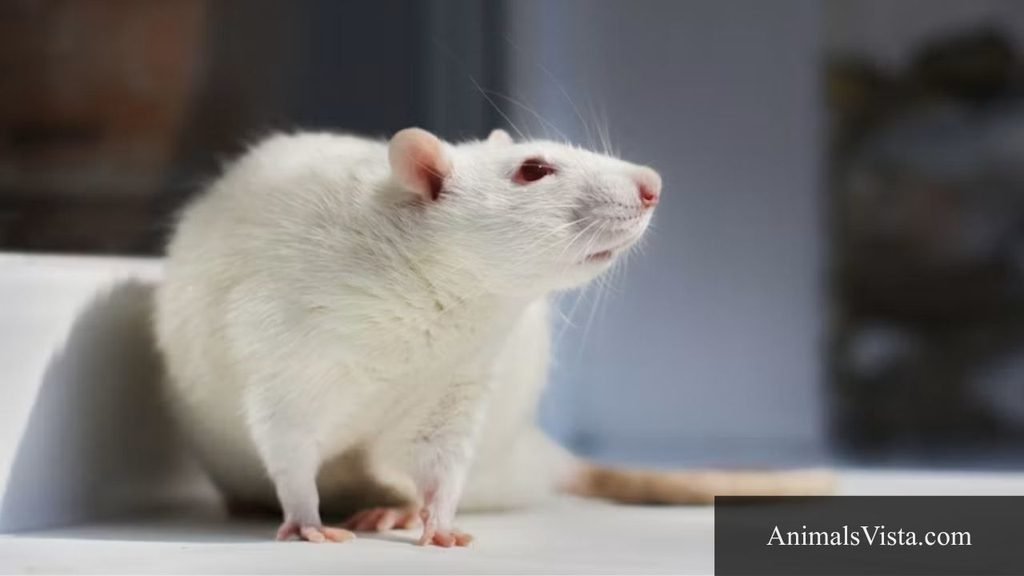
Research shows that when rats are separated from their companions, they exhibit signs of anxiety, such as vocalizations and restless behavior. This bond is not simply social; it’s a testament to their understanding of support systems, akin to our own coping strategies in stressful situations. Observing how these rodents comfort each other during tense moments offers a fascinating glimpse into animal behavior, showing that even in the smallest bodies, the weight of anxiety can lead to profound connections and resilience.
Chickens
Scientific Name: Gallus gallus domesticus
Class: Aves
Diet: Omnivore
Chickens are surprisingly complex creatures with emotional lives rich in nuance. Studies have shown that these birds experience anxiety in various settings, particularly when they perceive threats from their environment or lack access to safe spaces. Their social structure resembles that of primates, exhibiting nuanced hierarchies and relationships. A hen separated from her flock can experience acute distress, showcasing the depth of their social bonds.
Interestingly, the environment in which chickens are raised plays a significant role in their mental well-being. Factory settings, where they are crowded and deprived of natural behaviors like dust bathing or foraging, can lead to heightened anxiety levels. In contrast, chickens raised in free-range or enriched environments display behaviors indicative of happiness and contentment, such as exploring their surroundings or engaging in playful interactions. By understanding the emotional needs of these animals, we can create better living conditions that not only enhance their welfare but also allow us to connect more deeply with their vibrant personalities.
Ostriches
Scientific Name: Struthio camelus
Class: Aves
Diet: Omnivore
Ostriches, despite their size and impressive speed, are surprisingly anxious creatures. In the wild, these flightless birds exhibit a unique form of vigilance, constantly scanning their environment for potential threats. Their long necks and keen eyesight enable them to spot predators from miles away, but it’s this hyper-awareness that often drives their anxiety. Rather than fleeing, ostriches sometimes employ a curious tactic: they may drop to the ground and hide, relying on their mottled feathers for camouflage. This behavior reflects a deep-rooted survival instinct, as staying low can often be more effective than running.
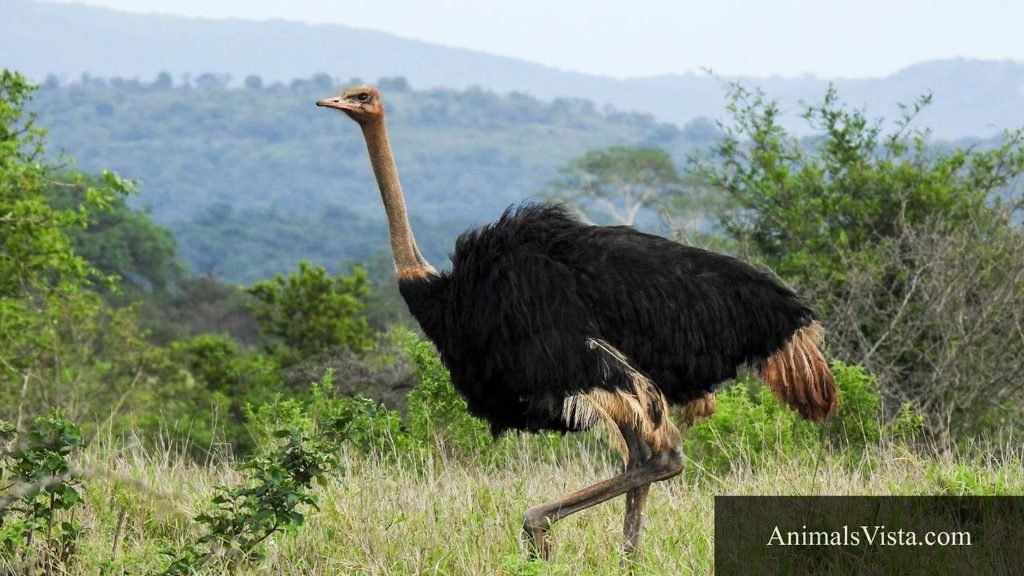
Interestingly, their social structures can exacerbate anxiety levels. Ostriches thrive in groups, yet the dynamics within these flocks can be tense, especially when a dominant member asserts control. In such situations, subordinate birds may exhibit signs of stress, demonstrating how social hierarchies can impact mental well-being. Understanding ostrich anxiety leads to questions about animal emotions and how environment and social interactions shape behavior, inviting us to consider the intricate emotional landscapes of even the most seemingly simple creatures. Observing these magnificent birds encourages a deeper empathy towards their struggles and triumphs, highlighting the emotional spectrum that exists in the animal kingdom.
Read More: Explore Top 6 Animals That Are Deaf
Goats
Scientific Name: Capra hircus
Class: Mammalia
Diet: Herbivore
Goats are often seen as playful and carefree creatures, but beneath their spirited exterior lies a surprising depth of anxiety. These remarkable animals possess a complex social structure, heavily influenced by their surroundings and companions. When separated from their herd, goats can exhibit signs of stress, showcasing behaviors like bleating and pacing. This emotional sensitivity not only highlights their intelligence but also reflects the critical role companionship plays in their well-being.
Interestingly, goats are also prey animals, which adds another layer to their anxious nature. Their instinctual response to potential threats makes them hyper-aware of their environment, often leading to heightened alertness in unfamiliar situations. This vigilance can manifest as a fear of sudden noises, which can send them scampering for cover. Understanding this aspect of goat behavior opens up a window to their world, where the balance between curiosity and caution is constantly navigated, making each interaction with humans and other animals a potential source of anxiety or joy.
Elephants
Scientific Name: Elephas maximus
Class: Mammalia
Diet: Herbivore
Elephants, often seen as majestic giants, carry a profound sense of anxiety deeply embedded in their complex social structures. As highly intelligent creatures, they form intricate relationships within their herds, resulting in a strong emotional bond that influences their well-being. When separated from family members — whether due to poaching, habitat loss, or human encroachment — these animals can experience profound stress, leading to behaviors akin to human anxiety disorders. The trauma of such separations not only affects their mental state but can ripple through the dynamics of their social groups, causing disturbances that echo across generations.
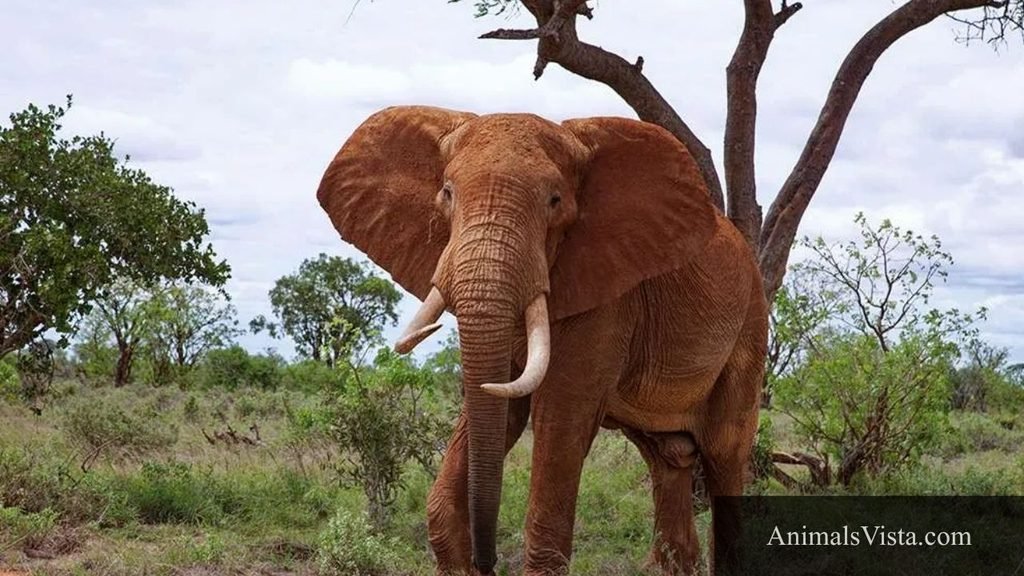
Research has shown that elephants display signs of anxiety through vocalizations and body language, compelling researchers and conservationists to reevaluate how we interpret their emotions. For instance, a gentle rumble can signify distress, while swaying or ear-flapping may indicate a need for comfort amidst turbulent circumstances. Creating spaces that allow for natural behaviors, such as roaming and socializing, becomes essential in alleviating this anxiety. By adopting a more empathetic approach to elephant conservation — recognizing their need for deep social connections — we can enable these remarkable beings to thrive, not just survive, in a world that often feels overwhelmingly chaotic.
Parrots
Scientific Name: Psittaciformes
Class: Aves
Diet: Omnivore
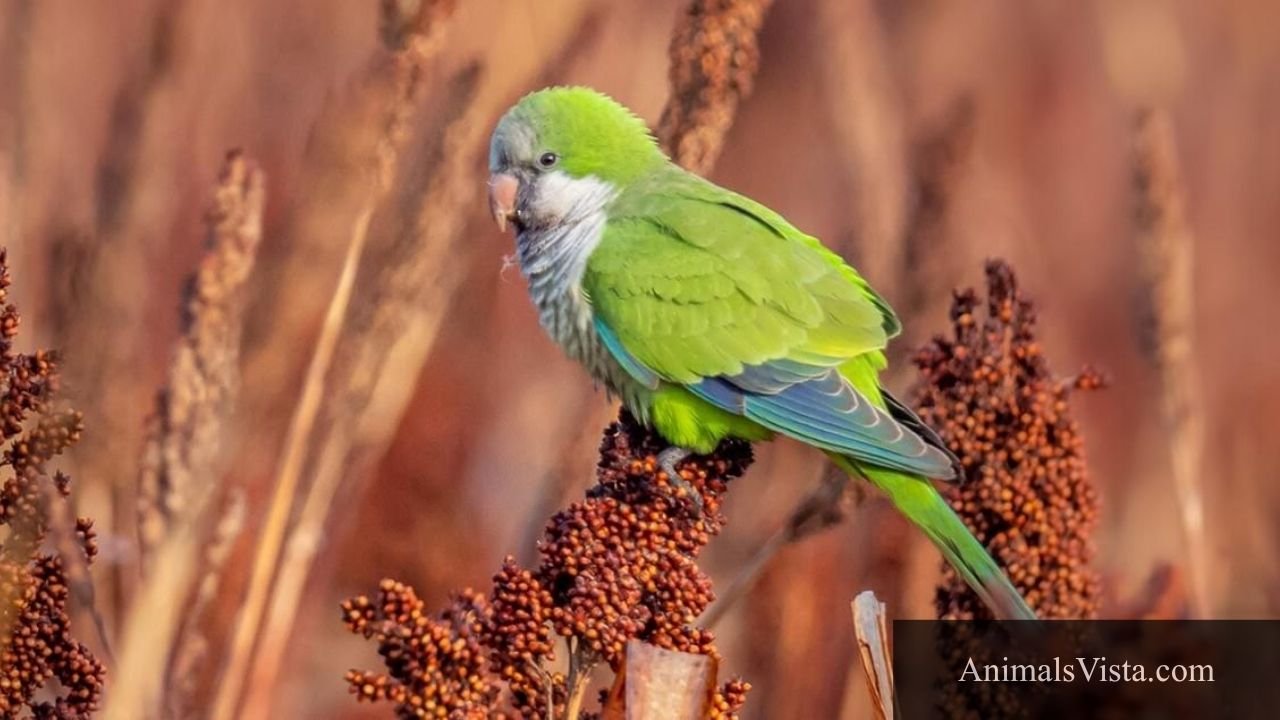
Parrots, with their vibrant plumage and engaging personalities, are among the most intelligent and social birds in the world. However, many parrots suffer from anxiety, which can significantly affect their well-being. As highly social creatures, they thrive on interaction, yet when deprived of companionship or environmental stimulation, they may develop anxiety disorders. This can manifest through behaviors such as feather plucking, excessive screaming, or even self-destructive tendencies.
Anxiety in parrots can be exacerbated by various factors, including changes in their environment, stressful situations, or the disruption of their established routines. Interestingly, studies have shown that the way humans interact with these birds plays a crucial role in their emotional health. For instance, providing a variety of toys, engaging in regular socialization, and maintaining a steady, calm presence can greatly alleviate anxiety. Creating a “safe space” with familiar items and regular routines fosters a sense of security, enabling parrots to thrive both mentally and emotionally. Understanding and addressing the unique psychological needs of these colorful companions can lead to a more fulfilling and harmonious life for both parrots and their caretakers.
Opossums
Scientific Name: Didelphimorphia
Class: Mammalia
Diet: Omnivore
Opossums are famous for playing dead as their primary defense mechanism, which is a fascinating evolutionary strategy rooted in survival instincts. However, beneath this quirky façade lies a wealth of anxiety-driven behaviors that reveal their sensitivity to environmental stressors. In the wild, these marsupials are masters of disguise, using their ability to remain still and blend into their surroundings to evade predators, which speaks to their constant state of alertness in a world filled with threats.
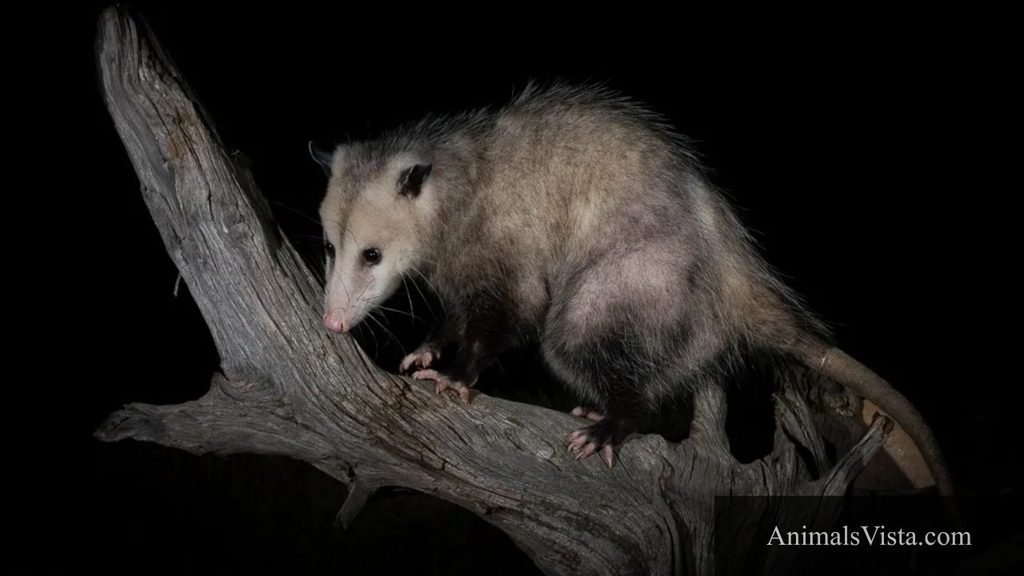
Interestingly, the opossum’s anxious disposition is also reflected in their social interactions. They possess a unique trait called a “play dead” response, triggered not just by direct threats but also by the stress of encounter situations. This response is not mere theatrics; it’s a sophisticated tactic that underscores their vulnerability and adaptability. Understanding the opossum’s instinctual behaviors can inspire compassion for these misunderstood creatures, reminding us that anxiety is not just a human condition but a necessary survival trait in the animal kingdom. Their role in ecosystems as scavengers and pest controllers further highlights that a creature’s anxiety can be intricately tied to its vital contributions to nature.
Chimpanzees
Scientific Name: Pan troglodytes
Class: Mammalia
Diet: Omnivore
Chimpanzees exhibit profound emotional and social complexities, often revealing their anxious nature through nuanced behaviors. In the wild, they face numerous stressors, from competition for resources to threats from predators and habitat destruction. Observations have shown that these intelligent primates display symptoms of anxiety in various forms, such as excessive grooming or vocalizations during stressful situations, evoking a deep sense of empathy from those who study them.
Captive chimpanzees often illustrate another layer of their anxious tendencies. Enclosed in unnatural environments, they can develop stereotypic behaviors — repetitive actions that hint at their mental distress. Research indicates that providing these animals with a stimulating environment enriches their mental well-being and reduces anxiety. This emphasizes the critical need for conservation efforts that not only protect their habitats but also advocate for their psychological health, reminding us that their struggles are not just evolutionary but deeply emotional. Engaging with their plight resonates with our own experiences of anxiety, fostering a bridge of understanding between species.
Rabbits
Scientific Name: Oryctolagus cuniculus
Class: Mammalia
Diet: Herbivore
Rabbits are often perceived as cute, cuddly creatures, but beneath their soft fur lies an intricate world of anxiety and stress. These animals are prey by nature; their instincts drive them to be hyper-aware of their surroundings, making them especially sensitive to environmental changes. Even small shifts, like a loud noise or the presence of a new object, can trigger overwhelming fear, leading rabbits to exhibit signs of distress. This heightened state of alertness is crucial for survival in the wild, but it also means that domestic rabbits can experience significant anxiety when their routines are disrupted.
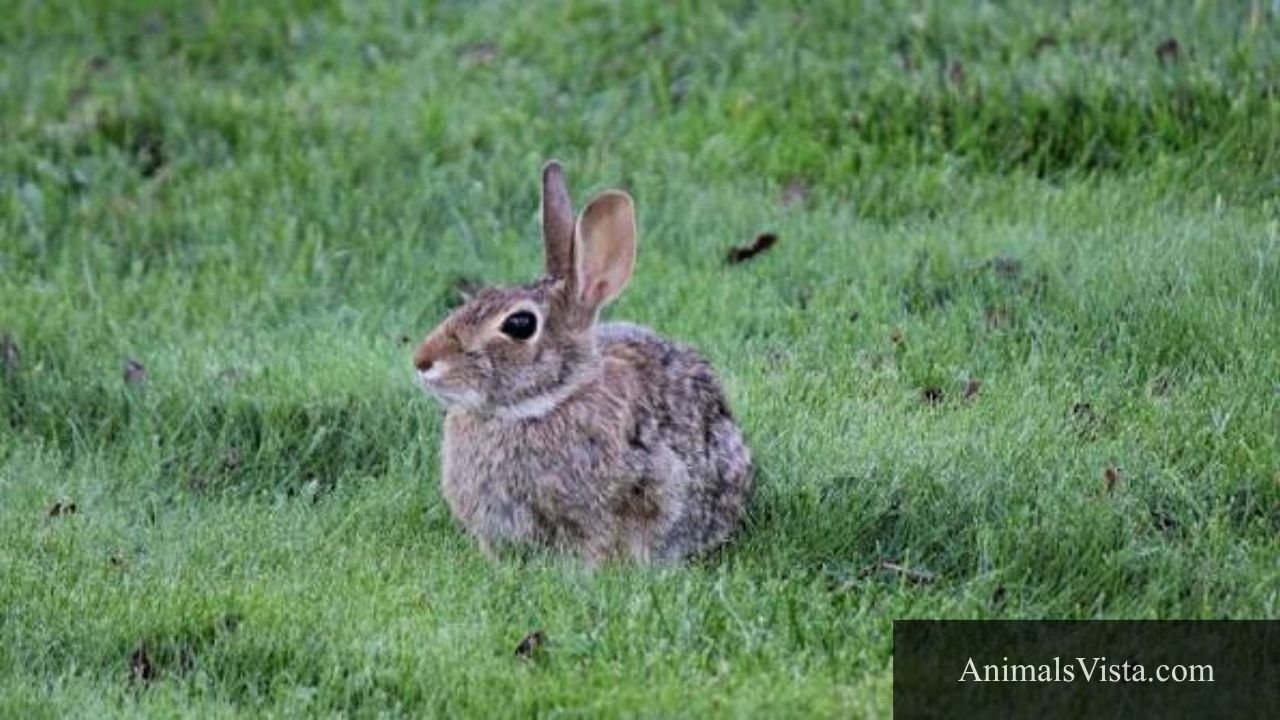
The way we interact with rabbits can either alleviate or exacerbate their anxiety levels. Providing them with hiding spots and safe spaces fosters a sense of security, allowing them to explore at their own pace. Additionally, understanding their body language can pave the way for a deeper bond; a thumping foot or flattened ears signals discomfort or fear. By creating a calm environment and respecting their boundaries, we can transform a rabbit’s anxious nature into a more relaxed demeanor, revealing the joyful and curious personality that often lies hidden beneath the surface. The journey of nurturing an anxious rabbit can teach us much about empathy and patience, highlighting that sometimes the softest creatures harbor the most complex emotional landscapes.
Deer
Scientific Name: Cervidae
Class: Mammalia
Diet: Herbivore
Deer, often perceived as serene forest dwellers, reveal a complex tapestry of anxiety beneath their graceful exteriors. Their acute senses are finely tuned to detect potential threats, making them hyper-aware of their surroundings. This constant vigilance can lead to an intriguing paradox: while they embody tranquility as they graze in meadows, even the slightest rustle can send them bounding away in panic. This responsiveness speaks to a survival instinct shaped by millennia of evolution, highlighting how even the most elegant creatures are molded by the weight of predation.
The social dynamics within deer herds add another layer of anxiety. Young fawns often rely on herd members for protection, yet they may also feel pressure to conform to the group’s movement patterns. This can create tension, especially when new members are introduced or during seasonal migrations. The emotional nuances of deer extend beyond fear; they exhibit behaviors that suggest a deeper understanding of their environments and social structures, prompting us to re-evaluate what it means to thrive in the wild. By observing these anxious behaviors, we gain insights into resilience and adaptability — qualities that resonate with our own human struggles and adaptations in a fast-paced world.
Ferrets
Scientific Name: Mustela putorius furo
Class: Mammalia
Diet: Carnivore
Ferrets, often underestimated as cuddly companions, exhibit a wide spectrum of anxiety-driven behaviors that highlight their complex emotional landscape. These playful yet sensitive creatures thrive in environments that offer security and stimulation. When introduced to unfamiliar settings or loud noises, ferrets may display signs of stress such as frantic digging or even hiding. Understanding the root of these anxious tendencies can provide insights into their social nature, as ferrets are inherently communal animals that crave interaction with both humans and fellow ferrets for reassurance.
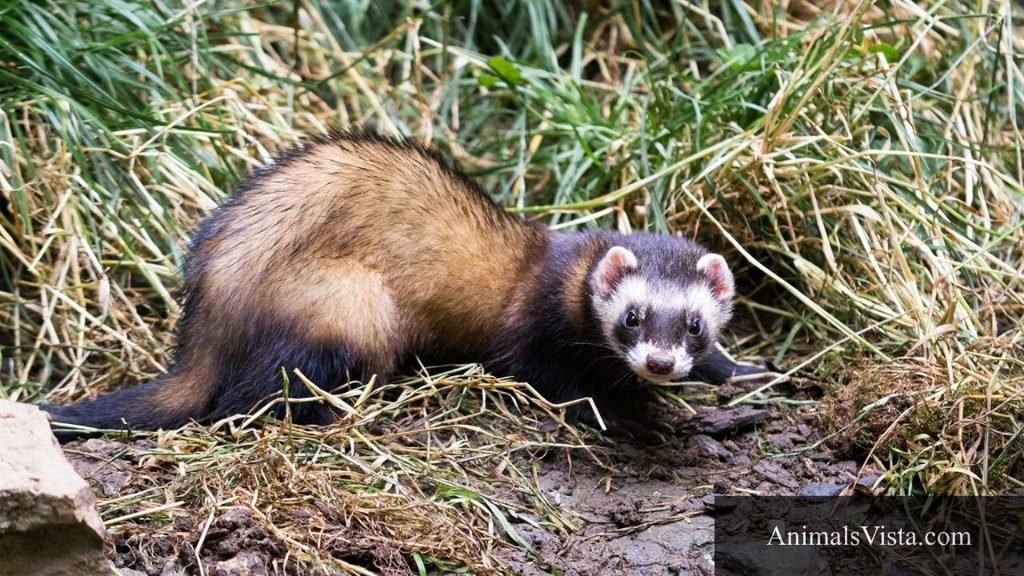
Their anxiety can be mitigated through tailored environments that cater to their instinctual behaviors. Enrichment activities — such as puzzle toys, tunnels, and safe exploration spaces — can transform their anxious energy into curiosity-driven play. Additionally, recognizing the nuances of their body language is essential: a ferret that rolls onto its back may seem playful, but this position can also signify vulnerability and unease. By fostering a space that promotes exploration while offering solace, we can help these nimble creatures flourish, turning their inherent anxiety into a path for growth, connection, and joy.
Cats
Scientific Name: Felis catus
Class: Mammalia
Diet: Carnivore
Cats, often perceived as aloof and independent, can experience profound anxiety that forms a deeper bond between them and their owners. Unlike humans, whose emotional expressions manifest through verbal communication, cats exhibit their anxiousness through subtle body language — flattened ears, tucked tails, and sudden, darting glances. Understanding these signals is crucial; an anxious cat may retreat to a favorite hiding spot, seeking solace in familiar scents and secure boundaries. This behavior reflects their instinctual need for safety, reminding us that even the most enigmatic creatures have vulnerabilities.
Interestingly, the source of their anxiety often stems not from external threats but from changes in their environment or routine. A new piece of furniture, a shift in household dynamics, or even the addition of a new pet can disrupt their sense of security. By observing and respecting their need for stability, owners can create a more nurturing atmosphere. Incorporating calming elements such as pheromone diffusers or safe spaces can significantly reduce feline stress and encourage a more resilient emotional state. In understanding and addressing their anxious behaviors, we not only foster healthier, happier lives for our cats but also deepen the emotional bonds we share with them.
Mice
Scientific Name: Mus musculus
Class: Mammalia
Diet: Omnivore
Mice may often be perceived as mere nuisances in urban environments, but their emotional world is rich and complex. These small creatures experience anxiety in response to predators, environmental changes, and even social dynamics within their colonies. Imagine a tiny mouse sprinting through a maze, not just to find food but to evade unseen threats; their survival instincts are finely tuned, revealing a life shaped by relentless stressors.
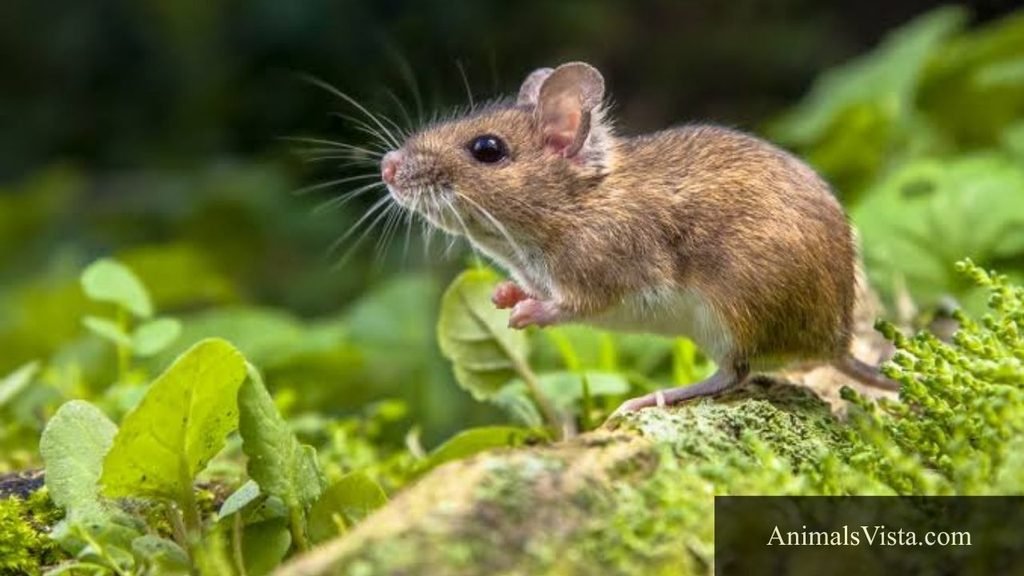
Interestingly, studies have shown that mice exhibit behaviors that indicate fear and anxiety, such as freezing in place, excessive grooming, or vocalizing distress. Their responses can mirror those of humans facing anxiety, suggesting a deep-seated empathic bridge across species. Scientists have even discovered that when housed in enriched environments — full of toys, tunnels, and opportunities for social interaction — mice demonstrate decreased anxiety levels, highlighting how nurture can significantly impact well-being. This understanding not only sheds light on the mental lives of these often-overlooked animals but also emphasizes the importance of creating supportive, engaging habitats to foster their happiness and reduce stress.
Squirrels
Scientific Name: Sciuridae
Class: Mammalia
Diet: Omnivore
Squirrels, often seen darting through parks, epitomize perpetual anxiety in the animal kingdom. Their rapid movements and twitching tails aren’t merely expressions of excitement; they reflect a deep-seated vigilance against predators. Unlike larger animals, squirrels have evolved to adopt a high-risk, high-reward strategy in their foraging behavior. Their unique method of “scatter hoarding” — stashing food in various locations — serves not only as a survival tactic but also as a way to alleviate the anxiety of unpredictability in their environment.
Studies have shown that squirrels can recognize human faces and remember those who pose a threat, demonstrating an impressive cognitive ability that further explores their anxious behaviors. A squirrel’s jittery demeanor becomes almost endearing when one realizes it’s a survival mechanism honed over millennia. In urban settings, these creatures navigate a labyrinth of danger, from honking cars to towering pets, all while mastering their acrobatic escapades across the treetops. By observing their frantic yet calculated movements, we can appreciate not only the struggles of these anxious animals but also their remarkable resilience in adapting to an increasingly chaotic world.
Sheep
Scientific Name: Ovis aries
Class: Mammalia
Diet: Herbivore
Sheep harbor a surprising depth of anxiety that stems from both their social structure and inherent vulnerabilities. As flock animals, their well-being is intricately linked to the group; a single distressed member can send ripples of panic through the entire herd. This shared anxiety manifests in behaviors such as fleeing from perceived threats, a response that is instinctive yet often exaggerated in domestic settings. For instance, even minute disturbances, like the rustling of leaves or a sudden movement, can trigger overwhelming fear, leading to frantic escapes or disarray within the flock.
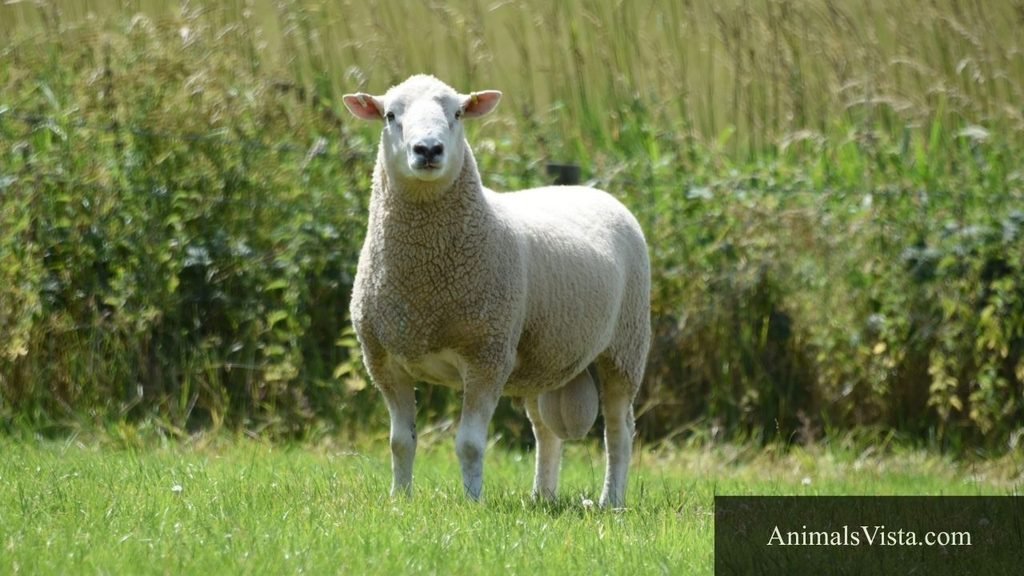
What’s particularly fascinating is the impact of human interaction on their anxious tendencies. Sheep are not merely passive creatures; they display varied personalities, and some individuals can be notably more skittish than others. This variability suggests that, much like humans, their fear responses can be shaped by experience and environment. Shepherds who employ calm handling techniques can reduce flock anxiety, leading to a more harmonious existence in agricultural settings. Understanding these nuanced behaviors opens up a world of empathy for these animals, inviting us to consider the delicate balance between their natural instincts and the pressures of domestication.
Foxes
Scientific Name: Vulpes vulpes
Class: Mammalia
Diet: Omnivore
Foxes, often viewed as clever and adaptive creatures, experience anxiety just like many other animals. In the wild, their anxious behavior is frequently linked to their survival instincts. For example, urban foxes have had to adapt to increasing human presence, which can lead to heightened stress levels. These clever canines navigate a landscape filled with potential threats, from cars to curious pets, making their anxiety an intricate part of their daily existence.
The social dynamics within fox families can amplify these feelings. A dominant pair often leads, while younger members can exhibit behaviors reminiscent of anxiety, especially during mating seasons or territorial disputes. This social hierarchy can be both a source of protection and a cause of stress, illustrating how the pressures of their environment influence not only survival but also psychological well-being. Observing these creatures in their natural settings, we can glean insights into the complexities of animal emotions, revealing that even the seemingly confident fox harbors its own set of anxieties beneath that bushy tail.
Cheetahs
Scientific Name: Acinonyx jubatus
Class: Mammalia
Diet: Carnivore
Cheetahs, the fastest land animals, often embody grace and power as they sprint through the savannah. Yet, beneath their sleek exterior lies a surprising vulnerability: elevated anxiety levels that can impact their hunting success and overall well-being. Unlike other big cats, cheetahs are solitary by nature and rely on a heightened state of alertness to navigate their expansive territories. This constant vigilance can lead to chronic stress, making them more susceptible to illness and reducing their reproductive success.
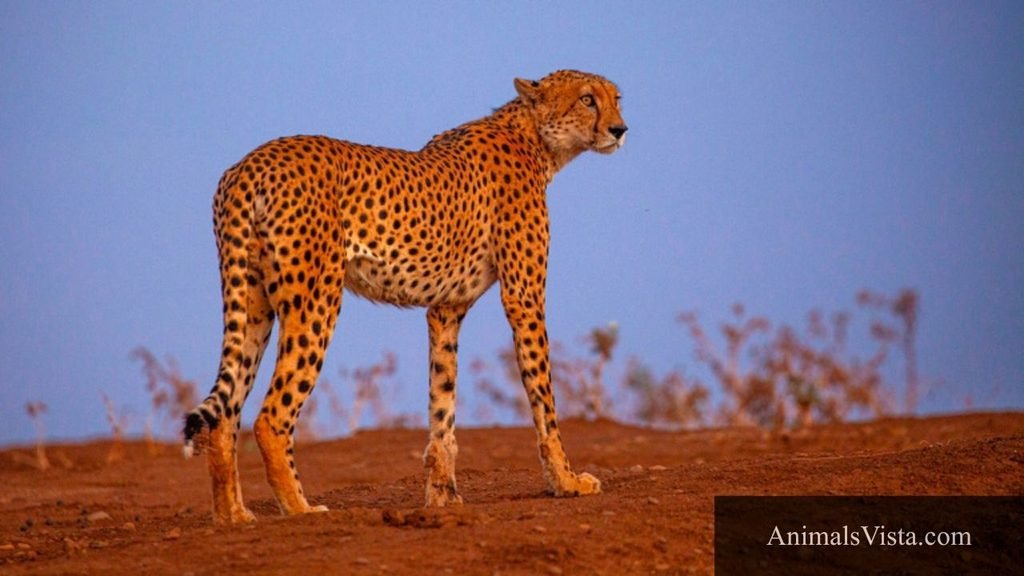
Their anxiety manifests not just in the wild but also in captivity. When housed in zoos, cheetahs often exhibit stereotypical behaviors such as pacing, which are signs of distress. Enrichment programs designed to mimic their natural environment promise a solution, fostering mental stimulation and security that can help alleviate their anxious tendencies. Understanding this facet of cheetah behavior opens up a conversation about wildlife conservation, emphasizing the need for environments that cater to their instincts — an endeavor that not only enriches cheetah lives but also educates the public on the intricacies of these magnificent creatures.
Dogs
Scientific Name: Canis lupus familiaris
Class: Mammalia
Diet: Omnivore
Dogs can be surprisingly anxious creatures, grappling with a range of fears from loud noises to separation anxiety. Each dog exhibits unique signs of distress; some may hide, while others become excessively vocal or destructive. Understanding the root of their anxiety is crucial for owners who want to foster a more secure environment. Recent studies suggest that a dog’s anxiety can stem not just from past trauma but also from genetic predispositions and their day-to-day experiences, making it a complex interplay of nature and nurture.
What often goes unnoticed is how anxiety can manifest in social interactions. A nervous dog may avoid mingling with other pets or people, which can create a cycle of isolation that exacerbates their stress. Owners can actively combat this by employing techniques like desensitization and counter-conditioning, gradually exposing their dogs to anxiety-inducing situations in a controlled manner. Moreover, the rise of dog-specific therapeutic practices, including canine massage and aromatherapy, provides alternative avenues for relieving anxiety, highlighting the importance of adopting a holistic approach to canine mental well-being. Embracing these strategies can not only improve a dog’s quality of life but also enrich the bond between human and canine companions.
Horses
Scientific Name: Equus caballus
Class: Mammalia
Diet: Herbivore
Horses are remarkable creatures, yet their inherent anxiety can be surprising. Rooted in their evolutionary history as prey animals, their sensitive nervous systems are finely tuned to detect subtle changes in their environment. This heightened awareness means that even the slightest shift in wind or the distant sound of thunder can trigger a flight response. Understanding this primal instinct is essential for anyone who interacts with horses, as it allows us to empathize with their often-overlooked emotional landscape.
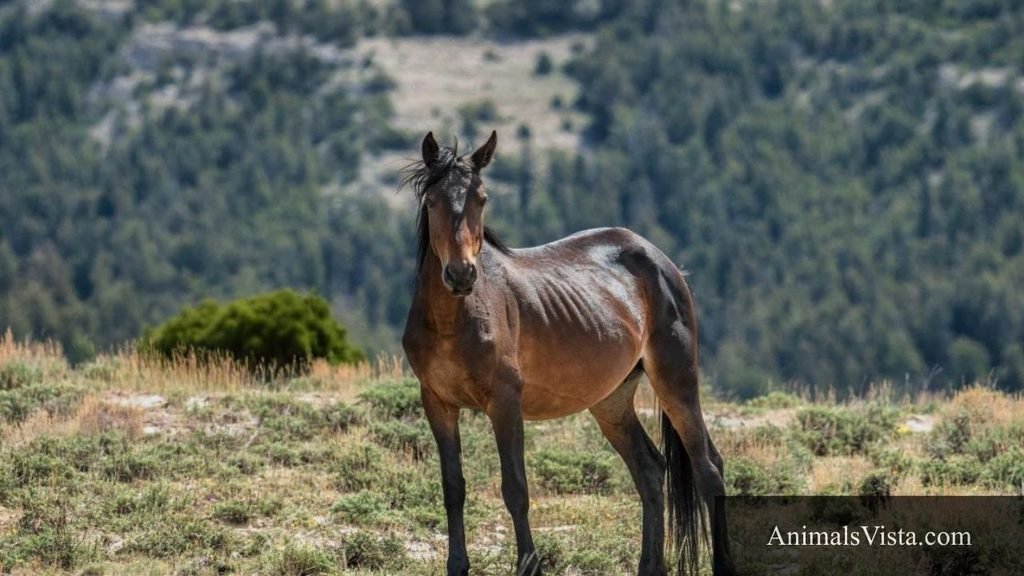
Interestingly, the bond between horses and humans plays a crucial role in managing their anxiety. Techniques such as mindfulness training, desensitization, and positive reinforcement can significantly help these majestic animals feel more secure. Establishing trust and creating a stable routine transforms the horse’s view of the world, allowing them to navigate life with greater confidence. As caretakers, we have the unique opportunity not just to train them, but to advocate for their mental well-being, fostering a relationship built on empathy and understanding in a world that can often be overwhelming for them.
Read More: Explore Top 23 Most Skinny Animals
Final Words
Anxiety among animals is not just a natural occurrence but a signal for us to examine our relationship with the environment. The various factors contributing to their stress, including human activity and habitat loss, necessitate immediate attention and action. By fostering empathy and creating safer habitats, we can aid in reducing the anxiety levels of these creatures. Supporting organizations committed to wildlife rehabilitation and conservation is one step we can take to make a difference. Together, let’s pave the way for a more harmonious coexistence with the anxious animals who share our planet.
FAQs
What animal has the highest anxiety?
Many studies suggest that domesticated pets, particularly dogs, often experience significant anxiety, especially in stressful environments. Dogs can display signs of separation anxiety, which manifests in behaviors like excessive barking, chewing, or destruction when their owners leave. In the wild, certain prey animals like rabbits and deer are also known for high levels of anxiety. Their survival often depends on their ability to detect threats quickly, making them naturally more skittish.