
Top 6 Animals That Are Deaf (Pictures Included)
Animals that are deaf may seem vulnerable, but many have adapted in remarkable ways to thrive in their environments. Understanding how these creatures navigate their worlds without sound not only broadens our appreciation for animal resilience but also highlights the diversity of nature. In this article, we’ll explore various species that are deaf, their unique adaptations, and what we can learn from them.
List of Animals That Are Deaf:
Below is the list of animals that are deaf:
- Salamanders
- Armadillos
- Earless Seals
- Spiders
- Cephalopods
- Naked Mole-Rats
Salamanders
Scientific Name: Caudata
Class: Amphibia
Diet: Carnivore
Salamanders present a unique twist on the concept of deafness in animals. Unlike many other species known for their acute hearing, salamanders lack an external ear structure and possess a limited auditory system. This absence of advanced hearing capabilities forces them to rely on alternative sensory modalities, primarily their keen sense of smell and their ability to detect vibrations through the ground. This adaptation ensures they can still communicate and navigate their often murky habitats, proving that survival takes many forms.
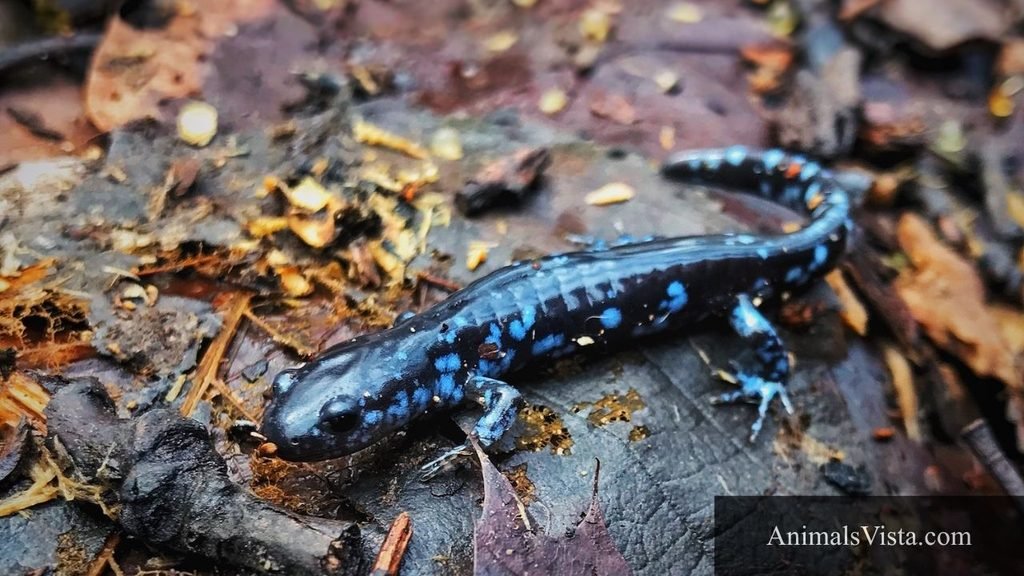
Furthermore, being effectively “deaf” allows salamanders to mute the chaos of their environments, honing their focus on subtle cues vital for hunting and avoiding predators. Their reliance on chemical signals for mating rituals showcases an intriguing evolutionary trait; rather than relying on sound, these amphibians have developed a sophisticated method of communication that ensures reproductive success despite their hearing limitations. In a world where sound often reigns supreme, salamanders remind us of the diversity of life and the myriad ways that organisms adapt to thrive in their unique niches.
Armadillos
Scientific Name: Cingulata
Class: Mammalia
Diet: Omnivore
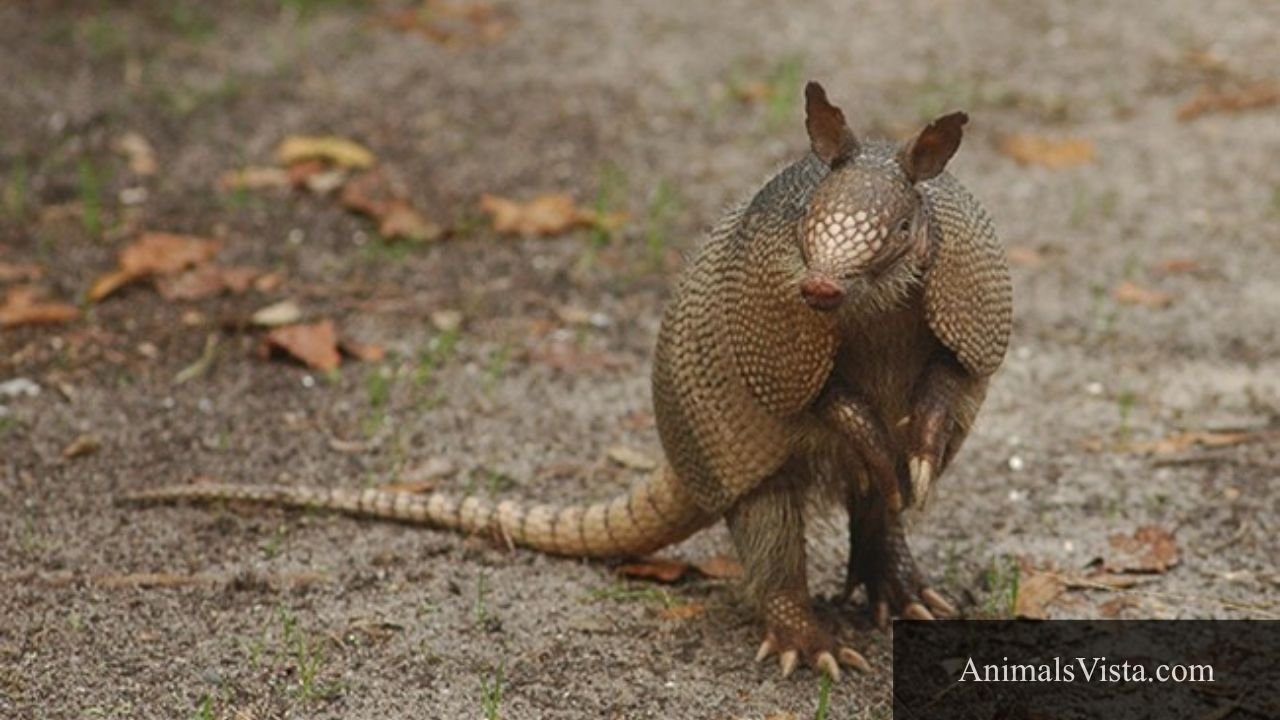
Armadillos, with their distinctive armor-like shell, often surprise us with their unique adaptations, including a notable lack of hearing — a characteristic that shapes how they navigate their world. Unlike many mammals, armadillos rely heavily on their sense of smell and keen tactile abilities to compensate for their deafness. This evolutionary trade-off allows them to thrive in diverse habitats, from grasslands to forests, where they forage for insects and grubs hidden beneath the soil.
Interestingly, the absence of acute hearing fosters an intriguing survival strategy. When threatened, instead of relying on sound cues to evade predators, the nine-banded armadillo has developed a quick reflex: it often jumps straight up, an instinctive reaction that may startle would-be attackers. This unexpected leap, coupled with their armored shell, lends them a quirky charm in the wild. Moreover, the armadillo’s unique method of digging, using its powerful claws, allows it to efficiently locate food underground — essentially transforming a perceived disadvantage into a powerful asset in a world filled with auditory competition.
Earless Seals
Scientific Name: Phocidae
Class: Mammalia
Diet: Carnivore
Earless seals possess a fascinating adaptation to their aquatic lifestyle that renders them largely deaf. Unlike their pinniped cousins, they lack external ear structures, which might lead one to assume that their auditory abilities are limited. However, these remarkable creatures have evolved to thrive without the typical reliance on sound. Instead, they communicate through a combination of visual cues and body language, fostering strong social bonds within their colonies.

Their environment influences their unique methods of interaction; underwater, vibrations travel differently than through air. This adaptation allows earless seals to perceive subtle shifts in their surroundings and navigate the depths with remarkable precision. While they may be deaf in the traditional sense, their heightened sensitivity to movement and other environmental cues levels the playing field, enabling them to evade predators and locate prey. Observing how earless seals have adapted to their limitations not only sheds light on the resilience of nature but also challenges our preconceived notions of communication and intelligence in the animal kingdom.
Spiders
Scientific Name: Araneae
Class: Arachnida
Diet: Carnivore
While spiders may not be renowned for their auditory prowess, the truth is that many species have evolved to thrive without the conventional sense of hearing. Instead of relying on sound, spiders primarily utilize vibrations as their primary means of perception. Their specialized sensory organs, often found on their legs, can detect minute vibrations in their environment, allowing them to sense nearby prey or potential threats. This vibration sensitivity transforms their world into a tapestry of oscillations, where danger and opportunity can be detected long before the eye can see.
Interestingly, this adaptation underscores a broader theme of survival in the animal kingdom. In some cases, spiders can even “feel” vibrations from several meters away, showcasing a remarkable level of environmental awareness that many animals with hearing might envy. This reliance on vibrations rather than sounds reflects the diverse strategies that creatures have developed to navigate their surroundings. Instead of chasing after sounds, spiders silently exploit their surroundings, weaving webs and ensnaring prey, all while remaining acutely aware of any movement nearby. In a way, their silence amplifies their predatory skills, highlighting that sometimes, not hearing can be just as advantageous as hearing itself.
Cephalopods
Scientific Name: Cephalopoda
Class: Cephalopoda
Diet: Carnivore
Cephalopods, including octopuses, squids, and cuttlefish, are remarkable not just for their intelligence and adaptability but also for their unique sensory adaptations, which include a lack of traditional hearing. These creatures rely heavily on a combination of visual cues and chemical signals to navigate their environments and communicate with one another. While most marine animals perceive sound through vibrations in water, cephalopods have evolved to prioritize other senses, effectively sidestepping the need for auditory processing in their complex underwater world.
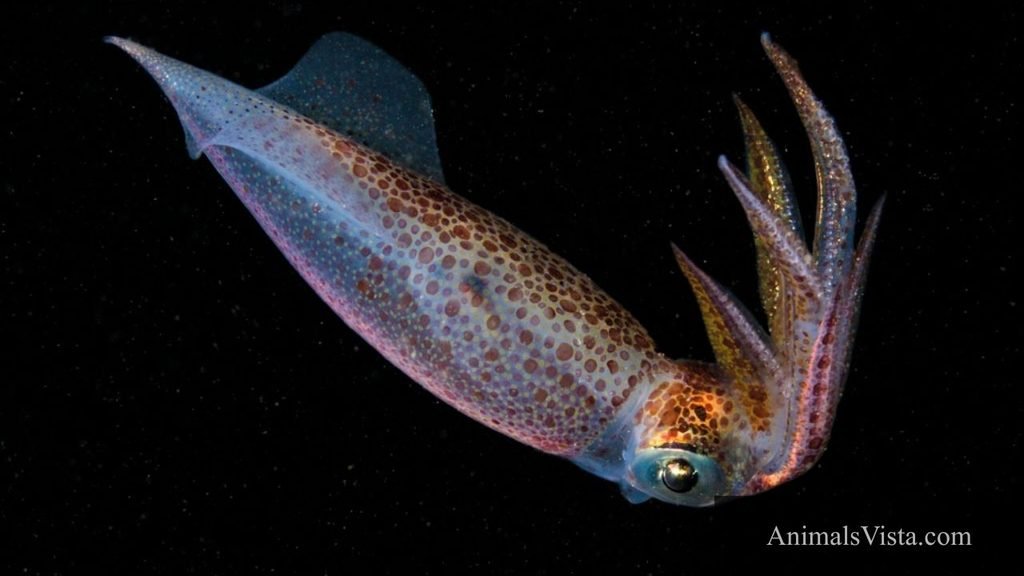
What’s fascinating is how this sensory adaptation allows cephalopods to thrive in their habitats. Their exceptional eyesight, particularly in low-light conditions, combined with chromatophores that enable color-changing camouflage, makes them masters of stealth. Inhabiting diverse marine environments, these animals showcase an extraordinary ability to interpret visual signals, fostering intricate interactions with both predators and prey. This lack of hearing not only highlights an evolutionary trade-off but also emphasizes how cephalopods have carved out a niche for themselves in the vast ocean, proving that hearing isn’t a prerequisite for survival in their captivating underwater realm.
Naked Mole-Rats
Scientific Name: Heterocephalus glaber
Class: Mammalia
Diet: Herbivore
Naked mole-rats present an intriguing case in the animal kingdom, particularly with their unique adaptation to a life devoid of sound. Living in the subterranean tunnels of East Africa, these remarkable creatures have evolved a lifestyle where sight and smell are far more critical than hearing. Interestingly, their social structure plays a vital role in compensating for this lack of auditory ability; they communicate through a complex system of vibrations and touch. The sense of community is so strong that these creatures thrive in large colonies, where each member contributes to the survival and well-being of the group, showcasing a different form of cooperation that defies traditional animal hierarchies.
Furthermore, research has shown that the absence of hearing doesn’t hinder their survival or social bonding. Naked mole-rats rely on pheromones and tactile signals to navigate their environment and maintain social connections. This adaptation raises fascinating questions about the evolutionary significance of communication; it challenges our conventional views on the necessity of hearing in complex social interactions. By thriving in darkness and silence, naked mole-rats illuminate the incredible diversity of life strategies, reminding us that evolution can carve out a niche in even the most unexpected ways.
Read More: Explore Top 25 Most Quiet Animals in the World
Final Thoughts
Deafness in animals is a fascinating topic that highlights the incredible diversity of adaptations in the animal kingdom. While some species are born without the ability to hear, others may lose their hearing due to age or environmental factors. Understanding the challenges and mechanisms these animals face can lead to better care and conservation efforts. Moreover, it reminds us of the importance of creating inclusive environments for all creatures, regardless of their abilities. Let us work together to raise awareness and support initiatives that protect these unique animals.
FAQs
Are dolphins deaf?
No, dolphins are not deaf. In fact, they have excellent hearing abilities, especially underwater. They can detect a wide range of sounds and use echolocation to navigate and hunt for food. This means they can interpret sounds and locate objects by bouncing sound waves off them.
What animal is famously deaf?
While many animals have varying degrees of hearing, some are effectively deaf in certain contexts. Cephalopods, such as octopuses and squids, lack traditional ears and do not hear in the way most terrestrial animals do. Instead, they rely on other senses to interact with their environment. Naked mole-rats, on the other hand, are known for their underground lifestyle and low light conditions. They primarily communicate through vibrations and scents rather than relying heavily on sound.