
Top 19 Most Muscular Animals in the World (Images Included)
The animal kingdom is home to some remarkably strong creatures, showcasing sheer power and physical prowess that can leave us humans in awe. In this article, we’ll explore the most muscular animals on the planet, diving into their impressive adaptations and roles in their ecosystems. By the end, you’ll not only be amazed by their strength but also gain insights into how these extraordinary adaptations benefit their survival.
List of Most Muscular Animals in the World:
Below is the list of most muscular animals in the world:
- Mountain Gorilla
- Belgian Blue
- Indian Bison
- Boer Goat
- African Elephant
- Bulldog
- American Bison
- Chimpanzee
- Rhinoceros
- Draft Horse
- Musk Ox
- Red Kangaroo
- Grizzly Bear
- Green Anaconda
- Hippopotamus
- Beluga Whale
- Tiger
- Giraffe
- Lion
Mountain Gorilla
Scientific Name: Gorilla beringei beringei
Class: Mammalia
Diet: Herbivore
The mountain gorilla, a subspecies of the eastern gorilla, epitomizes raw strength masked by a gentle demeanor. Standing up to six feet tall and weighing over 400 pounds, these majestic creatures showcase muscle definition that rivals the most rigorously trained athletes. Upon close observation, one can appreciate the remarkable combination of power and grace in their movements — whether they are navigating steep, rugged terrains or simply lounging in the greenery of their habitat.

What makes the muscular build of the mountain gorilla particularly fascinating is its evolutionary context. Adapted to thrive in the dense forests and rugged mountains of central Africa, their formidable physique enables them to climb, forage, and defend their territory while carrying the weight of their own survival. Furthermore, studies reveal that their muscles operate differently than those of many other species; they are primarily designed for explosive strength rather than endurance, allowing them to exhibit impressive displays of power in short bursts. As conservation concerns rise, there’s a poignant reminder in the mountain gorilla’s story: strength is not just about muscles, but also the resilience needed to adapt and thrive in an ever-changing world.
Belgian Blue
Scientific Name: Bos taurus
Class: Mammalia
Diet: Herbivore
The Belgian Blue is a remarkable specimen in the animal kingdom, renowned for its extraordinary muscularity. Bred primarily for beef production, this breed’s physique is a result of a genetic mutation known as double muscling, which causes their muscles to grow larger and denser than in typical cattle. This unique trait not only enhances their meat quality but also results in an imposing appearance that captivates livestock enthusiasts and farmers alike.
Beyond their striking appearance, the Belgian Blue’s muscular build brings with it various implications for farming practices. Their robust frame allows for efficient feed conversion, making them not only profitable for producers but also increasingly attractive for sustainable farming. Furthermore, their muscularity raises questions around animal welfare; while their physical form is awe-inspiring, it necessitates attention to breeding practices to ensure the health and comfort of these animals. As we delve deeper into the characteristics that define this fascinating breed, we gain a comprehensive understanding of their role within the agricultural landscape and the ethical considerations that accompany such specialized breeding.
Indian Bison
Scientific Name: Bos gaurus
Class: Mammalia
Diet: Herbivore
The Indian bison, or gaur, stands as a powerful emblem of strength in the animal kingdom. With its muscular build and imposing stature, this herbivore can weigh over 2,000 pounds and stand nearly six feet tall at the shoulder. Beyond their brawn, gaurs possess striking features, such as their large, curved horns and dark, glossy coats, which not only enhance their majestic appearance but also provide effective camouflage in the dense forests of their natural habitat.

Despite their size, Indian bisons are surprisingly agile and swift, capable of maneuvering through rugged terrain with ease. This impressive combination of power and grace is a result of their herbivorous diet, primarily consisting of tough grasses and leaves, which demands strong jaws and powerful limbs for efficient foraging. Endangered due to habitat loss and poaching, the Indian bison serves as a vital reminder of the delicate balance within ecosystems and the sheer resilience of nature. Understanding their role in the environment sheds light on the interconnectedness of all species and the importance of conservation efforts for these magnificent creatures.
Read More: Explore Top 17 Thickest Skin Animals In The World
Boer Goat
Scientific Name: Capra hircus
Class: Mammalia
Diet: Herbivore
The Boer goat stands out not just for its impressive musculature but also for its remarkable versatility as a breed. Originally developed in South Africa for meat production, these goats boast a muscular build that allows them to thrive in a variety of environments. This adaptability is one reason why they’ve garnered a global following among farmers and livestock enthusiasts alike. The Boer goat’s robust frame translates into high-quality meat, rich in flavor, making it a favorite in culinary circles.
Beyond their physical prowess, Boer goats are known for their gentle disposition and friendly nature, making them excellent companions for both novice and seasoned goat owners. This blend of brawn and temperament contributes to their increasing popularity in homesteading and farming communities. Furthermore, the breed’s ability to efficiently convert forage into muscle mass highlights their efficiency as sustainable livestock, offering an eco-friendly option for meat production. The Boer goat’s presence revitalizes conversations around responsible farming and animal husbandry, paving the way for practices that prioritize both productivity and welfare.
African Elephant
Scientific Name: Loxodonta africana
Class: Mammalia
Diet: Herbivore
The African elephant, often celebrated for its size and intelligence, embodies muscularity in both its physical presence and sheer power. With males weighing up to 12,000 pounds and standing about 13 feet tall at the shoulder, this magnificent creature showcases muscles designed for endurance and strength. From their heavily muscled trunks, which can lift over 300 pounds, to their formidable tusks that can be used not just for defense but also for digging up roots and stripping bark from trees, every feature serves a purpose.

Beyond their impressive physicality, African elephants exhibit remarkable adaptability. Their muscular frames support a nomadic lifestyle, enabling them to traverse vast distances in search of food and water across varied terrains. This incredible strength also plays a vital role in their social structures; elephants engage in complex interactions within their herds, using their muscles not only for survival but also to express emotions and forge bonds. As we explore the world of the African elephant, it’s clear that their muscularity is a testament not just to power, but to an intricate tapestry of social and environmental relationships.
Bulldog
Scientific Name: Canis lupus familiaris
Class: Mammalia
Diet: Carnivore
The bulldog is a prime example of muscularity combined with an undeniable charm. Contrary to the typical perception of these dogs as primarily companions, their physical prowess is rooted in a rich history as bull-baiting dogs. This background has contributed to their robust musculature, especially in the chest and shoulders, designed to endure physical challenges while showcasing impressive strength.
Beyond their powerful physique, bulldogs possess a surprising level of agility. Despite their stocky appearance, they’re surprisingly quick and can showcase bursts of energy when motivated. This agility, combined with their unwavering loyalty and protective instincts, makes them not just muscular animals but also devoted guardians. Their unique blend of strength, resilience, and personality is a reminder that true muscle isn’t just about size — it’s also about heart.
American Bison
Scientific Name: Bison bison
Class: Mammalia
Diet: Herbivore
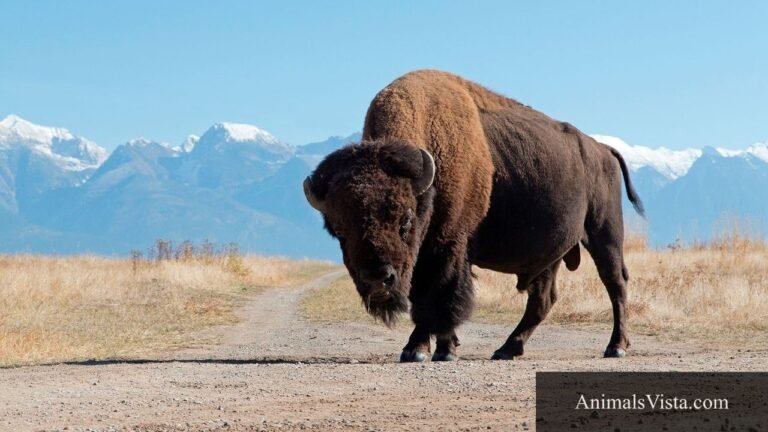
The American Bison embodies raw power and resilience in its massive frame. Weighing up to 2,000 pounds, males sport thick, muscular bodies that enable them to navigate the rugged landscapes of North America with surprising agility. This muscularity serves a vital purpose; these beasts possess immense strength, which they rely on to fend off predators and establish dominance within their herds. Their impressive shoulders and muscular forequarters are not just for show; they play a critical role during the winter months when they use their bulk to plow through heavy snow in search of grazing pastures.

Beyond their physicality, American Bison are a symbol of endurance, having adapted to harsh environments throughout the centuries. Their sheer size belies a gentle nature, as they graze peacefully on grasses, promoting the health of their ecosystem. These majestic animals highlight a fascinating duality within nature: strength coupled with nourishment. As the bison population steadily recovers from near extinction, they remind us of the importance of biodiversity and ecological balance, pushing us to appreciate the muscular elegance of this iconic species in a new light.
Chimpanzee
Scientific Name: Pan troglodytes
Class: Mammalia
Diet: Omnivore
Chimpanzees are often regarded as one of the most muscular animals relative to their size, boasting incredible strength that belies their playful demeanor. With muscles that account for about 60% of their body mass, they can lift and throw objects many times their weight, showcasing both brute force and agility. Their robust upper bodies, paired with powerful arms, allow them not only to swing through trees with ease but also to engage in displays of strength during social interactions.
What makes chimpanzees particularly fascinating is their diverse range of physical capabilities. They can perform impressive feats such as smashing open tough nuts with stones or even using tools to acquire food. This strength, combined with their intelligence, demonstrates that muscle isn’t just about raw power; it’s also about precision and strategy. Watching a chimp navigate its environment reveals a compelling blend of muscle and mental acuity, challenging our perceptions of what it means to be strong in the animal kingdom.
Rhinoceros
Scientific Name: Rhinocerotidae
Class: Mammalia
Diet: Herbivore
The rhinoceros stands as a testament to raw power and resilience in the animal kingdom. Weighing up to 5,000 pounds, these magnificent creatures are built like living tanks, with thick, armored skin and formidable horns that can measure over three feet long. Their muscular build is not merely for show; it enables them to thrive in their environments, from dense jungles to open savannas. Unbeknownst to many, rhinos are surprisingly nimble despite their bulk, capable of charging at speeds up to 30 miles per hour when threatened.

Beyond their physical prowess, rhinoceroses possess a fascinating social structure. They often engage in behavior that showcases their strength, such as sparring with one another, which can involve impressive displays of dominance. Their muscularity serves a crucial role in deterring predators, but it also underpins their status in the delicate balance of their ecosystems. By understanding the rhino’s muscular makeup, we gain insights into their role as herbivores that help shape the landscape, promoting biodiversity and sustaining other wildlife. This complexity invites us to appreciate the rhinoceros not only as a symbol of strength but as a vital contributor to ecological health.
Draft Horse
Scientific Name: Equus caballus
Class: Mammalia
Diet: Herbivore
The Draft Horse, often associated with strength and endurance, represents a remarkable intersection of power and grace in the animal kingdom. Originally bred for heavy pulling tasks in agriculture and transportation, these equine giants possess a muscle mass and physical structure that allows them to exhibit extraordinary capabilities. The sheer size of a Draft Horse, often weighing between 1,600 and 2,400 pounds, showcases not only its formidable presence but also its well-defined musculature, which is essential for their workload.
What sets the Draft Horse apart is not just its muscular build but also its temperament. These horses are known for their gentle disposition and intelligence, making them not only reliable workers but also beloved companions. Their unique combination of strength and a calm demeanor allows them to excel in various roles beyond traditional labor, including therapy and recreational riding. Observing a Draft Horse in motion, whether trotting through a field or pulling a cart, reveals an elegance that belies its robust physique — an embodiment of nature’s perfect design for function and form.
Musk Ox
Scientific Name: Ovibos moschatus
Class: Mammalia
Diet: Herbivore
The musk ox, a remarkable creature that roams the Arctic tundra, embodies both strength and adaptability. Known for their thick, shaggy coats, these animals endure freezing temperatures that would challenge most other species. What is particularly striking about musk oxen is their unique social structure; they form tight-knit family groups that rely on each other for protection and foraging. This cohesion not only enhances their survival but also highlights their muscular adaptations, allowing them to navigate harsh environments effectively.

Muscular in both size and character, musk oxen can weigh up to 800 pounds, their powerful bodies supported by sturdy limbs. During the mating season, their sheer strength becomes even more evident in dramatic confrontations, where males engage in head-to-head battles, showcasing their robust horns and formidable builds. These displays of power are more than just a means of competition; they reflect a deep-seated instinct for preserving genetic legacy in an unforgiving landscape. By evolving to thrive in such extremities, the musk ox serves as a living testament to the resilience of nature and the intricate balance of life in the Arctic.
Red Kangaroo
Scientific Name: Osphranter rufus
Class: Mammalia
Diet: Herbivore
The red kangaroo is not just iconic for its unique hopping style but also for its surprisingly muscular physique. Weighing up to 200 pounds and standing more than six feet tall when fully extended, these marsupials possess an incredibly powerful body, particularly their hind legs. These legs are engineered for explosive speed and endurance, allowing them to travel great distances in search of food and water, while also maneuvering gracefully across rugged terrains. Their musculature serves not only as a means of mobility but also plays a critical role in their survival, providing them with the strength necessary to evade predators.
The red kangaroo’s muscular build is also a testament to evolution. In social settings, males engage in fierce bouts of ‘boxing,’ a ritual where they showcase their strength and agility to attract females. This display of power is not just an exhibition; it reflects the kangaroo’s fitness and genetic robustness, essential traits for mating success. Moreover, their strong, compact bodies help them adapt to the harsh, arid environment of Australia, allowing these tough marsupials to thrive where many other species might struggle. The red kangaroo exemplifies how strength and grace can coexist, making it a marvel of evolutionary adaptation and an enduring icon of resilience in the wild.
Grizzly Bear
Scientific Name: Ursus arctos horribilis
Class: Mammalia
Diet: Omnivore
The grizzly bear is a powerhouse of the animal kingdom, embodying strength and agility that often surprises those unfamiliar with its capabilities. Weighing up to 800 pounds, these magnificent creatures sport not only bulk but also incredible muscle definition, particularly in their forelimbs. This strength enables them to dig vigorously for roots, tear apart logs for insects, and even flip over heavy boulders in search of food. Observing a grizzly in its natural habitat highlights its impressive physicality, especially as it stands tall on its hind legs, showcasing the sheer muscularity that allows it to navigate rugged terrains with ease.

The grizzly’s muscular prowess isn’t solely for survival; it plays a critical role in its social interactions and territory defense. A display of strength can deter rivals and assert dominance during mating seasons. Furthermore, they possess a remarkable speed — able to sprint over short distances at 30 miles per hour — powered by their formidable musculature. This combination of strength and speed, paired with their keen intelligence, elevates the grizzly bear from mere brute force to a sophisticated predator capable of adapting to diverse environments, thus ensuring its place at the top of the food chain.
Green Anaconda
Scientific Name: Eunectes murinus
Class: Reptilia
Diet: Carnivore
The green anaconda, often hailed as the heaviest snake in the world, is a mesmerizing example of muscular prowess in the animal kingdom. Found primarily in the swamps and rivers of South America, this colossal serpent boasts an impressive girth and can weigh over 500 pounds. What sets the green anaconda apart is not just its sheer size, but its unique adaptation to its environment; its muscles are specifically evolved for a predatory lifestyle, allowing it to ambush prey with remarkable efficiency.
Their muscle composition allows them to exert immense constriction forces, enabling them to subdue prey much larger than themselves, such as deer and caimans. This ability is a testament to their evolutionary success, highlighting the intricate relationship between muscle development, habitat, and hunting strategy. Unlike many other large animals, the anaconda’s muscularity is coupled with a semi-aquatic lifestyle, giving it a fluidity that belies its bulk. Observing a green anaconda in action reveals not just brute strength, but a graceful, serpentine elegance that captures the imagination and challenges our perceptions of muscle in the wild.
Hippopotamus
Scientific Name: Hippopotamus amphibius
Class: Mammalia
Diet: Herbivore
The hippopotamus is a true marvel of muscular adaptation. Despite spending most of its life in water, this massive beast boasts one of the most powerful sets of jaws in the animal kingdom. With teeth measuring up to 20 inches long, these formidable weapons are not only designed for defense but also serve as tools for establishing dominance in both mating rituals and territorial disputes. It’s fascinating to consider how such immense power is carried by an animal that can glide gracefully through rivers and lakes.

Beyond the jaw and its incredible bite, hippos possess a solid musculature that supports their hefty bodies. Their skin, up to two inches thick, is not just for protection against sunburn but acts as a barrier against parasites, showcasing an evolutionary trait that strengthens the animal’s overall resilience. Hippos exhibit surprising agility, capable of running up to 19 miles per hour on land despite their bulky frame. This combination of speed, strength, and surprising grace makes the hippo a captivating example of muscular evolution in the animal kingdom, reminding us that true power often lies beneath a seemingly unassuming exterior.
Beluga Whale
Scientific Name: Delphinapterus leucas
Class: Mammalia
Diet: Carnivore
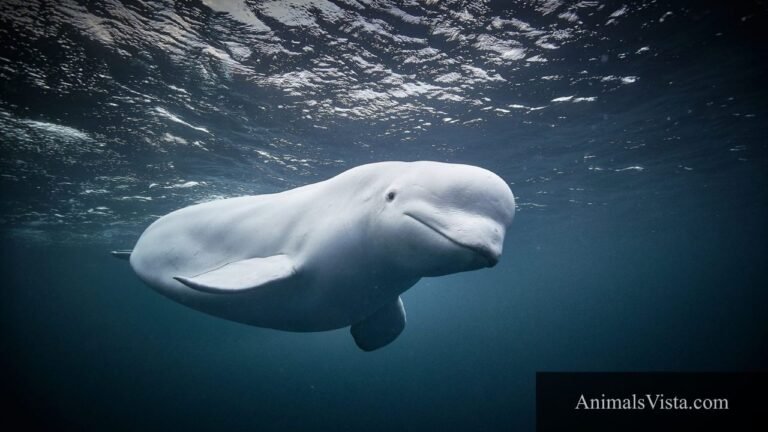
The Beluga whale, often dubbed the “canary of the sea,” not only captivates with its melodious vocalizations but also boasts a surprisingly muscular physique hidden beneath its smooth, white skin. Unlike the sleek bodies of many marine mammals, the Beluga’s robust structure allows it to thrive in icy Arctic waters, maneuvering with impressive agility despite its size. Weighing up to 1,500 pounds and measuring up to 18 feet long, these whales are designed for strength, utilizing their powerful blubber to maintain heat while navigating freezing environments.
One of the most fascinating aspects of the Beluga’s muscularity lies in its adaptability. These whales can dive to depths of over 2,000 feet, leveraging their strong flippers and tails to propel themselves with remarkable force. This impressive capability is complemented by their sociable nature, as Belugas often travel in pods, showcasing a dynamic interplay of strength and teamwork that enhances their hunting strategies. Observing Belugas in their natural habitat not only reveals their muscular prowess but also highlights their role as vocal communicators, blending physical strength with social intelligence in a captivating display of nature’s balance.
Tiger
Scientific Name: Panthera tigris
Class: Mammalia
Diet: Carnivore
The tiger, a symbol of strength and elegance, showcases a remarkable combination of power and agility. With its muscled physique, the tiger is built for both stealth and raw force, enabling it to take down prey much larger than itself. The sheer density of its muscles allows for explosive bursts of speed, essential for short sprints during hunts. Unlike many other big cats that rely solely on ambush tactics, the tiger’s muscular build provides the added advantage of stamina, allowing it to pursue its target over longer distances if necessary.

What truly sets the tiger apart, however, is its versatility. This apex predator adapts its hunting style based on the environment and available prey, using strength to scale rugged terrains or swim deftly across rivers. Its muscular structure is not just for show; it serves as a testament to its evolutionary prowess, enabling a unique blend of power and grace. This duality is what makes the tiger not only a fierce hunter but also a captivating subject of study, illustrating the intricate balance between form and function in the animal kingdom.
Giraffe
Scientific Name: Giraffa camelopardalis
Class: Mammalia
Diet: Herbivore
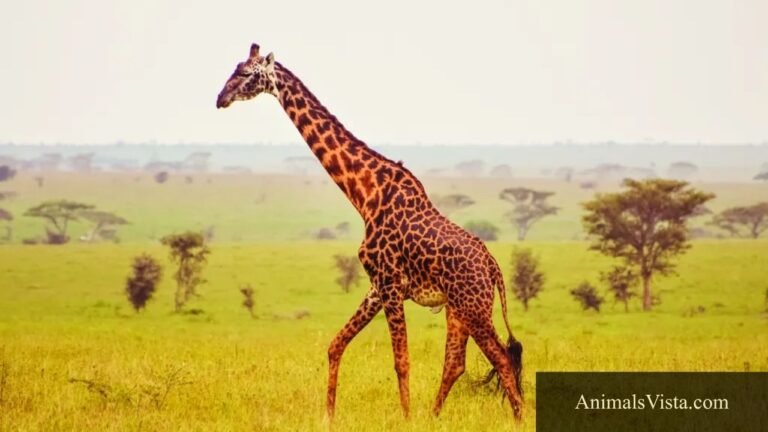
The giraffe, often celebrated for its towering height and graceful neck, is an underappreciated athlete of the animal kingdom. Despite their lanky appearance, giraffes possess remarkable muscular adaptations that enable them to thrive in their savanna habitats. Their long legs are not just for reaching high branches; they contain dense musculature that provides explosive power when needed, especially during swift escapes from predators. This muscular foundation supports a surprising agility, allowing these gentle giants to navigate uneven terrains with ease.
Giraffes exhibit strength beyond their sheer size. The muscle structure of their necks, which can weigh as much as 500 pounds, is a fascinating feat of evolution that optimizes not just for height, but also for combat in mating rituals. Males engage in intense necking battles, swinging their heads like hammers to assert dominance. This showcases not only their physical prowess but also highlights a unique aspect of muscular evolution — survival through competition rather than mere defense. In this way, the giraffe becomes a testament to the intricate balance of strength, agility, and strategy found in nature.
Lion
Scientific Name: Panthera leo
Class: Mammalia
Diet: Carnivore
The lion, often dubbed the “king of the jungle,” is not only renowned for its majestic mane and leadership qualities but also for its astonishing muscularity. These apex predators possess a well-defined physique tailored for power and agility — muscles that enable them to take down sizable prey with sheer strength. Their forelegs, in particular, are robust, allowing them to grapple with and immobilize prey efficiently, showcasing an evolutionary design that emphasizes both speed and strength.

Lions embody a social structure that enhances their muscular prowess. Living in prides allows lions to coordinate attacks, showcasing their strength not just individually but as a formidable unit. This social aspect adds layers to their muscular development; hunting cooperatively strengthens muscle groups in different ways than solitary predators. Moreover, the presence of a pride provides not just protection for young cubs but also motivates competitive behaviors, pushing adult lions to maintain their physique in a bid to assert dominance within the group. In this way, the muscularity of a lion serves a dual purpose — survival and social standing, a fascinating intertwining of body and behavior that keeps them at the top of the food chain.
Read More: Explore Top 15 Birds With Long Necks
Final Thoughts
The world of muscular animals is truly fascinating, showcasing the incredible diversity of strength and power in nature. From the thunderous brawn of the African elephant to the sleek agility of the red kangaroo, each species has its own unique adaptations that allow it to thrive in its environment. These remarkable creatures remind us of the evolutionary wonders that shape life on our planet. As we continue to study and appreciate these muscular animals, we gain valuable insights into biomechanics and physiology that can inspire advancements in various fields, from sports science to robotics. So, let us celebrate the strength of these animals and consider how their attributes can inform our understanding of physical fitness and human performance.
FAQs
What is the most muscular animal in the world?
When it comes to sheer muscularity, the American Pit Bull Terrier is often recognized for its impressive physique. These dogs are known for their strong, defined muscles, compact bodies, and athletic prowess. On the animal kingdom scale, the Gorilla stands out as one of the most muscular creatures. Adult male gorillas can weigh up to 400 pounds and possess tremendous upper body strength, which they use for climbing, foraging, and defending their groups.
Who is more muscular, a lion or a tiger?
Tigers are generally considered more muscular than lions. They have a stockier build and a larger overall body size, which contributes to their impressive strength. An adult male tiger can weigh between 400 to 670 pounds, while a male lion typically weighs around 330 to 550 pounds.