Top 15 Snakes with Triangular Heads (With Images)
Snakes with triangular heads are not just visually striking; they are vital to maintaining the balance of their environments. Join us as we uncover the adaptations, behaviors, and ecological roles of these remarkable snakes, and discover what makes them so important to the world around us.
List of Snakes with Triangular Heads:
Below is the list of snakes with triangular heads:
- Mojave green
- Cottonmouth
- Timber rattlesnake
- Narrow-headed garter snake
- Eastern copperhead
- Sidewinder
- Brown water snake
- Pygmy Rattlesnake
- Arizona black rattlesnake
- Fer-de-Lance
- Eastern diamondback rattlesnake
- Hognose Snake
- Panamint Rattlesnake
- Massasauga rattlesnake
- Gaboon Viper
Mojave Green
Scientific Name: Crotalus scutulatus
Class: Reptilia
Diet: Carnivore
The Mojave green rattlesnake, distinguished by its distinctive triangular head, is more than just a striking visual marvel; it embodies the complex interplay of evolution and adaptation. This formidable serpent uses its shape to enhance its camouflage among the rocky terrains of the Mojave Desert. The angular form allows for better concealment, making it a master of ambush in a land where every crevice can hide a potential meal or a predator.
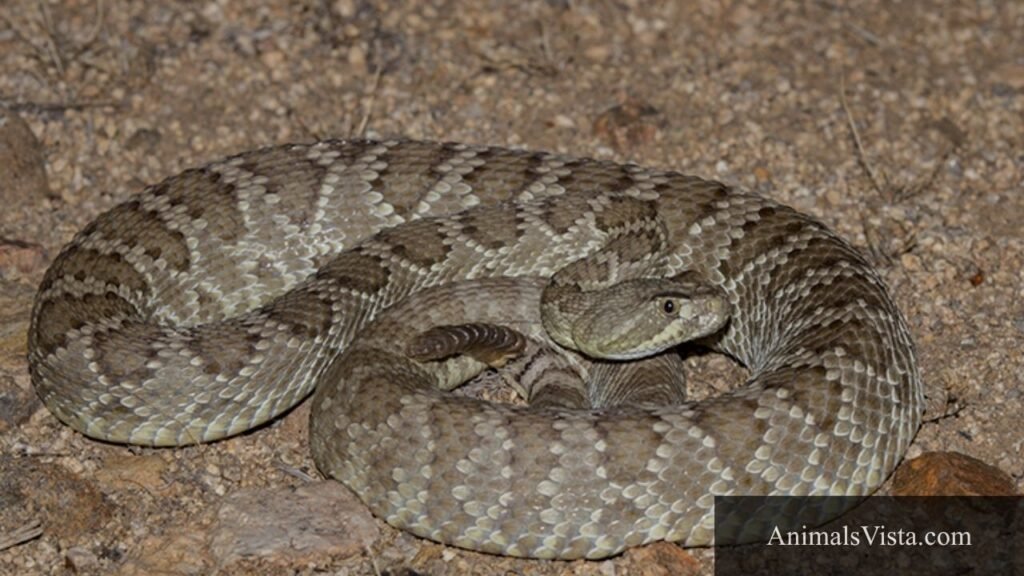
Beyond its physical attributes, the Mojave green’s venom is a topic of both intrigue and caution. Unlike many rattlesnakes, its venom contains neurotoxins that can cause paralysis, adding an additional layer of survival strategy. This potent cocktail not only aids in subduing prey but also acts as a powerful deterrent against would-be attackers. As a creature that thrives in one of the harshest environments on Earth, the Mojave green rattlesnake serves as a reminder of nature’s ingenuity, showcasing how form and function can come together in awe-inspiring ways.
Cottonmouth
Scientific Name: Agkistrodon piscivorus
Class: Reptilia
Diet: Carnivore
The cottonmouth, or Agkistrodon piscivorus, stands out among snakes not only for its distinctive triangular head but also for its fascinating adaptations to both aquatic and terrestrial environments. This semi-aquatic pit viper maintains a remarkable camouflage within wetlands, blending seamlessly with its murky surroundings. Its ability to thrive in diverse habitats highlights the resilience of this species, showcasing how evolution has equipped it with tools to navigate both water and land with unparalleled ease.
Interestingly, the cottonmouth’s head shape isn’t merely for show; it plays an essential role in its predatory strategy. The broad, triangular contour enhances its visual acuity, allowing it to detect minute movements of prey in the water while simultaneously providing an intimidating presence to potential threats. When threatened, cottonmouths often adopt a unique display — opening their mouths wide to reveal the striking white interior, signaling their readiness to defend themselves. This behavior serves a dual purpose: deterring predators and declaring their domain within their ecosystem.
Timber Rattlesnake
Scientific Name: Crotalus horridus
Class: Reptilia
Diet: Carnivore
The Timber Rattlesnake combines both beauty and danger in its striking triangular head. This distinctive shape isn’t just for show; it’s an evolutionary adaptation that enhances the snake’s ability to sense its environment. Equipped with heat-sensing pits located between its eyes and nostrils, the Timber Rattlesnake can detect the warmth of prey even in low-light conditions. This sensory acuity allows it to ambush unsuspecting creatures, showcasing the snake’s role as both predator and prey in its ecosystem.
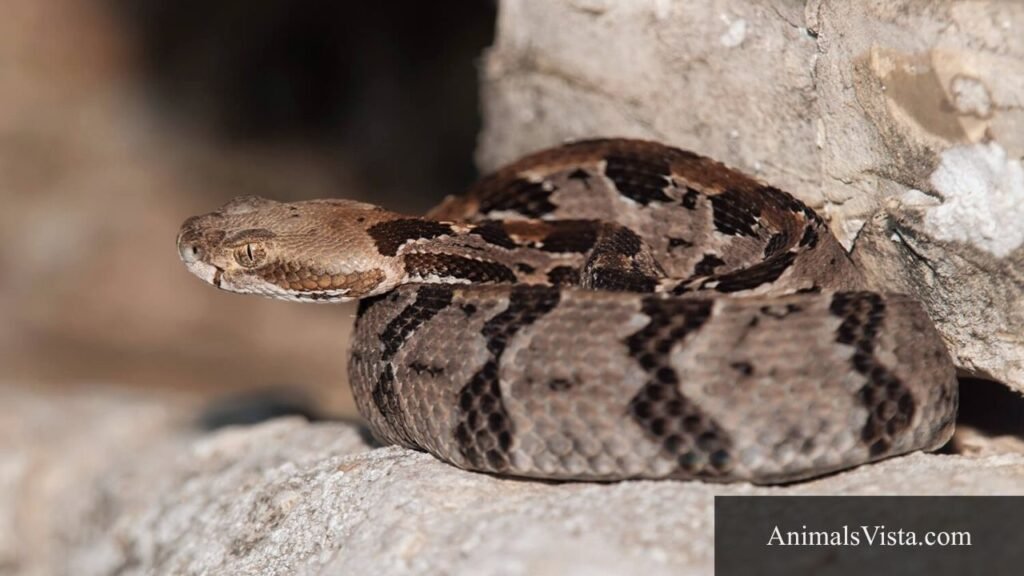
Yet, there’s more to the Timber Rattlesnake than its lethal capabilities. The patterns and coloration of their scales — ranging from earthy browns to vibrant yellows — render them masters of camouflage within the deciduous forests and hilly terrains they inhabit. These adaptations not only facilitate hunting but also protect them from larger predators. Conservation efforts for the Timber Rattlesnake are crucial; as habitat loss and human encroachment threaten their populations, their presence in the ecosystem serves as an important indicator of environmental health. Understanding and respecting these remarkable reptiles can foster a deeper appreciation for the delicate balance of nature in which they play a vital role.
Read More: Explore Top 17 Animals That Walk On Two Legs
Narrow-headed Garter Snake
Scientific Name: Thamnophis rufipunctatus
Class: Reptilia
Diet: Carnivore
The Narrow-headed Garter Snake, with its distinctly triangular head, is a marvel of adaptability and camouflage. Found primarily in the rivers and streams of the western United States, this snake blends seamlessly into its surroundings, making it an adept predator of small fish and amphibians. Its unique head shape not only aids in hunting but also serves as a defense mechanism against potential threats, giving it a more formidable appearance to would-be attackers.
One fascinating aspect of the Narrow-headed Garter Snake is its behavioral adaptations. Unlike many of its relatives, this snake displays a keen preference for aquatic environments. Its exceptional swimming ability sets it apart, enabling it to navigate swiftly through rivers and streams. This affinity for water underlines the intricate relationship between morphology and habitat, demonstrating how evolutionary pressures shape the physical traits of a species. Understanding the Narrow-headed Garter Snake can deepen our appreciation for the biodiversity within freshwater ecosystems and remind us of the delicate balance required to preserve these vital habitats.
Eastern Copperhead
Scientific Name: Agkistrodon contortrix
Class: Reptilia
Diet: Carnivore
The Eastern Copperhead is a fascinating example of nature’s adaptability, with its distinctive triangular head serving a crucial role in its survival. This unique shape not only enhances its striking appearance but also aids in the effectiveness of its thermoreception. Specialized pits on either side of the head allow the Copperhead to accurately detect temperature changes in its environment, making it an adept predator, particularly in locating warm-blooded prey.
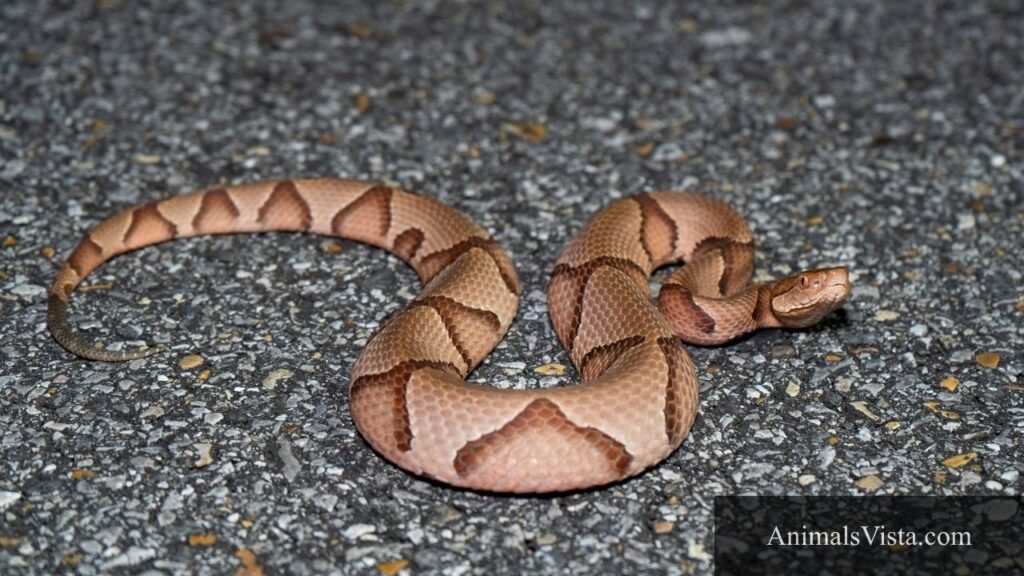
But beyond their predatory skills, Eastern Copperheads are also masters of camouflage. Their earthy tones and intricate patterns blend seamlessly with the leaf litter and rocky terrains of their habitats, allowing them to ambush unsuspecting animals while remaining hidden from potential threats. Interestingly, these snakes are often misunderstood; while their venomous bite can be dangerous, they exhibit a generally calm demeanor when left undisturbed. By urging people to appreciate rather than fear these remarkable creatures, we can foster a deeper connection with the biodiversity that thrives around us.
Sidewinder
Scientific Name: Crotalus cerastes
Class: Reptilia
Diet: Carnivore
The sidewinder, a remarkable species of rattlesnake, possesses a distinct triangular head that sets it apart from its serpentine relatives. This unique shape is not merely for show; it enhances the snake’s ability to navigate the challenging, sandy terrain of its desert habitat. The broader head provides stability while sidewinding — a fascinating locomotion method where the snake moves sideways in an undulating motion, minimizing contact with the hot sand. This adaptation allows the sidewinder to move efficiently without overheating, a feat that showcases nature’s ingenuity.
Further intriguing is the sidewinder’s cryptic coloration, which perfectly blends with its arid environment. This natural camouflage, teamed with its quick, erratic movements, makes it a master of stealth when hunting and escaping predators. The sidewinder’s ability to detect vibrations through its jawbones gives it an added layer of sensory perception, allowing it to locate prey even under the scorching desert sun. Such adaptations not only emphasize the beauty of evolution but also inspire ongoing research into how environmental challenges shape animal physiology and behavior. The sidewinder is more than just a creature of the desert; it’s an extraordinary example of survival in one of the planet’s harshest ecosystems.
Brown Water Snake
Scientific Name: Nerodia taxispilota
Class: Reptilia
Diet: Carnivore
The Brown Water Snake boasts a triangular head that serves more than just a striking visual cue. This unique morphology aids in its buoyancy and streamlining as it gracefully navigates through waterways, showcasing a blend of beauty and function. Unlike some of its more notorious relatives, the Brown Water Snake is a non-venomous constrictor, relying on its adept swimming skills to catch fish and amphibians that thrive in its aquatic habitat.
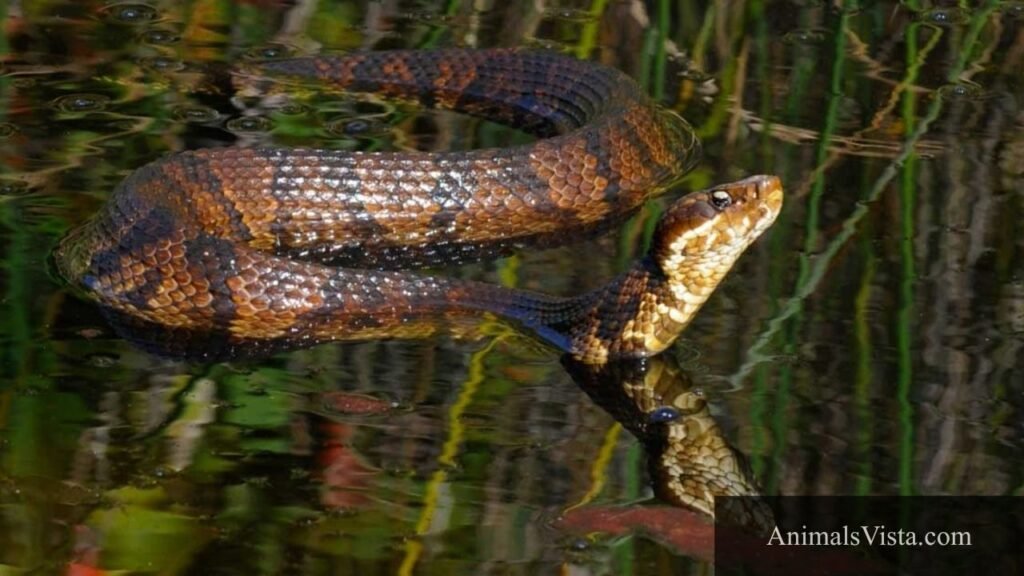
Interestingly, these snakes employ a fascinating form of camouflage, blending into the murky waters and sun-dappled shores with hues of brown and black. Their coloration not only shields them from predators but also makes them formidable hunters. Observing a Brown Water Snake in the wild can reveal how they seize opportunities; they are often seen basking on overhanging logs, ready to plunge into the water at a moment’s notice, illustrating the intricate balance of predator and prey. As they navigate their environment, the triangular head of the Brown Water Snake becomes a symbol of adaptability, reminding us of the intricate connections within ecosystems where even the most misunderstood creatures play vital roles.
Pygmy Rattlesnake
Scientific Name: Sistrurus miliarius
Class: Reptilia
Diet: Carnivore
The Pygmy Rattlesnake, with its distinctive triangular head, is more than just a striking feature; it plays a crucial role in the snake’s hunting strategy. This shape allows for enhanced sensory perception, enabling the Pygmy to detect the subtle vibrations of prey scurrying through the underbrush. Its small size, reaching only about two feet in length, belies its effectiveness as a predator. When you encounter one in the wild, you may witness a masterclass in camouflage — its markings blend seamlessly into leaf litter, making it a skilled ambush hunter.
Despite their relatively compact size, these snakes pack a potent bite, delivering venom that can be surprisingly potent for such a small creature. This venom is not only designed to immobilize prey but also to aid in digestion, showcasing the evolutionary finesse of this species. Moreover, the Pygmy Rattlesnake’s unique rattling mechanism, produced by its tail, serves both as a warning and as an intriguing reminder of its venomous nature. Understanding the Pygmy Rattlesnake offers a fresh perspective on the complexity of ecosystems, as every aspect of its design intricately links to its survival and functioning within its environment.
Arizona Black Rattlesnake
Scientific Name: Crotalus cerberus
Class: Reptilia
Diet: Carnivore
The Arizona black rattlesnake, with its distinctive triangular head, is a remarkable example of nature’s intricate design. This unique shape not only enhances its striking appearance but also plays a critical role in its hunting strategy. The broad head allows for a greater expansion of the jaw, enabling the snake to consume prey that may be surprisingly large relative to its body size. These adaptations make it a formidable predator in its arid desert habitat, where it strikes a delicate balance between stealth and strength.
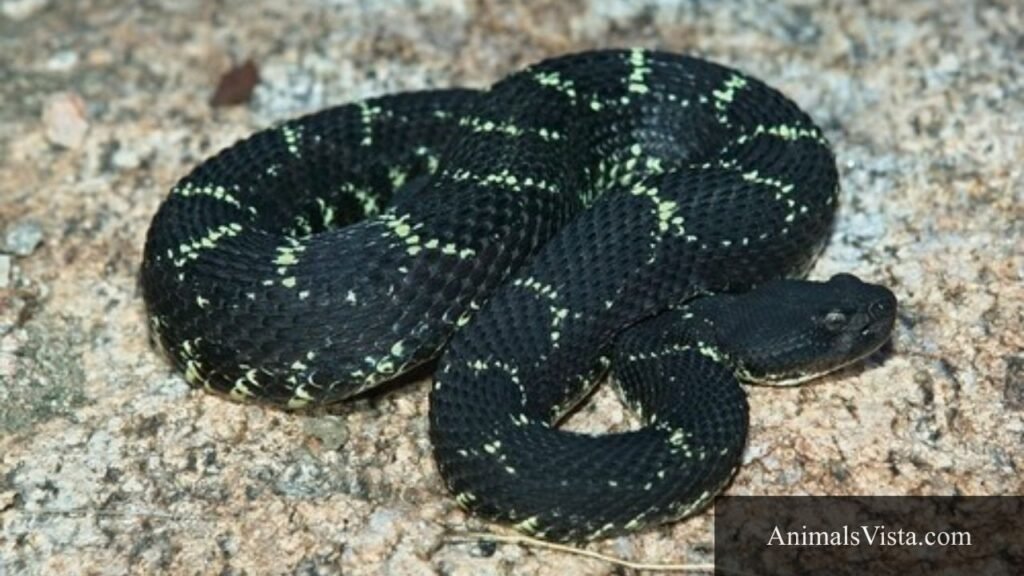
In the dim light of dawn or dusk, the Arizona black rattlesnake’s black-and-gray coloration allows it to blend into the rocky terrain, an evolutionary advantage typical of ambush predators. As it lies in wait, the diamond-patterned scales can catch the eye of unsuspecting prey, offering striking camouflage against the pebbled backdrop of its environment. Additionally, their venomous bite is a remarkable cocktail of neurotoxins and hemotoxins, designed to immobilize and digest prey quickly. Understanding the fascinating adaptations of this snake opens a window into the complexity of the ecosystems it thrives in and the evolutionary forces that shape such captivating creatures.
Fer-de-Lance
Scientific Name: Bothrops asper
Class: Reptilia
Diet: Carnivore
The Fer-de-Lance is a remarkable snake often recognized by its distinct triangular head. This feature isn’t just for show; it plays a crucial role in its survival strategy. The shape enhances its camouflage, allowing it to blend seamlessly with the leaf litter of tropical forests, making it a master ambush predator. Armed with potent venom, the Fer-de-Lance uses its triangular profile to intimidate and surprise prey, striking with astonishing speed when the moment is just right.
What’s particularly fascinating is the Fer-de-Lance’s potent venom, which is hemotoxic and enables it to incapacitate much larger animals swiftly. However, its interactions with humans are often misunderstood; many fear this snake without recognizing its vital role in the ecosystem as a controller of rodent populations. Moreover, the Fer-de-Lance showcases remarkable behavior, such as the unique way it basks by coiling back on itself to catch the sun’s rays efficiently, displaying both intelligence and adaptability in its daily life. Understanding the Fer-de-Lance goes beyond just its fearsome reputation; it invites us to appreciate the complexities of nature and the delicate balance of the habitats it inhabits.
Eastern Diamondback Rattlesnake
Scientific Name: Crotalus adamanteus
Class: Reptilia
Diet: Carnivore
The Eastern Diamondback Rattlesnake stands out not just for its striking patterns but also for its distinct triangular head, which serves as an evolutionary marvel. This unique shape allows for a broader jaw, enabling the snake to swallow prey that may be larger than its own body diameter. This adaptation is a testament to nature’s ingenuity, allowing these snakes to thrive in diverse habitats from sandy coastal areas to upland forests in the Southeastern United States.
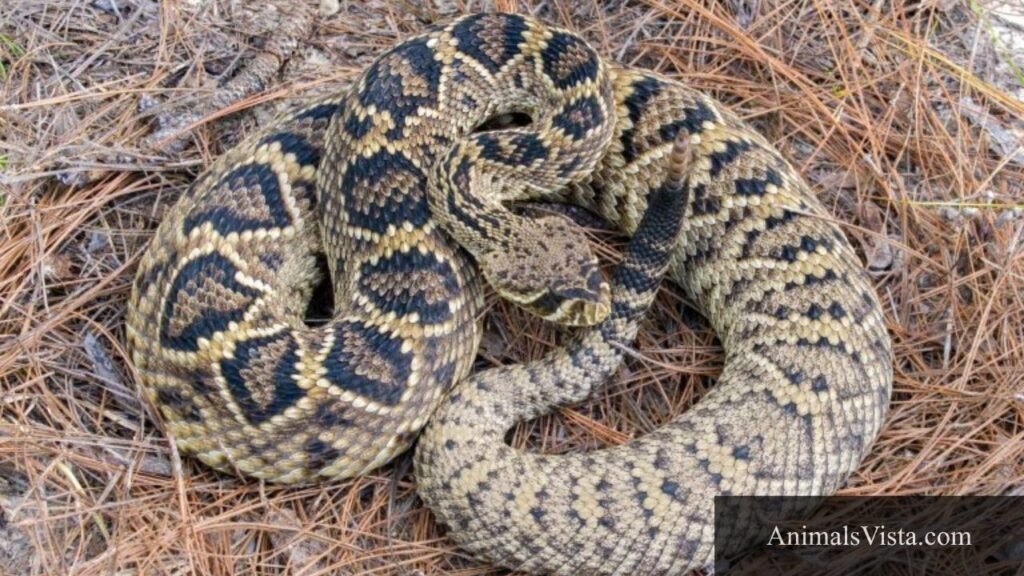
Beyond their formidable anatomy, Eastern Diamondbacks play a crucial role in their ecosystems. They act as natural pest controllers, keeping populations of rodents in check. Observing these snakes in the wild, one might be captivated by the way they blend seamlessly into their surroundings, relying on their camouflage to ambush unsuspecting prey rather than resorting to speed. Engaging with these magnificent creatures highlights the delicate balance of nature and emphasizes the importance of conservation efforts to protect their habitats amid human encroachment.
Hognose Snake
Scientific Name: Heterodon nasicus
Class: Reptilia
Diet: Carnivore
The Hognose snake, easily identifiable by its distinctive triangular head and upturned snout, is a master of disguise in the wild. While its appearance might seem intimidating, this snake is more of a performer than a predator. When threatened, rather than strike, it engages in theatrical acts, flattening its neck and rolling onto its back to feign death — an extraordinary survival tactic that often leaves predators bewildered.
Moreover, the Hognose snake’s diet is fascinating; it primarily feeds on amphibians, particularly toads, which it can consume due to its unique ability to tolerate toxins that would be lethal to many other species. This adaptive trait not only showcases the snake’s resilience but also its specialized role within the ecosystem. With their charming behaviors and striking appearance, Hognose snakes remind us that there’s often more to an animal than meets the eye, embodying a blend of vulnerability and clever adaptation that enriches the narrative of reptilian life.
Panamint Rattlesnake
Scientific Name: Crotalus stephensi
Class: Reptilia
Diet: Carnivore
The Panamint rattlesnake, with its striking triangular head, is a marvel of adaptation in the arid landscapes of California’s Mojave Desert. This unique head shape is not just for show; it plays a crucial role in thermoregulation, allowing the snake to heat up or cool down efficiently as it navigates the harsh environment. Beneath that distinct exterior lies a fascinating interplay of color and pattern, with hues that seamlessly blend into the rocky terrain, making it an expert at camouflage during both hunting and evasion.
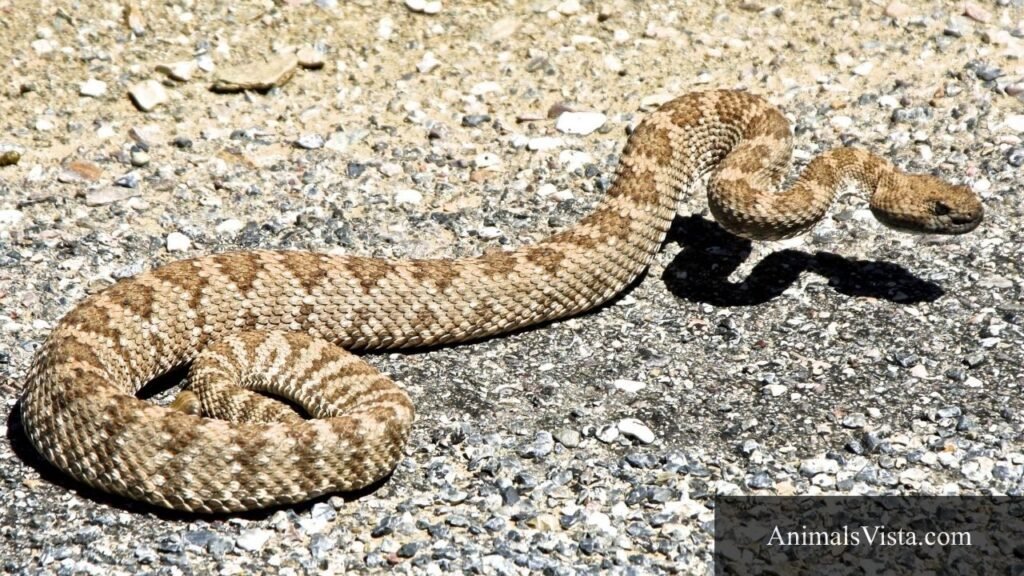
What sets the Panamint rattlesnake apart from its kin is its remarkable behavior during hunting. Unlike many rattlesnakes that rely solely on ambush techniques, the Panamint often employs an active searching strategy, showcasing a level of intelligence and adaptability that is seldom discussed. This serpentine hunter may traverse significant distances in search of prey, utilizing vibrations to detect potential meals while skillfully avoiding predators. Such behaviors highlight the intricate survival strategies of this species, inviting deeper appreciation for the complexity of life in one of the harshest habitats on Earth.
Massasauga Rattlesnake
Scientific Name: Sistrurus catenatus
Class: Reptilia
Diet: Carnivore
The Massasauga rattlesnake, with its distinctly triangular head, is a marvel of adaptability, blending seamlessly into the varied habitats of the Midwest. This small but striking snake often chooses wetlands and grasslands as its home, utilizing its intricate patterns to camouflage among the dappled sunlight filtering through tall grasses. What makes the Massasauga particularly intriguing is not just its appearance but its behavior; it’s known for its relatively docile nature, preferring to evade threats rather than strike unless absolutely necessary.
These snakes play a crucial ecological role, controlling rodent populations and contributing to the balance of their ecosystems. However, their populations are declining due to habitat loss and human encroachment. Efforts to protect the Massasauga focus on preserving their natural habitats and educating the public about their importance in local biodiversity. Interestingly, conservationists emphasize that understanding the nuances of this often-misunderstood creature can dismantle fear and foster appreciation, reminding us that even the most intimidating species can be vital allies in maintaining our natural world.
Gaboon Viper
Scientific Name: Bitis gabonica
Class: Reptilia
Diet: Carnivore
The Gaboon viper, known for its striking triangular head, is a marvel of evolutionary design. This unique shape aids in its hunting strategy, allowing for a wider mouth to deliver potent venom to prey. Found in the lush rainforests and savannas of Central and West Africa, this species exemplifies the artistry of camouflage. Its stunning patterns and colors seamlessly blend into the forest floor, making it a master of ambush.
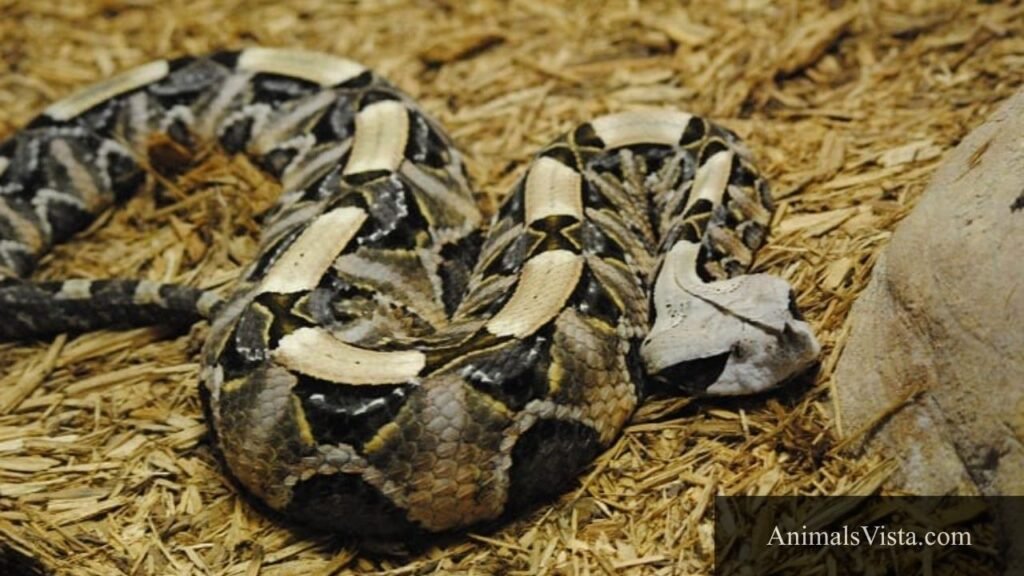
But the Gaboon viper’s allure extends beyond its striking appearance. Its venom, while lethal, serves not only as a means of subduing prey but also as a fascinating subject for scientific research. Understanding its composition could unlock new insights into pain management and blood coagulation. Additionally, the viper plays a crucial role in its ecosystem, keeping prey populations in check, which highlights the interconnectedness of all species and the importance of biodiversity. As we learn more about these incredible creatures, we deepen our appreciation for the complexity of life hidden in the corners of our world.
Read More: Explore Top 25 Animals With Webbed Feet
Final Words
The distinctive triangular head of certain snake species represents a remarkable adaptation that enhances their survival skills. This notable feature not only contributes to their striking appearance but also provides a tactical advantage in the wild. Knowledge about these snakes fosters a deeper appreciation for the diversity of life on Earth and the intricate balance of ecosystems. As we learn more about these intriguing reptiles, we can also advocate for their preservation against habitat loss and other threats. Together, we can ensure that snakes with triangular heads continue to thrive for generations to come.
FAQs
What kind of snake has a triangular head shape?
Several snake species feature a triangular head shape, with one of the most notable being the Eastern Diamondback Rattlesnake. These snakes are characterized by distinctive diamond patterns along their backs. The triangular head allows them to better sense their environment and strike effectively at prey. Another example is the Gaboon Viper, famed for its striking appearance and broad, flat head. This snake is known for its impressive camouflage and potent venom.
Does a triangle head mean a snake is venomous?
Not necessarily. While many venomous snakes do have triangular heads, not all snakes with this head shape are venomous. The triangular head is often a result of the snake’s anatomy and feeding habits, helping them to capture and consume prey more effectively.