Top 15 Cleanest Animals In The World (With Images)
In this article, we explore the cleanest animals in the world, showcasing creatures that take cleanliness to extraordinary levels. Understanding these animals not only reveals the fascinating diversity of the animal kingdom but also prompts us to reflect on our own habits. Read on to discover which animals squeaky-clean their way to the top of the hygiene chart and what we can learn from them.
List of Cleanest Animals In The World:
Below is the list of cleanest animals in the world:
- Deer
- Hamsters
- Songbirds
- Sea Otters
- Tigers
- Polar Bears
- Cats
- Ants
- Raccoons
- Rabbits
- Birds of Paradise
- Elephants
- Squirrels
- Beavers
- Badgers
Deer
Scientific Name: Cervidae
Class: Mammalia
Diet: Herbivore
Deer are intriguing examples of cleanliness in the animal kingdom, often seen grooming themselves to maintain impeccable hygiene. These gentle herbivores use their tongues to meticulously clean their fur, removing dirt and parasites. This grooming behavior not only keeps them looking pristine but also helps regulate their body temperature and reduces the scent that might attract predators. Such meticulous self-care showcases their instinctual wisdom for survival in the wild.
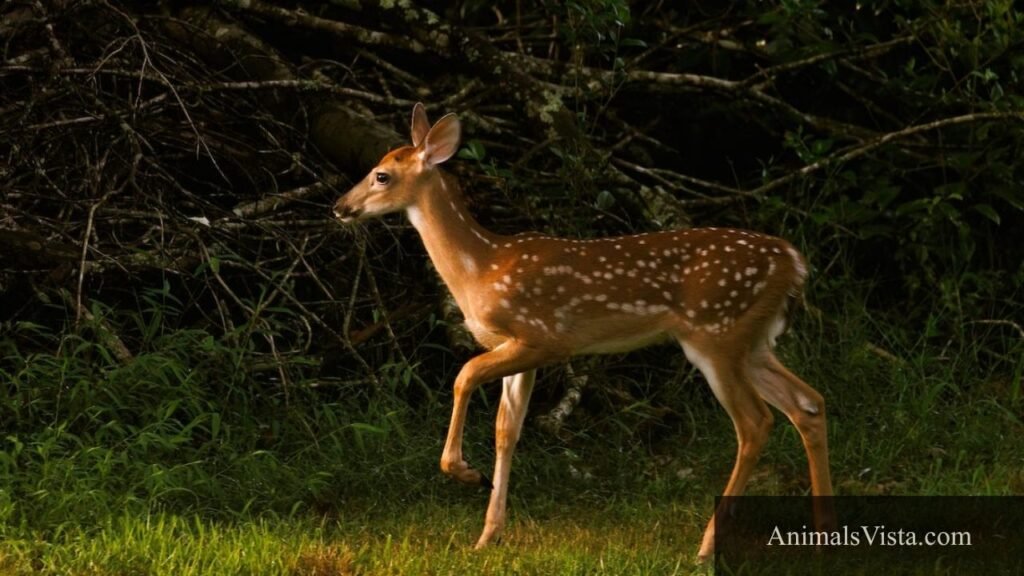
Interestingly, social dynamics among deer also play a role in their cleanliness. They often engage in mutual grooming, where individuals help each other clean hard-to-reach areas. This not only strengthens social bonds within groups but also enhances overall health and well-being, fostering a sense of community amid the serene wilderness. Observing these elegant creatures reveals that their cleanliness goes beyond mere aesthetics; it is a vital adaptation that promotes survival and social cohesion.
Hamsters
Scientific Name: Cricetinae
Class: Mammalia
Diet: Herbivore
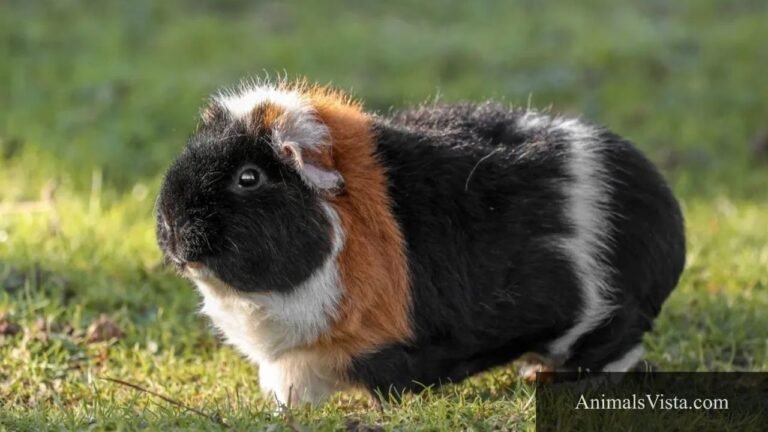
Hamsters, often perceived as simple pets, showcase a surprisingly meticulous side when it comes to hygiene. These small rodents have an innate instinct to keep their living spaces tidy, often designating a specific corner as their bathroom. It’s fascinating to watch them meticulously groom themselves, using their tiny paws to clean their fur, ensuring they remain free of dirt and parasites. This grooming ritual not only maintains their health but also strengthens their bond with their environment, as they instinctively keep their odorous markers to a minimum — crucial in the wild for predators’ avoidance.
Moreover, hamsters demonstrate an impressive sense of organization, especially when it comes to their food. They hoard and store food in their cheek pouches before transporting it to their nests, creating a mini pantry of sorts. This behavior not only keeps their living area clutter-free but also minimizes the risk of mold or decay that might arise from scattered food. Observing a hamster skillfully manage its belongings brings an unexpected perspective on how such small creatures maintain a clean and efficient lifestyle, reminding us that cleanliness isn’t merely a human trait but an essential aspect of life for many species.
Songbirds
Scientific Name: Passeri
Class: Aves
Diet: Omnivore
Among the avian world, songbirds stand out not only for their melodious tunes but also for their surprising hygiene habits. These feathered musicians are notorious for their meticulous grooming rituals, often preening themselves to keep their plumage pristine. This behavior is crucial, as clean feathers are essential for insulation and waterproofing, which directly impacts their survival.
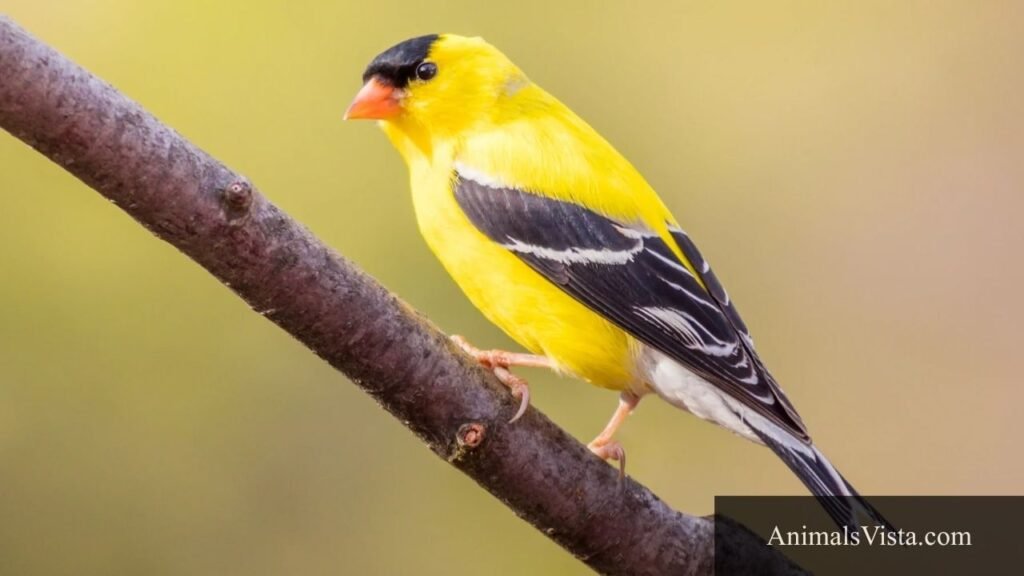
What’s particularly fascinating is their communal bath behavior. Many species of songbirds will flock together to find sources of clean water, using these opportunities to socialize while keeping their feathers in tip-top shape. This dual benefit highlights a unique aspect of songbird culture: cleanliness shared among friends not only enhances their physical well-being but also strengthens social bonds. By observing these birds, we can appreciate how interconnected hygiene and community can be in the animal kingdom, prompting us to reflect on the ways we, too, can foster connections through shared rituals.
Read More: Explore Top 19 Anxious Animals In The World
Sea Otters
Scientific Name: Enhydra lutris
Class: Mammalia
Diet: Carnivore
Sea otters are not just adorable; they are nature’s meticulous groomers. These marine mammals dedicate a significant portion of their day — up to 20 hours — to grooming their thick fur. This behavior is essential, as their fur is the densest of any animal, with up to a million hair follicles per square inch. By keeping their fur clean and free from oil, sea otters maintain its insulating properties, which is crucial for survival in frigid waters.
Interestingly, this grooming ritual is not just about hygiene; it fosters social bonds within otter communities. When they help each other groom, it strengthens their connections, creating tight-knit social structures among them. Moreover, their clean and healthy fur plays a vital role in maintaining the balance of marine ecosystems. By preying on sea urchins, otters keep kelp forests thriving, showcasing how cleanliness in one species can lead to vitality across an entire habitat. Thus, the sea otter exemplifies the intricate link between personal hygiene, social interaction, and ecological balance in the ocean’s depths.
Tigers
Scientific Name: Panthera tigris
Class: Mammalia
Diet: Carnivore
Tigers, often revered for their majestic beauty and power, also exhibit surprisingly meticulous grooming habits that enhance their appeal. These magnificent felines allocate significant time each day to clean their fur, using their rough tongues to remove dirt and parasites. This grooming behavior not only maintains their striking appearance but also plays a critical role in their survival, as it helps to regulate body temperature and enhance their sense of smell — key assets for a predator in the wild.
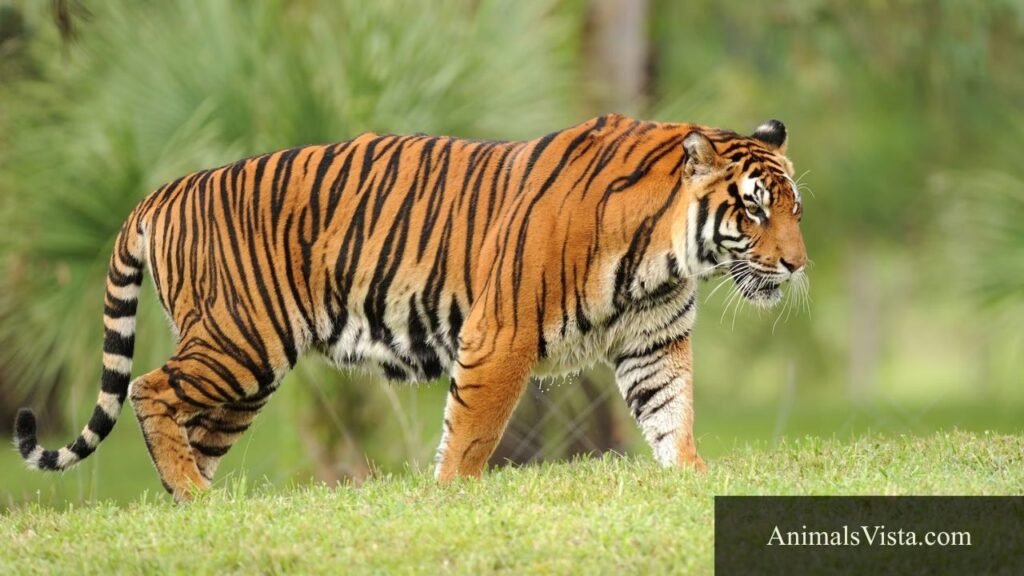
Beyond their physical grooming, tigers demonstrate a sophisticated understanding of their hygiene needs. For instance, they frequently bathe in water sources to cool off and to cleanse themselves, showcasing a behavior that’s both practical and intentional. This affinity for cleanliness is not merely aesthetic; it signifies a robust health strategy, allowing them to present as formidable hunting machines without the distraction of irritants. Observing these behaviors offers a deeper appreciation of tigers, revealing them as not just apex predators, but as creatures deeply attuned to the balance of their environment.
Polar Bears
Scientific Name: Ursus maritimus
Class: Mammalia
Diet: Carnivore
Polar bears, despite their formidable size and reputation as apex predators, are surprisingly diligent when it comes to cleanliness. These majestic creatures are often observed engaging in grooming rituals, using their powerful paws to meticulously clean their thick fur. This not only enhances their insulation against the frigid Arctic temperatures but also plays a crucial role in maintaining their health. A clean coat helps reduce the risk of parasites and maintains their remarkable buoyancy in water, allowing them to hunt seals effectively.
Moreover, polar bears demonstrate an intriguing behavior of using snow as a natural cleansing agent. After a meal, they frequently roll in fresh snow, which acts like a scrubber, helping to remove any remnants of oil or fats from their previous catch. This instinctive behavior showcases their adaptability to the harsh environment and underscores the importance of hygiene in Arctic survival. Observing these rituals can shift our perception of these powerful animals — far from just brute strength, they embody a delicate balance between ferocity and finesse in their pursuit of survival.
Cats
Scientific Name: Felis catus
Class: Mammalia
Diet: Carnivore
Cats are not just known for their playful antics and aloof nature; they are also champions of cleanliness. Unlike many other pets, felines dedicate several hours each day to grooming themselves, which serves multiple purposes. This meticulous behavior not only keeps their fur free from dirt and parasites but also helps regulate their body temperature and distribute natural oils, ensuring a shiny coat. The act of grooming initiates a calming effect, helping to reduce stress and maintain their overall well-being.
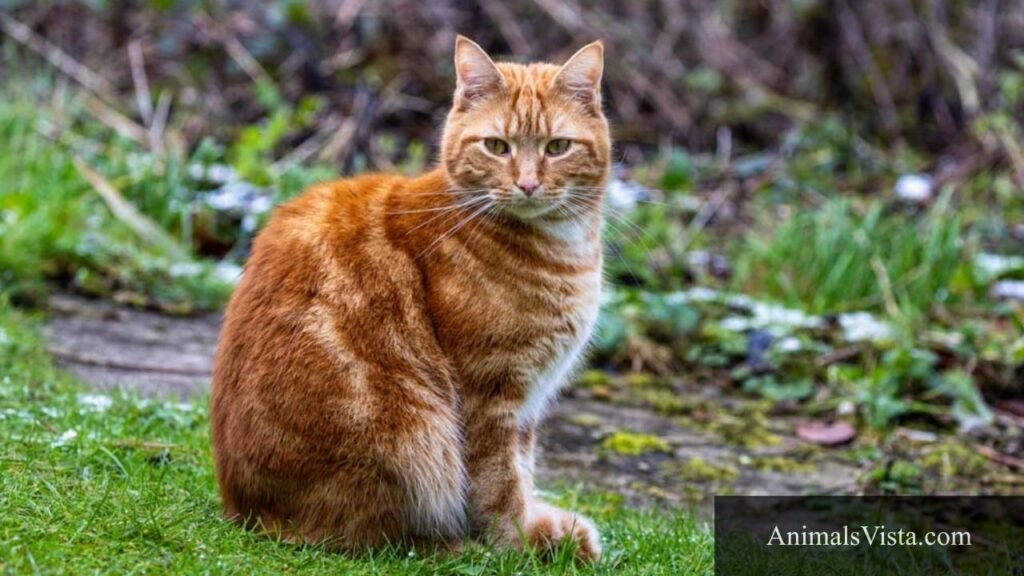
What’s particularly fascinating is that domestic cats have inherited this cleanliness obsession from their wild ancestors. In the wild, a clean coat is vital for survival — hygiene reduces the risk of disease and helps hunters remain stealthy. Furthermore, their grooming rituals also have social implications; a cat’s cleaned fur signals health and vitality to both potential mates and rivals, thereby playing a critical role in their social dynamics. This instinctual behavior transforms the mundane act of grooming into a ritual steeped in biology, showcasing that, for cats, cleanliness is not merely a habit, but a lifeline in the circle of life.
Ants
Scientific Name: Formicidae
Class: Insecta
Diet: Omnivore
Ants are fascinating creatures that embody cleanliness in the animal kingdom. Found in diverse ecosystems around the globe, these tiny insects exhibit remarkable hygienic behaviors that contribute to their survival and efficiency. For instance, certain species of ants engage in grooming rituals not only to remove dirt and parasites from their bodies but also to foster social bonds within the colony. This meticulous behavior ensures the health of the entire community, showcasing a sophisticated understanding of collective well-being.
What’s fascinating is how ants manage waste. Instead of scattering refuse, many species will create designated waste chambers within their nests, effectively segregating waste from living and breeding areas. Some ants even go one step further; they will discard their waste outside the colony or bury it in specific locations, demonstrating a level of eco-consciousness that is rarely seen in the animal kingdom. This relentless pursuit of cleanliness not only enhances their survival but also exemplifies the intricate relationships they maintain within their complex societies.
Raccoons
Scientific Name: Procyon lotor
Class: Mammalia
Diet: Omnivore
Raccoons often get a bad rap for their scavenging habits, but these clever creatures are surprisingly meticulous in their hygiene. In the wild, a raccoon will establish a designated toilet area, known as a “latrine,” which they consistently use to avoid contaminating their living spaces. This behavioral trait not only keeps their environment clean but also plays a critical role in avoiding predators and potential disease.
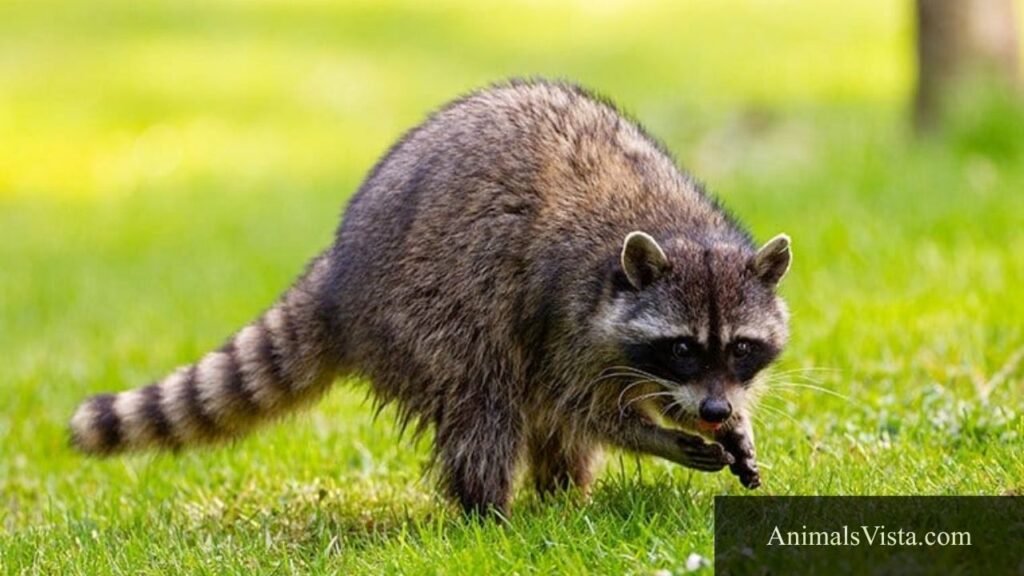
Moreover, their hands — though not literally clean — are some of the most dexterous in the animal kingdom. Raccoons possess a unique ability to manipulate objects, which they often use to wash food items in water before consuming them, reminiscent of a human washing their hands before a meal. This “hand-washing” behavior highlights their intelligence and keen adaptability, revealing an unexpected dimension of their personality. By emphasizing cleanliness, raccoons not only thrive in their habitats but also provide a fascinating glimpse into the complexities of nature’s designs.
Rabbits
Scientific Name: Leporidae
Class: Mammalia
Diet: Herbivore
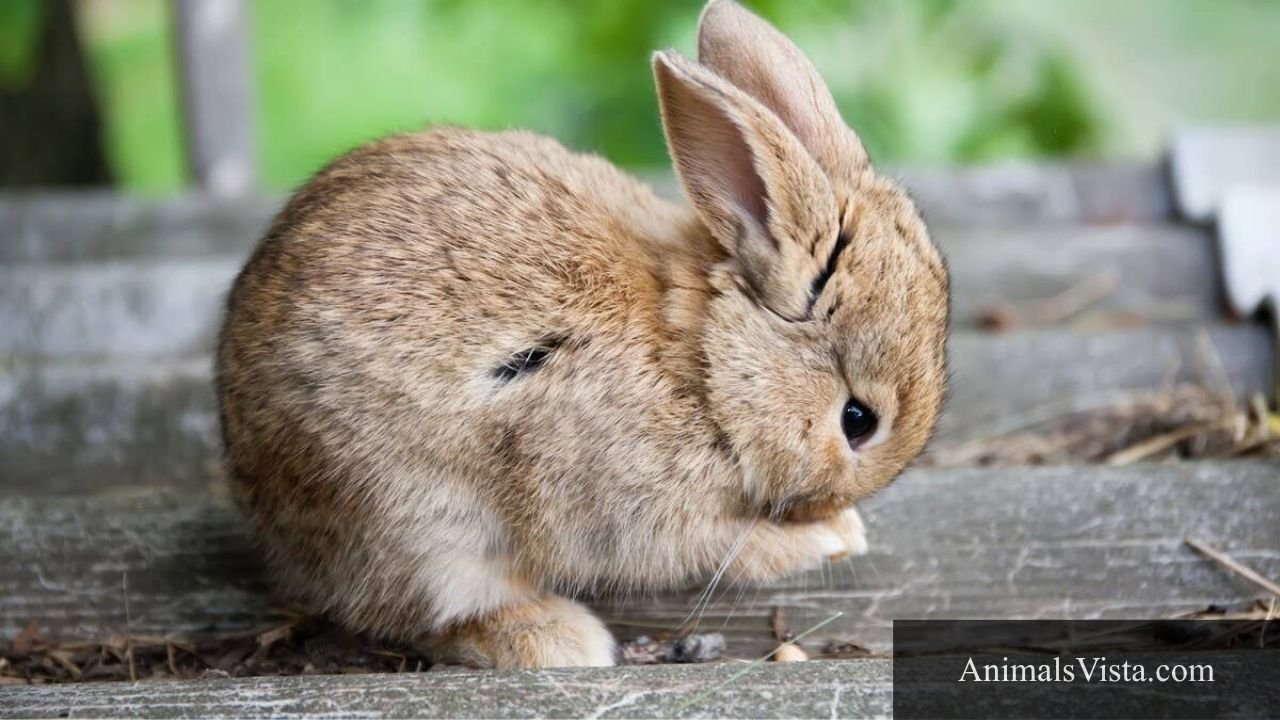
Rabbits are often celebrated for their charming appearance and playful nature, but their cleanliness is equally remarkable. Unlike many other animals, rabbits are meticulous groomers, spending a significant portion of their day cleaning themselves. With specialized front teeth and agile paws, they keep their fur tidy and free from debris. This natural grooming habit not only maintains their appearance but also helps in regulating body temperature and promoting skin health.
Moreover, rabbits exhibit a unique behavioral quirk: they designate “toilet areas” within their living space, which instills a sense of order in their environment. By consistently using specific spots for their waste, they minimize the spread of odors and maintain a clean habitat, showcasing their instinctual understanding of hygiene. This tidiness makes them surprisingly low-maintenance companions, as regular spot cleaning can suffice to keep their living quarters fresh. Their innate cleanliness paired with their engaging personalities has endeared them not only as pets but also as symbols of a neat and harmonious lifestyle.
Birds Of Paradise
Scientific Name: Paradisaeidae
Class: Aves
Diet: Omnivore
Birds of Paradise are not just visually stunning; they embody cleanliness in the most captivating ways. These avian wonders engage in meticulous grooming rituals that almost seem like a form of performance art. Using their beaks, they preen their feathers with a precision that maintains not only their vibrant colors but also their aerodynamic efficiency. This attention to detail is essential in their courtship displays, where cleanliness becomes an indirect signal of fitness to potential mates.
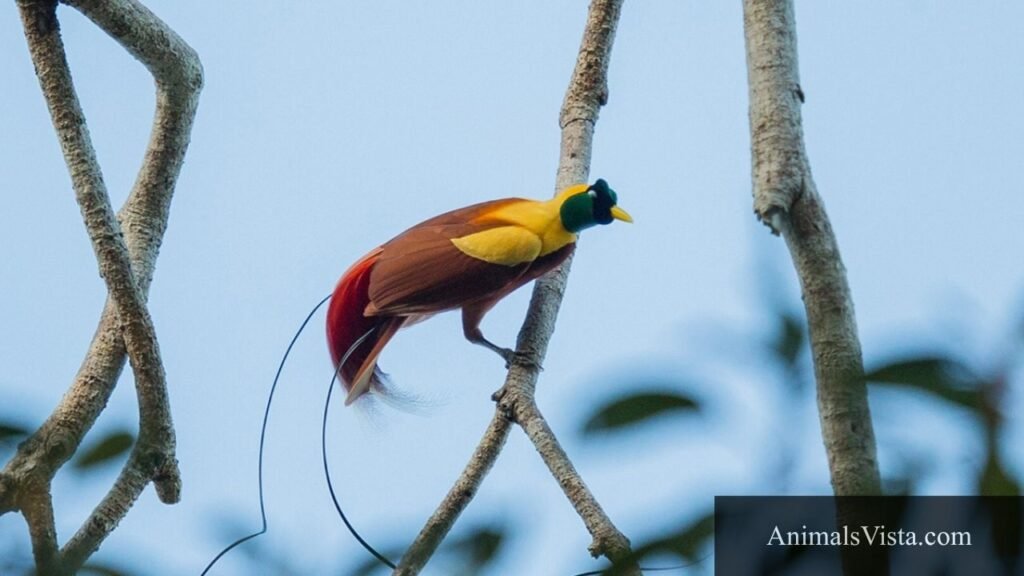
Additionally, their vibrant plumage serves a dual purpose: while it attracts mates, it also plays a role in their hygiene. The lighter, specialized feathers can trap dirt and dust, which birds shake off during their elaborate displays, keeping them clean on multiple fronts. Beyond their physical grooming, Birds of Paradise exemplify a lifestyle steeped in habitat hygiene; they often select nesting sites that are free of parasites and predators, thus enhancing their chances of survival and successful reproduction. Their commitment to cleanliness, intertwined with their enchanting performances, underscores an intricate relationship between aesthetics and ecology.
Elephants
Scientific Name: Elephantidae
Class: Mammalia
Diet: Herbivore
Elephants, often recognized for their grandeur and intelligence, also display surprisingly fastidious grooming habits that elevate them among the cleanest animals in the world. These magnificent creatures use their trunks not just for feeding but also as an essential tool for personal hygiene. They regularly engage in dust-bathing, rolling in fine dirt to remove parasites and dead skin. This behavior not only cleans them but also acts as a natural sunscreen, protecting their sensitive skin from the sun’s harmful rays.
In closer social groups, elephants demonstrate a sophisticated communal approach to cleanliness. They engage in mutual grooming, using their trunks to help remove mud and debris from one another’s skin. This act of cleaning serves as both a practical necessity and a bonding ritual, reinforcing the deep social connections within herds. Their love for water also plays a critical role in their hygiene routine, as elephants frequently bathe in rivers and lakes, where they splash and spray water over their bodies, ensuring they stay refreshed and clean.
Squirrels
Scientific Name: Sciuridae
Class: Mammalia
Diet: Omnivore
Squirrels are among the cleanest animals in the world, showcasing remarkable grooming habits. These agile creatures regularly engage in meticulous self-cleaning, using their dexterous paws to remove debris and parasites from their fur. This grooming ritual not only keeps them looking pristine but also plays a crucial role in their health, as it helps maintain their body temperature and prevents skin infections.
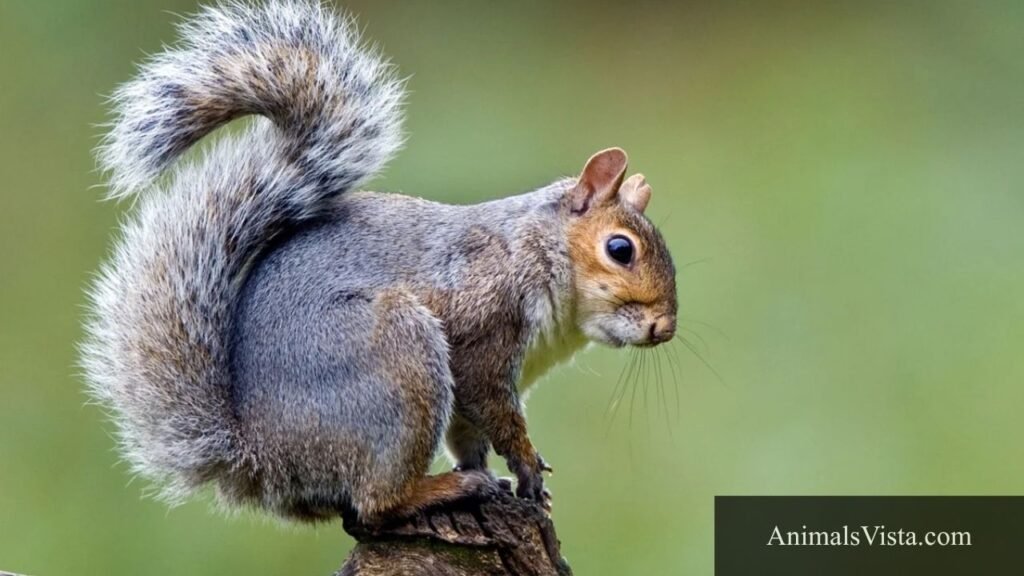
Interestingly, squirrels display a unique social cleanliness, too. In urban environments, for example, they’ve shown an ability to adapt by choosing nesting sites that minimize exposure to waste and harmful pollutants. Observations have revealed that they often venture far away from food caches to avoid contamination. This innate drive for cleanliness highlights an intriguing aspect of their survival strategy: by keeping their living spaces tidy and their fur well-groomed, squirrels enhance their overall well-being, showcasing a sophisticated balance between instinct and environment.
Beavers
Scientific Name: Castor
Class: Mammalia
Diet: Herbivore
Beavers, often celebrated for their industrious nature, are surprisingly among the cleanest animals in the world. These fascinating creatures maintain a meticulously organized lifestyle within their lodges. You might think of beaver dams as mere architectural feats, but they also serve an essential role in hygiene. The water around their homes is regularly circulated and filtered, ensuring a clean aquatic environment that fosters healthy ecosystems.
Moreover, beavers engage in a unique grooming ritual that involves constant preening of their fur. Their dense, waterproof coat is designed to keep them warm while also repelling dirt and debris. They use their teeth and claws to remove parasites, revealing a commitment to cleanliness often overlooked. This attention to hygiene not only supports their well-being but also benefits the biodiversity of their habitat, creating a sanctuary for countless other species. The beaver’s diligent efforts exemplify how nature’s architects prioritize cleanliness, enhancing their surroundings and fostering balance in the ecosystem.
Badgers
Scientific Name: Meles meles
Class: Mammalia
Diet: Omnivore
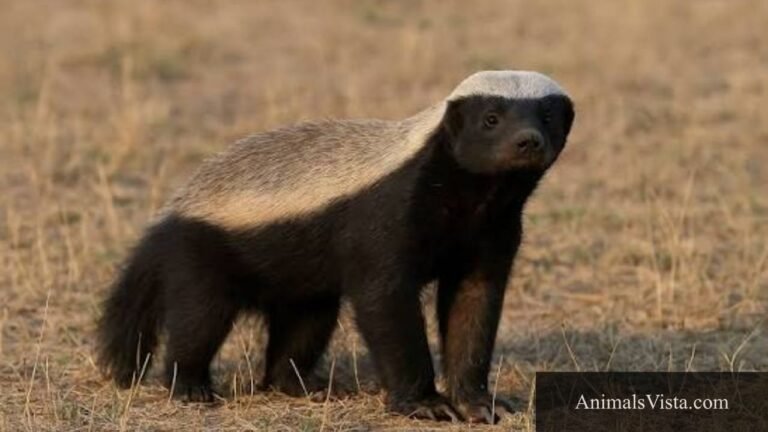
Badgers might not be the first creatures that come to mind when considering cleanliness in the animal kingdom, but these fascinating mammals showcase remarkable grooming habits. Living primarily in underground burrows, badgers maintain their homes with meticulous care, often using designated latrine sites to keep their living spaces clean. This behavior not only helps to control parasites but also minimizes odors, showcasing their instinctual efforts to promote hygiene within their communities.
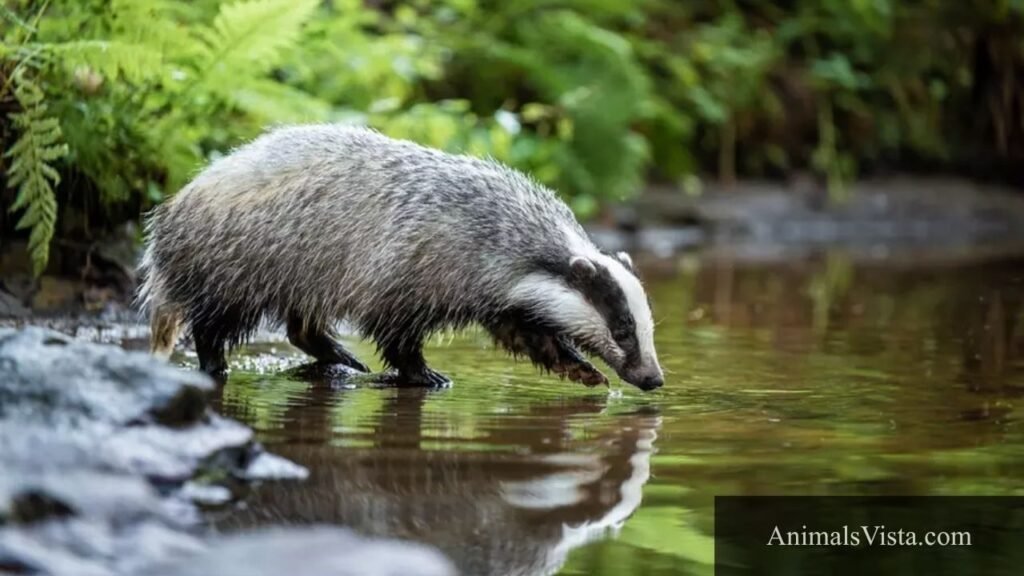
Beyond their impressive hygiene practices, badgers possess a unique social structure that contributes to their cleanliness. They live in groups called cets, and cooperation in grooming isn’t just a bonding activity; it enhances their overall health by removing dirt, debris, and parasites from each other’s fur. This collaborative approach reinforces strong social ties while ensuring that everyone remains healthy — a clever symbiosis of cleanliness and companionship that’s rarely observed in the wild.
Read More: Explore Top 13 Animals That Sleep The Most
Final Thoughts
The cleanest animals in the world serve as remarkable examples of how diligence in personal care can lead to thriving communities and relationships. Their habits, ranging from self-grooming to collective cleanliness, highlight the interconnectedness of health across different species. Understanding these behaviors allows us to reflect on our own practices and the impact they have on our surroundings. As we marvel at their dedication to cleanliness, we should strive to incorporate similar habits into our daily lives.
FAQs
Which animal is the most hygienic?
Contrary to the stereotype, pigs are quite clean animals. They tend to designate specific areas for waste and avoid soiling their living spaces. Moreover, they regularly engage in behaviors that support their health, like rolling in mud to cool down and deter pests. On the other hand, cats are also notable for their cleanliness. They spend a significant part of their day grooming themselves, using their rough tongues to remove dirt and loose fur. This not only helps maintain their coat but also keeps them free from parasites.
What is the cleanest pet ever?
The cleanest pet is often considered to be the cat. Cats are known for their meticulous grooming habits. They spend a significant amount of their day licking their fur, which helps them stay clean and reduces odors. Their self-sufficiency means you won’t need to bathe them frequently, unlike some other pets.