Top 15 Animals Like Ferrets (With Images)
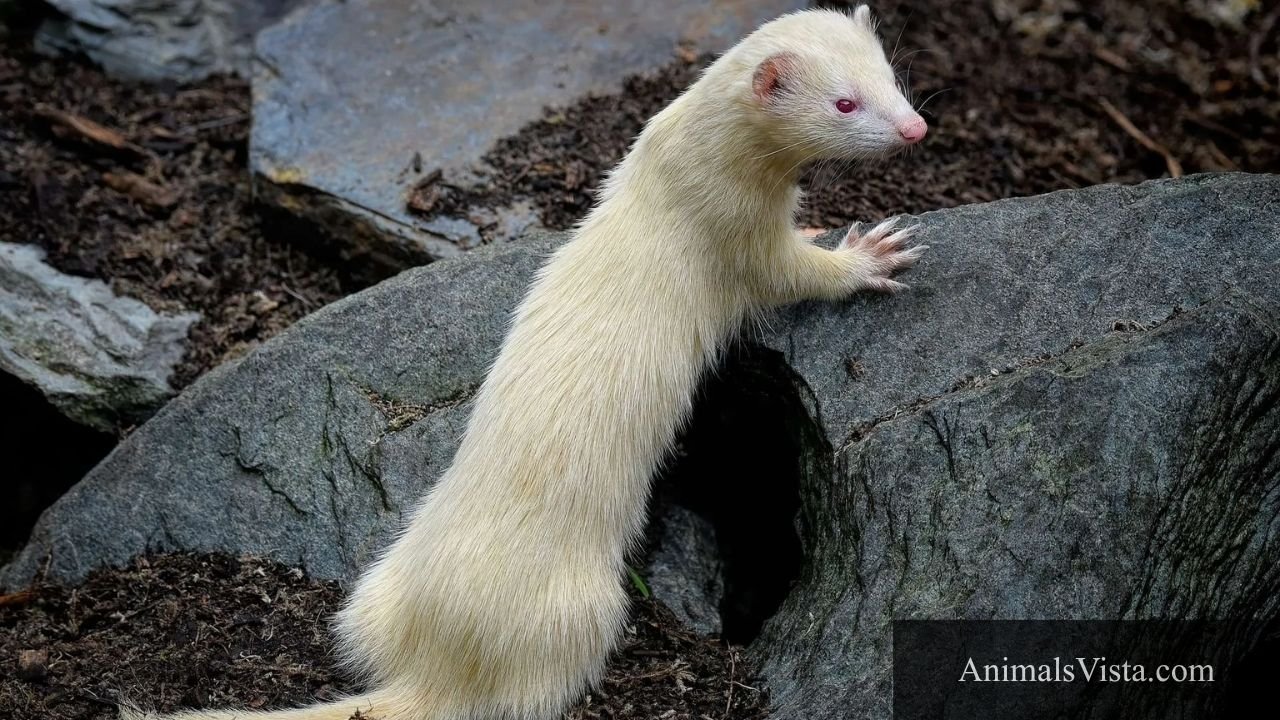
In the world of companionship, animals like ferrets offer unique personalities and playful antics that can brighten any home. This article will delve into these fascinating creatures and introduce you to a variety of similar pets that could be a perfect match for your lifestyle. By the end, you’ll discover a new understanding of these delightful animals and learn which one may be your next fuzzy friend.
List of Animals Like Ferrets:
Below is the list of animals like ferrets:
- Wolverine
- Otter
- Skunks
- Meerkat
- Badgers
- Polecat
- Fisher
- Ringtail
- Civet
- Genet
- Martens
- Mongoose
- Mink
- Weasels
- Stoat
Wolverine
Scientific Name: Gulo gulo
Class: Mammalia
Diet: Carnivore
Wolverines are often overshadowed by their more famous relatives, but these tenacious creatures deserve a spotlight of their own. Renowned for their unparalleled strength-to-weight ratio, wolverines can tackle prey much larger than themselves, exhibiting a fierce determination that mirrors the spirit of ferrets. Their thick, luxurious fur not only keeps them warm in harsh, frigid environments but also adds to their reputation as formidable animals in the Arctic and subarctic regions.
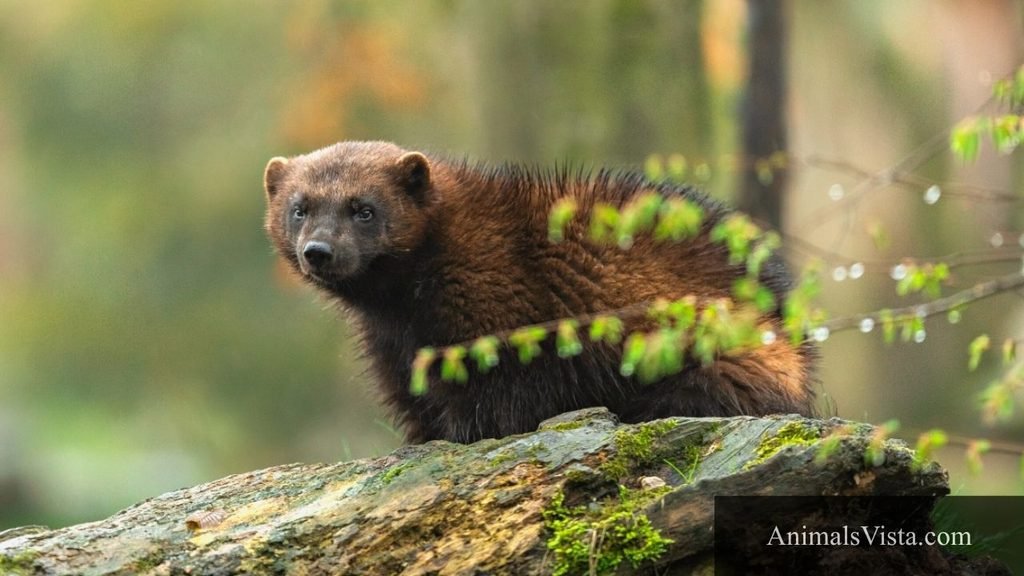
What makes wolverines particularly captivating is their solitary nature and high intelligence. Unlike ferrets, which are known for their playful social inclinations, wolverines prefer solitude, relying on their sharp instincts to navigate their challenging habitats. This independence fosters a unique set of survival skills; wolverines are adept scavengers, often caching excess food during times of plenty to sustain them during leaner seasons. Their ability to travel vast distances in search of food showcases a resilience and adaptability that further endears them to wildlife enthusiasts. In a world where many species are struggling, the wolverine stands out as a symbol of survival against the odds, embodying a fierce spirit that resonates with the tenacity seen in smaller animals like ferrets.
Otter
Scientific Name: Lutrinae
Class: Mammalia
Diet: Carnivore
Otters, often referred to as the playful acrobats of the aquatic world, share several intriguing traits with ferrets. Both species possess a natural curiosity that drives them to explore their surroundings, whether it’s an intricate burrow or the glistening surface of a river. Their bodies are designed for agility; ferrets with their elongated forms and otters with streamlined bodies, allowing them to navigate tight spaces or swift waters effortlessly.
Socially, otters exhibit a dynamic, close-knit structure reminiscent of ferret family groups. They thrive on companionship, often found frolicking in groups, much like ferrets who enjoy engaging in play with their human companions or fellow cage mates. This sociability extends to their playful antics — otters are known for sliding down mudbanks and tossing stones, sparking a sense of joy that mirrors the energetic antics of ferrets wrestling and darting through narrow passages. Observing either animal reveals a shared joy in play, emphasizing not only their intelligence but also their deep need for interaction and stimulation. For those considering a pet or simply wishing to appreciate these remarkable animals in the wild, understanding their shared traits opens a fuller view of their enchanting worlds.
Skunks
Scientific Name: Mephitidae
Class: Mammalia
Diet: Omnivore
Skunks, often misunderstood due to their notorious odor, share intriguing similarities with ferrets that make them captivating companions. Both species possess a playful nature and high intelligence, which allows them to engage with their surroundings in fascinating ways. Just like ferrets, skunks can exhibit affectionate behavior towards their owners, often forming strong bonds that resemble those of traditional pets. Their curious disposition means they love to explore, making playtime an essential part of their day.
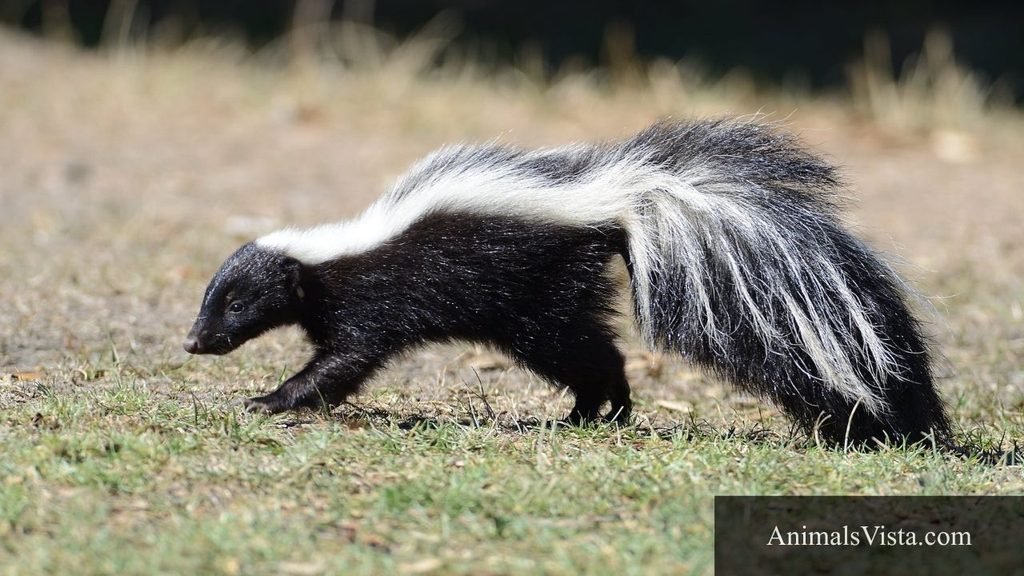
Skunks are surprisingly clean animals; they regularly groom themselves, much like ferrets do. Many might not realize that skunks can be trained to use litter boxes, showcasing their adaptability and intelligence. In terms of diet, they thrive on a varied menu, including fruits, vegetables, and proteins, echoing the diverse nutritional requirements of their ferret counterparts. While their infamous scent can be a deterrent, understanding their unique behaviors can reveal an extraordinary, often charming, side to these misunderstood creatures.
Read More: Explore Top 17 Animals Like Raccoons
Meerkat
Scientific Name: Suricata suricatta
Class: Mammalia
Diet: Carnivore
Meerkats, with their charming posture and sociable nature, share an intriguing kinship with ferrets. Both species belong to the family Mustelidae, albeit Meerkats are categorized under the Suricata genus. These industrious little creatures inhabit the arid landscapes of southern Africa, where they thrive in intricate underground burrows. Their social structure, reminiscent of ferret packs, revolves around tight-knit family groups known as mobs, relying on cooperation for survival and nurturing the young.
What sets meerkats apart is their remarkable sentinel behavior. One member of the mob stands guard while others forage for food, a practice that highlights their communal spirit. This behavior not only reinforces their bond but also enables them to detect predators early, ensuring the safety of the entire group. In contrast, ferrets often exhibit more independent behavior, using their inherent curiosity to explore their surroundings. However, both animals display a playful demeanor, which makes them endearing to those who observe their antics. Engaging with meerkats offers a unique glimpse into a complex social structure that resonates with the curious nature we admire in ferrets.
Badgers
Scientific Name: Melinae
Class: Mammalia
Diet: Omnivore
Badgers, often viewed as solitary foragers, share intriguing behavioral traits with ferrets that shed light on their adaptability and social structures. Like ferrets, badgers possess a playful curiosity, frequently engaging in digging and tunneling — activities that serve both as foraging methods and avenues for social interaction. Their ability to manipulate their environment not only showcases their intelligence but also underscores a robust instinct for survival.
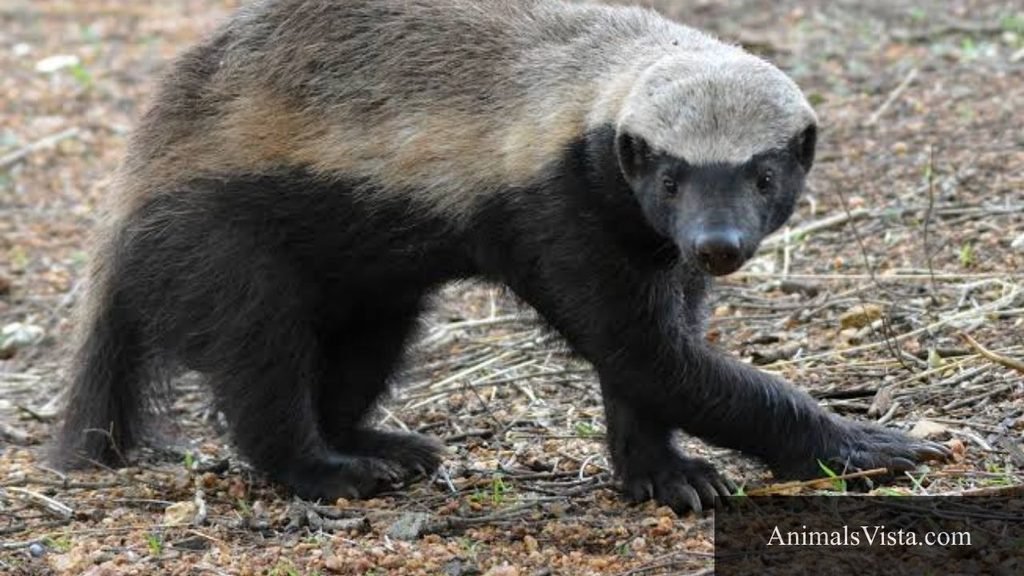
Social interactions among badgers can be surprisingly complex. They often live in clans, offering a communal structure reminiscent of ferret groups, where members groom each other and engage in social play. This dynamic highlights an unexpected empathy within their species, as they work collectively to defend territory and raise young. Observing badgers in their natural habitats reveals a rich tapestry of communication, from subtle body movements to vocalizations, reflecting a nuanced social life similar to the intimate bonds formed among ferrets.
Polecat
Scientific Name: Mustela putorius
Class: Mammalia
Diet: Carnivore
Polecats are fascinating creatures that share a lineage with ferrets. These small mammals are primarily found in Europe and parts of Asia, showcasing a more wild-side appeal compared to their domesticated counterparts. Unlike ferrets, which have adapted to live alongside humans, polecats retain much of their natural instincts, making them fascinating subjects for wildlife enthusiasts.
In the wild, polecats are known for their elusive nature and agility, often utilizing their keen senses to hunt small rodents and other prey. Their sleek, dark coat serves as excellent camouflage in the dense underbrush, a trait that allows them to thrive in various habitats. Observing a polecat in its natural environment can be a mesmerizing experience, as they display cunning strategies for evading predators and securing food. This wild spirit brings a certain allure, reminding us of the untamed wilderness that still thrives alongside urban settings.
Fisher
Scientific Name: Pekania pennanti
Class: Mammalia
Diet: Carnivore
The fisher is a fascinating creature that shares several traits with ferrets. Both animals have elongated bodies, allowing them to navigate through tight spaces with incredible agility. However, the fisher is distinctly adapted for a different lifestyle — primarily as a proficient tree climber, which sets it apart from the ground-dwelling ferret. These agile mammals are equally adept at hunting, preying not only on small mammals but also on the notorious porcupine, enhancing their reputation as skilled predators.
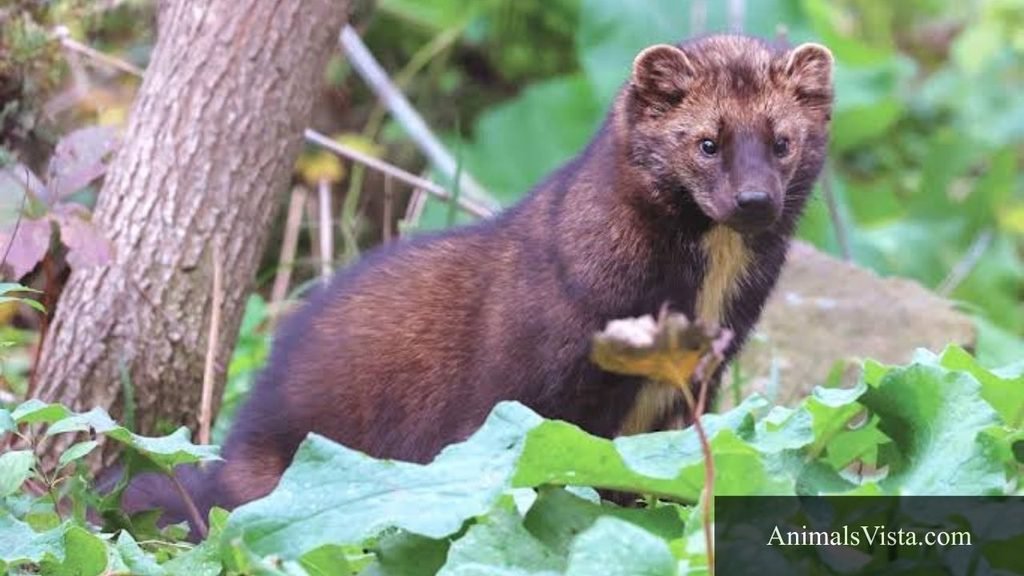
Fishers and ferrets share a playful and curious nature, making them remarkably social animals in the wild. Fishers exhibit complex behaviors that reveal the importance of family dynamics and territory. This social structure resonates with ferrets, who thrive on interaction and bond closely with their human companions or fellow ferrets. Interestingly, while ferrets have been domesticated for millennia, fishers maintain their wild essence, making them intriguing subjects for study on natural behavior and adaptability. Their distinct characteristics and adaptability to various environments present a captivating contrast, bridging the gap between domesticated joy and untamed wildness.
Ringtail
Scientific Name: Bassariscus astutus
Class: Mammalia
Diet: Omnivore
Ringtails, often overshadowed by their more popular relatives, offer a fascinating glimpse into the world of wildlife that deserves attention. These nocturnal creatures, native to the deserts and woodlands of North America, showcase a remarkable adaptability. With their striking black-and-white striped tails, they can effortlessly blend into their arid habitats, highlighting nature’s artistry in camouflage. Unlike ferrets, ringtails possess an agile climbing ability, frequently seen scaling trees and rock formations to evade predators or forage for food.
One of the most intriguing aspects of ringtails is their social structure. While ferrets tend to thrive in a communal environment, often forming tight bonds within their ferret family, ringtails exhibit more solitary behaviors. Their lifestyle necessitates a resourceful approach to survival, foraging for insects, fruits, and small mammals at night. This nocturnal lifestyle has influenced their keen senses, particularly their exceptional hearing and night vision, enabling them to navigate the desert landscape with dexterity.
Civet
Scientific Name: Viverridae
Class: Mammalia
Diet: Omnivore
Civets, known for their small size and agile movements, belong to a unique family that offers fascinating insights into the world of mammals. These nocturnal creatures, native to tropical Asia and Africa, possess a distinct blend of characteristics reminiscent of both felines and mustelids, like ferrets. Their striking coat patterns and elongated bodies make them both intriguing and visually captivating, but it’s their behavior that sets them apart. Unlike ferrets, which are playful and social, civets tend to be more solitary, often marking their territories with aromatic secretions that add a layer of mystery to their nocturnal activities.
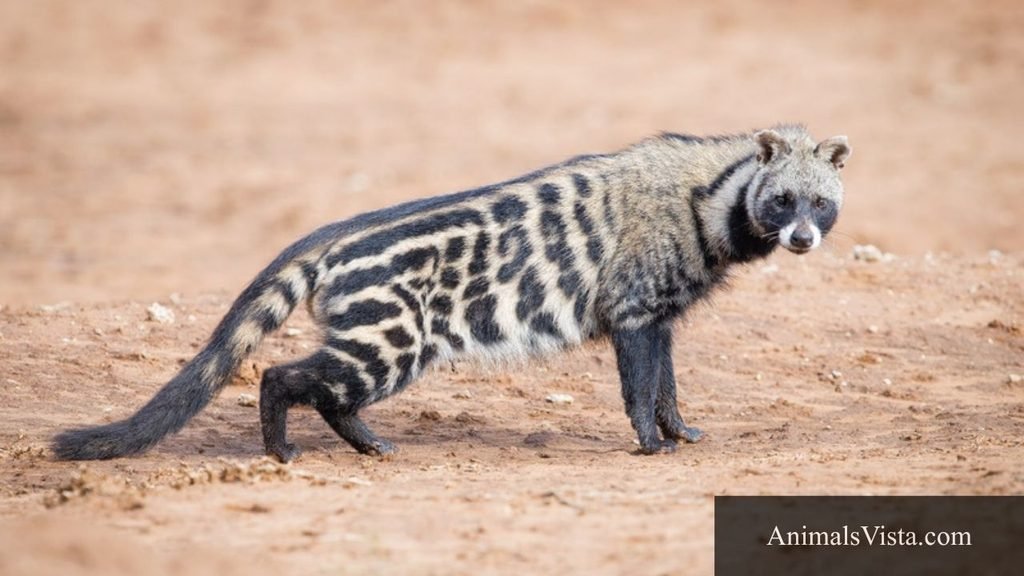
What sets civets apart is their remarkable adaptability to various environments, from dense forests to urban areas. These nocturnal animals have a keen sense of smell, which aids them in foraging for fruits, insects, and small prey. Socially, civets exhibit a mix of solitary and social behavior, sometimes gathering in small groups, which mirrors the sociability found in ferrets. However, unlike ferrets, civets have a profound impact on their ecosystem as seed dispersers, playing a crucial role in forest regeneration. Their unique biological niche adds an enriching layer to our understanding of wildlife interactions.
Genet
Scientific Name: Genetta
Class: Mammalia
Diet: Carnivore
Genets, often overshadowed by their more popular relatives like ferrets, are fascinating creatures that deserve the limelight. Sporting sleek bodies and elongated tails, these small, carnivorous mammals resemble a blend of a cat and a weasel. Their striking spotted coats not only make them visually captivating but also serve as excellent camouflage in their natural habitats of forests and savannas, primarily across Africa and parts of Europe. Unlike ferrets, which have been extensively domesticated, genets retain a wild elegance, making them an intriguing subject for both zoologists and animal enthusiasts alike.
One of the most captivating aspects of genets is their climbing prowess. Equipped with retractable claws and an agile body, they are adept at scaling trees and navigating complex vertical environments — a skill that sets them apart from ferrets, who are primarily terrestrial hunters. Genets also exhibit unique behaviors, such as their nocturnal lifestyle and remarkable ability to leap significant distances, which adds an alluring mystery to their character. While ferrets may be bold and playful companions, genets embody a wild spirit, reminding us of the untamed beauty that still thrives in the animal kingdom.
Martens
Scientific Name: Martes
Class: Mammalia
Diet: Omnivore
Martens, closely related to ferrets, embody a unique blend of agility and curiosity that makes them fascinating creatures. These small mammals, part of the Mustelidae family, showcase distinctive characteristics such as a long, sleek body and a bushy tail, enabling them to navigate forest habitats with remarkable finesse. Unlike ferrets, which have been domesticated for companionship and hunting, martens remain wild and carry an air of elusive sophistication. Their vibrant chestnut fur and strikingly expressive faces add to their charm, making them a delight to observe in their natural environments.
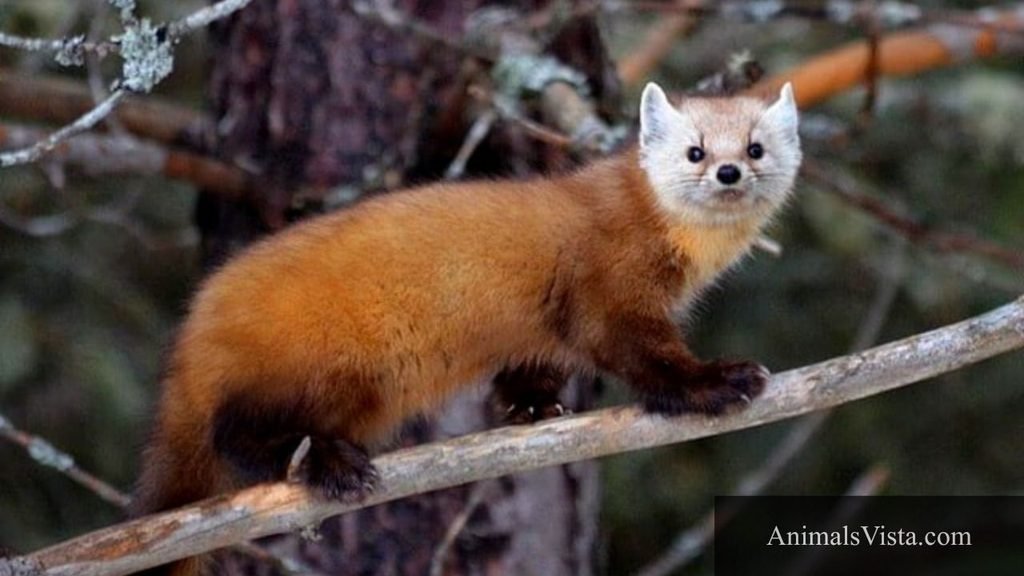
Ecologically, martens play a crucial role as predators, helping to regulate populations of small mammals and insects. Their diet is quite diverse, often including small birds, rodents, and even fruits, showcasing their adaptability to varying ecosystems. This omnivorous nature not only helps balance their habitats but also underscores their resilience in the wild. Engaging with these creatures can deepen our appreciation for biodiversity and the intricate interconnections between species, reminding us of the delicate dance that sustains life in the forests they inhabit.
Mongoose
Scientific Name: Herpestidae
Class: Mammalia
Diet: Carnivore
Mongoose, often celebrated for their remarkable agility and fierce protectiveness, share intriguing similarities with ferrets that invite deeper exploration. Both belong to the family Mustelidae, yet mongooses carve their own niche in the animal kingdom with over 30 species exhibiting unique adaptations. With their slender bodies and short legs, they maneuver adeptly through dense underbrush and rocky terrains, much like ferrets navigate their playful, curious environments. This physicality allows mongooses to hunt and react swiftly, making them skilled foragers and opportunistic eaters, traits that resonate with the inquisitive nature of ferrets.
Social structures among mongooses also echo those of ferrets, especially in species like the meerkat. Living in tight-knit groups, these animals exhibit cooperative behavior, working together to find food and protect against predators. This camaraderie enhances survival, showcasing a communal aspect often overlooked when we think of these agile creatures. Furthermore, the mongoose’s instinct to confront snakes, including venomous varieties, highlights their fearlessness, drawing parallels to the playful yet tenacious nature of ferrets. Their boldness not only demonstrates their adaptability but invites us to appreciate the beauty of instinctive behaviors shared among these fascinating species.
Mink
Scientific Name: Neogale vison
Class: Mammalia
Diet: Carnivore
Minks share an intriguing kinship with ferrets, both belonging to the Mustelidae family. While ferrets have become beloved household companions, minks traverse a different lifestyle, thriving in the wild and showcasing their strengths as agile hunters. With sleek, glossy fur that varies in color from rich brown to black, minks embody both beauty and functionality. This remarkable pelage not only helps them blend seamlessly into their aquatic habitats but also plays a crucial role in their survival, protecting them from harsh weather conditions.
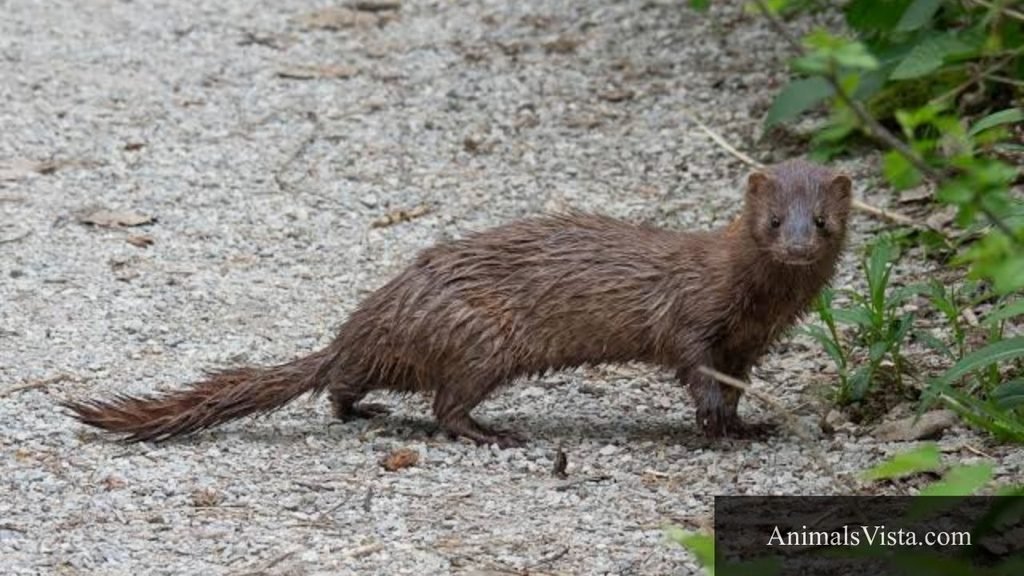
What sets minks apart is their remarkable adaptability. These creatures are equally at home in water and on land, skillfully hunting fish, small mammals, and birds. Observing a mink in action reveals an enchanting agility; they can dive and swim with incredible speed, which is almost mesmerizing. Unlike ferrets, whose playful antics often endear them to human families, minks maintain a more solitary lifestyle, venturing out at dusk to seek their next meal. This independent nature renders them fascinating subjects of study, particularly in understanding the balance of predator and prey in their ecosystems.
Weasels
Scientific Name: Mustela
Class: Mammalia
Diet: Carnivore
Weasels, the cunning little carnivores, share more than just a resemblance with ferrets; they embody the same spirit of agility and curiosity that captivates animal lovers. With their elongated bodies and quick reflexes, weasels have adapted remarkably to various environments, from dense forests to open grasslands. Their impressive hunting skills allow them to pursue prey much larger than themselves, showcasing a blend of boldness and intelligence that intrigues many who study animal behavior.
What’s particularly fascinating about weasels is their ability to change coats with the seasons. In winter, many species don a striking white fur to blend seamlessly with snowy landscapes, while in summer, they sport rich brown shades. This remarkable adaptation not only helps them evade predators but also makes them skilled hunters. The weasel’s diet and hunting methods offer a glimpse into the balance of ecosystems, showcasing their role as both predator and prey. Observing weasels in their natural habitat can reveal a world of dynamic interactions, demonstrating the intricate web of life that thrives just beneath our feet.
Stoat
Scientific Name: Mustela erminea
Class: Mammalia
Diet: Carnivore
The stoat, often mistaken for its domestic cousin the ferret, is a small yet remarkable predator that embodies agility and cunning. Found primarily in Europe and parts of Asia and North America, the stoat boasts a sleek body and a distinctive seasonal transformation; in winter, its fur turns white, enabling it to blend seamlessly into snowy landscapes. This clever adaptation not only aids in avoiding predators but also enhances its hunting efficiency as it stalks small mammals like rabbits and voles.
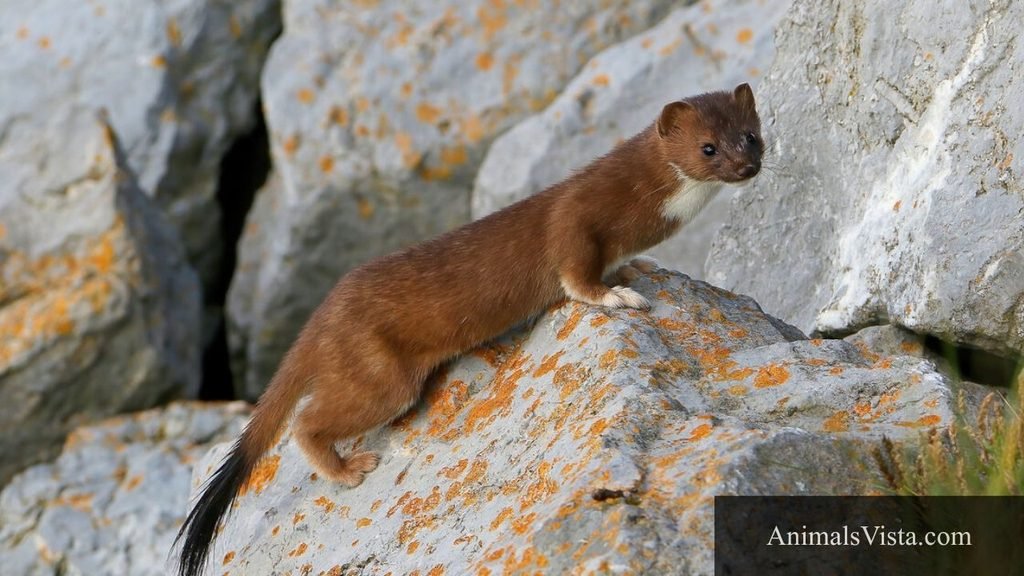
Beyond its appearance, the stoat’s behavior is equally fascinating. Known for its playful antics, these creatures often engage in acrobatic displays, leaping and tumbling through their habitat, which can be surprisingly entertaining to observe. Moreover, stoats are relentless hunters; their ability to tackle prey larger than themselves is a testament to their tenacity. This blend of charm and ferocity makes the stoat a captivating subject for wildlife enthusiasts and researchers alike, showcasing nature’s balance between beauty and survival instincts.
Read More: Explore Top 13 Animals That Sleep The Most
Final Thoughts
Ferrets stand out as enchanting companions, yet they are part of a broader family of animals that exhibit similar characteristics. The playful antics of polecats, the sociable nature of minks, and the affection displayed by guinea pigs all resonate with the spirited behavior seen in ferrets. Each of these animals offers its own unique qualities while maintaining an engaging demeanor that pet owners cherish. Exploring these alternatives can enhance your understanding of the diverse species available and might even guide your next pet decision. Dive deeper into the world of these fascinating animals, and see how they can enrich your life!
FAQs
What pets are similar to ferrets?
Pets similar to ferrets include polecats or weasels, as they belong to the same family. These small, playful creatures share some behavioral traits with ferrets and enjoy socializing. However, they can be more difficult to care for and may require more specialized environments. Another option is the domestic rat. Rats are clever, social, and quite interactive, often forming strong bonds with their owners.
What animal is a ferret closest to?
Ferrets are most closely related to weasels, specifically the European polecat. They share the same family, Mustelidae, which includes other species like otters and badgers. This makes ferrets part of a broader group of carnivorous mammals known for their elongated bodies and playful behavior.