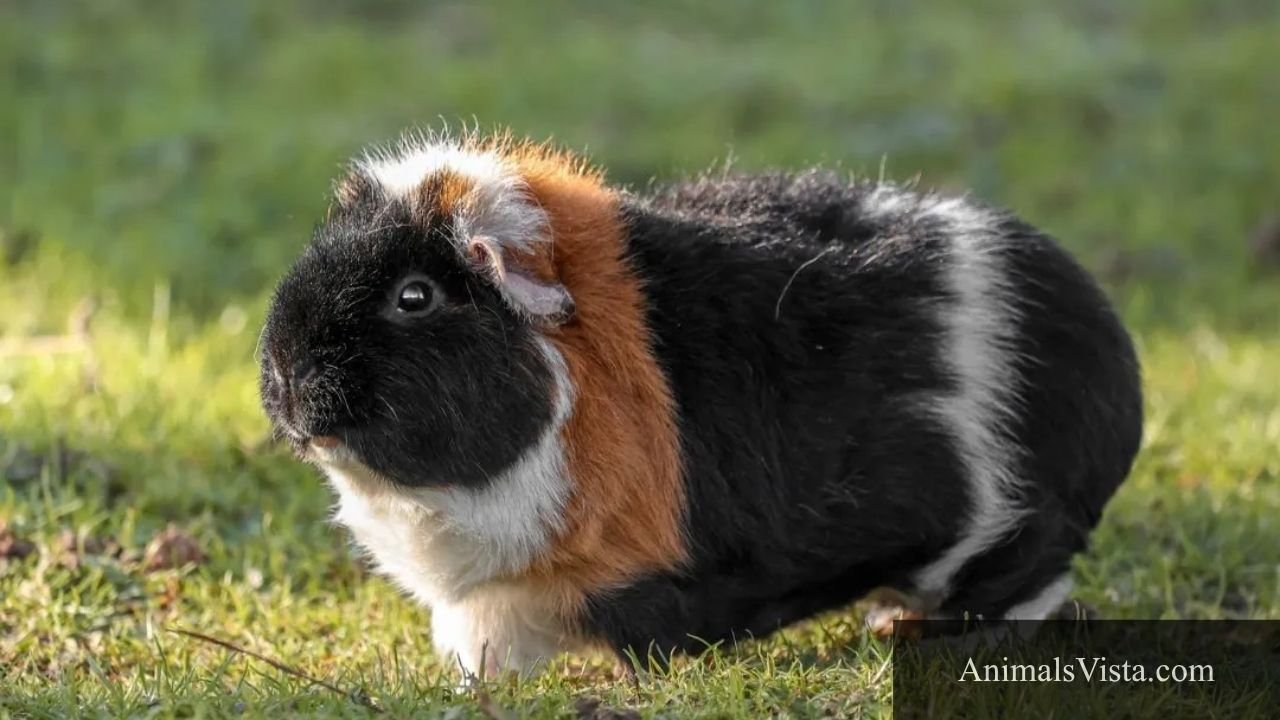
Top 13 Animals Like Hamsters (Pictures Included)
For pet lovers and animal enthusiasts alike, understanding animals that share similar traits with hamsters can deepen our appreciation for these beloved pets. In this article, we’ll explore various animals like hamsters, including their unique characteristics and care requirements. Whether you’re considering a new pet or simply curious about the animal kingdom, you’ll discover fascinating insights that can guide your decisions.
List of Animals Like Hamsters:
Below is the list of animals like hamsters:
- Chipmunk
- Rat
- Degu
- Mouse
- Gerbil
- Vole
- Dormouse
- Guinea Pig
- Squirrel
- Capybara
- Chinchilla
- Prairie Dog
- Beaver
Chipmunk
Scientific Name: Tamias
Class: Mammalia
Diet: Omnivore
Chipmunks are often overshadowed by their more famous rodent relatives, yet they possess a charm that sets them apart. With their distinctive stripes and cheeky demeanor, these little critters exhibit an endearing combination of curiosity and playfulness. Unlike hamsters, which are primarily solitary, chipmunks are social creatures that thrive in family groups, often engaging in playful chases and vocal exchanges that showcase their vibrant personalities.
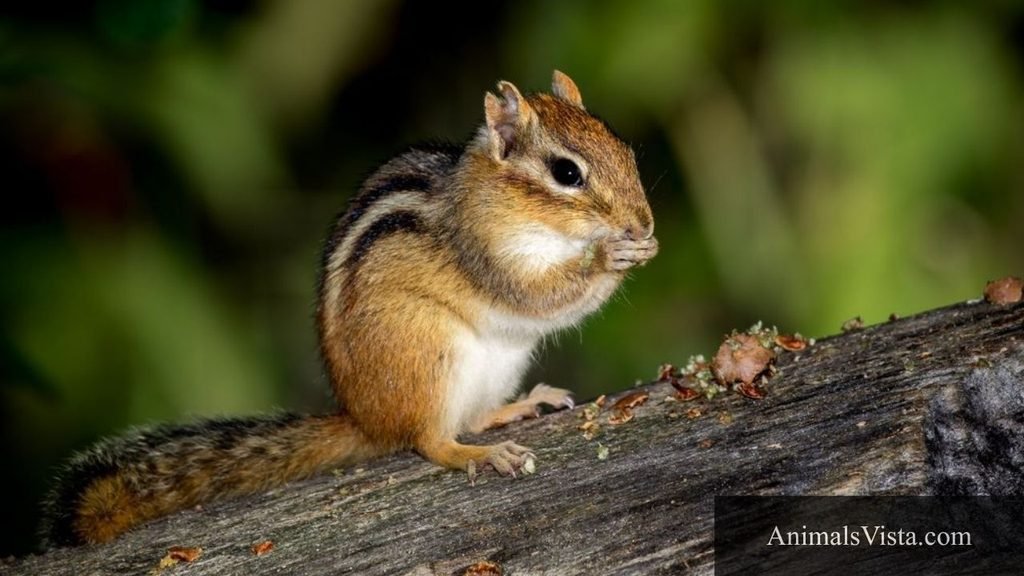
One fascinating aspect of chipmunks is their exceptional foraging ability. They are known to gather and store food to sustain themselves through the winter months. Watching them stuff their cheeks to the brim with nuts and seeds is not only entertaining but also a testament to their resourcefulness and adaptability. This remarkable behavior highlights an intricate balance between caution and play: they must remain vigilant for predators while simultaneously enjoying the bounty of their environment.
Rat
Scientific Name: Rattus
Class: Mammalia
Diet: Omnivore
Rats often get an undeserved bad rap, yet they share many charming traits with popular pets like hamsters. Both species are incredibly social, thriving in environments where they can interact not only with their human caregivers but also with their fellow rodents. Unlike the solitary nature of some pets, rats enjoy companionship and form strong social bonds, making them delightfully interactive companions. This social nature can lead to endearing behaviors, such as grooming each other or nuzzling for attention, reminiscent of the adorable antics of hamsters.
Another fascinating aspect of rats is their intelligence. They possess remarkable problem-solving skills and can even be trained to perform tricks, showcasing their cognitive abilities. This intelligence can transform playtime into an engaging experience, as they enjoy puzzles and mazes just as much as hamsters love their exercise wheels. Moreover, their adaptable personalities allow them to thrive in various environments, whether it’s a spacious cage or a small apartment, making them suitable for various lifestyles. By understanding the unique characteristics of rats, pet owners can appreciate the joys of having these underrated companions in their homes.
Degu
Scientific Name: Octodon degus
Class: Mammalia
Diet: Herbivore
Degus are captivating creatures that offer a unique blend of charm and intelligence. Originally from the grasslands of Chile, these social animals thrive in groups, making them a delight to observe as they interact with one another. Their vocalizations range from cheerful chirps to grating barks, creating a lively atmosphere that draws in anyone nearby. This social nature contrasts with the more solitary tendencies of hamsters, highlighting degus as an engaging pet for those who enjoy a dynamic environment.
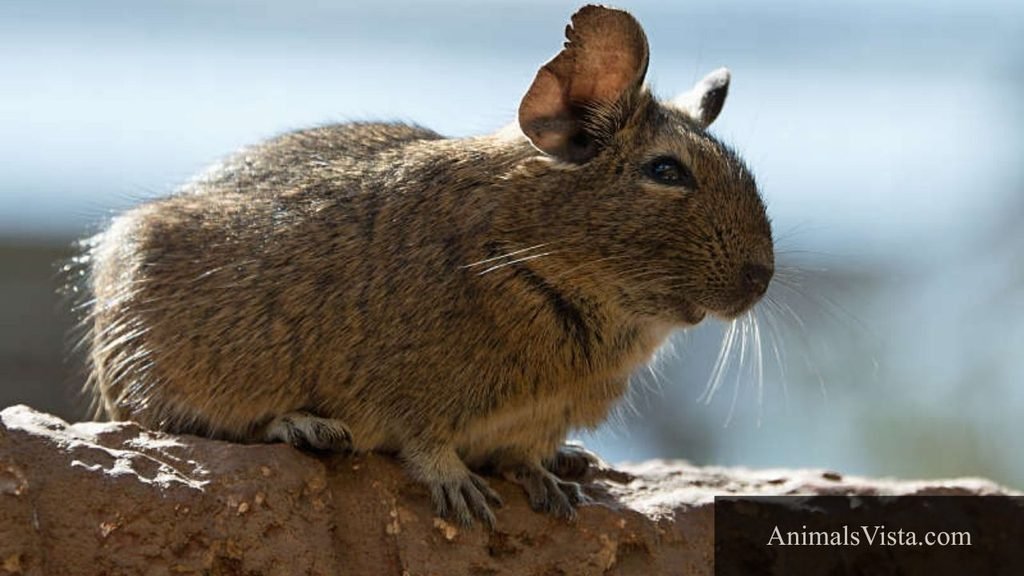
Beyond their playful antics, degus possess remarkable cognitive abilities, often solving puzzles and engaging in complex behaviors, much like dogs. They require enrichment and stimulation, making them a rewarding challenge for dedicated owners. Their diet is another key factor in their care; degus cannot process sugar like many other small pets, emphasizing the importance of proper nutrition in their health. By choosing a degu, pet owners embark on a journey filled with discovery and connection, fostering an enriching companionship that transcends the typical pet experience.
Read More: Explore Top 13 Animals That Sleep The Most
Mouse
Scientific Name: Mus
Class: Mammalia
Diet: Omnivore
Mice, much like hamsters, offer an extraordinary glimpse into the intricate world of small mammals. Their social nature and adaptability make them captivating companions, but it’s their intelligence that truly stands out. Unlike the more solitary hamster, mice thrive in social environments, often communicating through a series of squeaks and body language that reveal their emotional state. Observing these interactions can be a fascinating experience, especially when they engage in play or form bonds with their caretakers.
What sets mice apart is their ability to form complex social structures and hierarchies, which can be enthralling to witness in a multi-mouse habitat. They’ve been known to exhibit problem-solving skills, showcasing their curiosity and resourcefulness. Providing mental stimulation through toys or tunnels not only keeps them entertained but also allows them to exercise their cognitive abilities — turning them from mere pets into engaging little creatures full of personality. Their unique behaviors — from grooming rituals to creating elaborate nesting sites — can provide endless joy and education for animal lovers, further highlighting the rich tapestry of life that exists even in the smallest of beings.
Gerbil
Scientific Name: Gerbillinae
Class: Mammalia
Diet: Omnivore
Gerbils, often overshadowed by their more popular cousins like hamsters, offer a fascinating glimpse into the world of small pets. Originating from the deserts of Mongolia, these social creatures thrive in pairs, showcasing a remarkable bond that can be both entertaining and heartwarming to observe. Their curious nature drives them to burrow and explore, making them not only playful companions but also incredibly adept at tapping into their instincts, which can lead to engaging interactions with their owners.
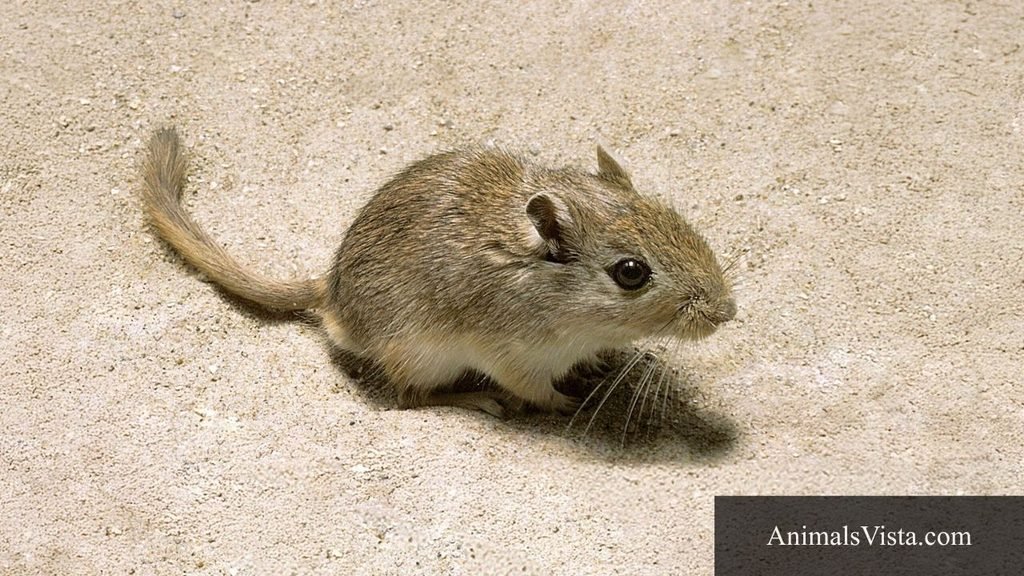
Unlike hamsters, gerbils have a unique metabolic setup that allows them to conserve water, making them an excellent choice for those seeking a lower-maintenance pet. Their vibrant personalities and playful antics can lighten any room, as they engage in friendly sparring or the delightful act of “standing up” to survey their surroundings. Observing them can provide a soothing, almost meditative experience, transforming the simple act of watching a pet into a journey of connection and understanding within the animal kingdom.
Vole
Scientific Name: Microtus
Class: Mammalia
Diet: Herbivore
Voles and Hamsters may share a rodent lineage, but their lifestyles and habitats broaden our understanding of the animal kingdom. Unlike the domesticated hamster, often found tucked away in cozy cages, voles thrive in the wild, offering a glimpse into nature’s grassroots activities. These small yet dynamic creatures are often overshadowed by their more popular relatives, yet they play crucial roles in their ecosystems.
Voles are notorious for their burrowing skills, creating extensive underground networks that not only shelter them from predators but also aerate the soil and facilitate nutrient cycling. Their diet primarily consists of grasses, roots, and even bark, making them critical players in their habitats, particularly in meadows and wetlands. Observing voles in their natural environments reveals a fascinating social structure; they are more communal than hamsters, often living in family groups that ensure survival against the odds of predation and environmental challenges.
Dormouse
Scientific Name: Gliridae
Class: Mammalia
Diet: Omnivore
Dormice, often overshadowed by their more popular relatives like hamsters and guinea pigs, offer a fascinating glimpse into the world of small mammals. These nocturnal creatures, particularly the common dormouse, display unique behaviors that set them apart. Unlike hamsters, which are known for their bustling activity, dormice prefer a gentler lifestyle characterized by long periods of sleep and foraging during twilight hours. Their ability to enter a state of hibernation during colder months underscores their adaptability and makes them intriguing subjects for study in circadian rhythms and seasonal behaviors.
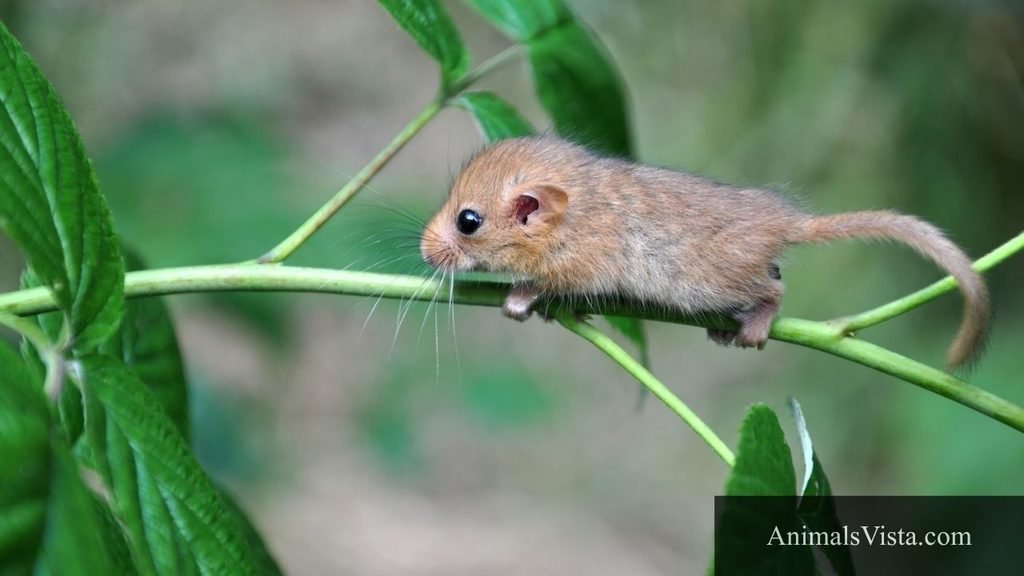
Beyond their sleep patterns, dormice also engage in fascinating social interactions. They often share sleeping areas, cuddling together in communal nests, which speaks to their social structure and need for warmth. These animals possess specialized adaptations for their arboreal lifestyle, including a prehensile tail and strong limbs for climbing. This not only showcases their evolutionary niche but also exemplifies the diverse ways small mammals adapt to their environments. Observing dormice can deepen our appreciation for the subtle complexities of rodent life.
Guinea Pig
Scientific Name: Cavia porcellus
Class: Mammalia
Diet: Herbivore
Guinea pigs, with their gentle disposition and charming personalities, make delightful companions that rival the affection of hamsters. These social creatures thrive in pairs or small groups; their natural herd mentality fosters robust social interactions. Observing them interact can be a joy, as they communicate through a range of squeaks and purrs, each sound indicating different emotions. This vocalization adds depth to their personality, making them interactive pets that respond to their owners with curiosity and warmth.
In contrast to hamsters, guinea pigs require more space due to their larger size and energetic nature. Creating a spacious, stimulating habitat for them not only encourages physical health but also promotes mental engagement. Adding tunnels, toys, and hiding spots enriches their environment, enabling them to express their natural instincts. Furthermore, with a diet rich in hay, fresh vegetables, and occasional treats, guinea pigs offer an avenue for owners to explore the fascinating world of pet nutrition, emphasizing health and wellness. Engaging with these affectionate little beings can deepen one’s appreciation for their uniqueness and the joy they bring to home life.
Squirrel
Scientific Name: Sciuridae
Class: Mammalia
Diet: Omnivore
Squirrels, much like hamsters, embody the charm of small, agile creatures that capture the hearts of many. Their nimble bodies and playful antics create a delightful spectacle, whether they’re darting up trees or foraging for food. While hamsters often engage in their cute wheel-running routines, squirrels exhibit their agility by leaping gracefully between branches, showcasing incredible acrobatics. Watching a squirrel navigate its environment is a reminder of the intricate balance of nature, where survival and playfulness intertwine.
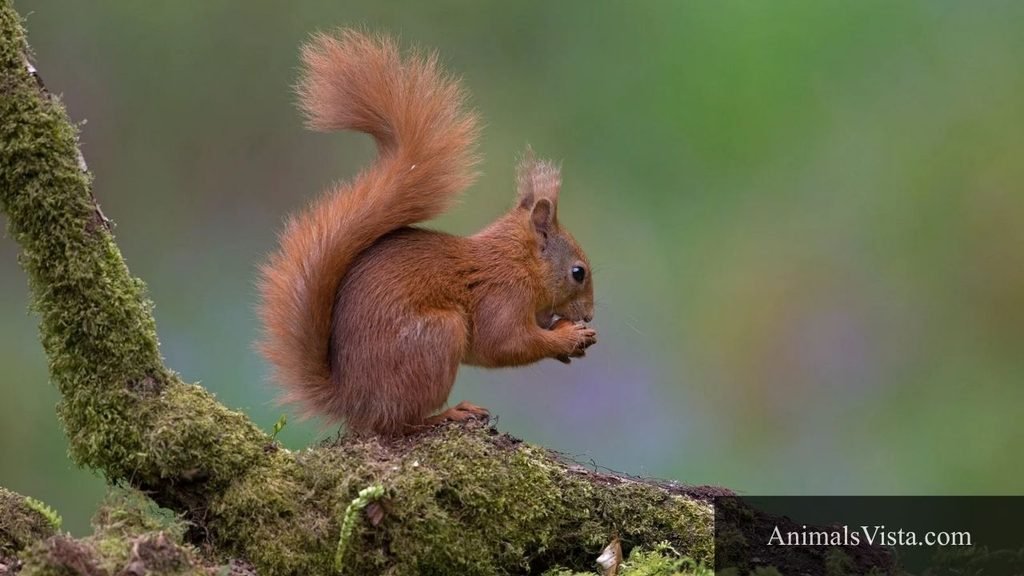
Both hamsters and squirrels are known for their remarkable ability to store food. Hamsters hoard seeds in their cheek pouches, while squirrels cache acorns and nuts in the ground, marking them with their keen memories. This behavior not only highlights their resourcefulness but also their instinctive preparation for harsh seasons ahead. Moreover, the social dynamics of squirrels present a fascinating contrast to the typically solitary lives of hamsters. Often found frolicking with their peers, squirrels display a complex communication system filled with chirps and tail signals, reminding us of the rich tapestry of life among small mammals. Observing them encourages a sense of wonder about how even the smallest creatures contribute to the ecological web around us.
Capybara
Scientific Name: Hydrochoerus hydrochaeris
Class: Mammalia
Diet: Herbivore
Capybaras, often touted as the world’s largest rodent, are more than just oversized hamsters; they are social, gentle giants with unique charms. These fascinating creatures thrive in groups, exhibiting a remarkable sense of community that sets them apart from many other animals. With a natural affinity for water, capybaras can often be found lounging in ponds or rivers, their semi-aquatic lifestyle adding a playful dimension to their personality. Observing them interacting in their habitats reveals a tender dynamic, as they communicate through soft barks and purrs, showcasing a depth of social structure that mirrors that of some primates.
Capybaras possess a surprisingly serene demeanor, making them popular companions in various zoological settings. Their calm disposition allows them to coexist peacefully with different species; they often share spaces with birds and monkeys, embodying a harmonious existence. This adaptability serves as a heartwarming reminder of the power of interspecies friendships in the animal kingdom. As we delve into the lives of these remarkable rodents, we uncover not only their quirks but also the valuable lessons they offer about cooperation, respect, and the beauty of liveliness in community.
Chinchilla
Scientific Name: Chinchilla
Class: Mammalia
Diet: Herbivore
Chinchillas are often overshadowed by more common pets like hamsters, yet they bring a unique charm and personality that many find irresistible. With their luxurious, velvety fur — reportedly the softest of any land mammal — chinchillas offer a tactile experience that captivates pet owners. Their playful nature, combined with a penchant for jumping and climbing, makes them enchanting companions. Unlike hamsters, which are more solitary, chinchillas can develop deep bonds with their owners and exhibit affectionate behaviors, such as snuggling in your lap or playfully nibbling on your fingers.
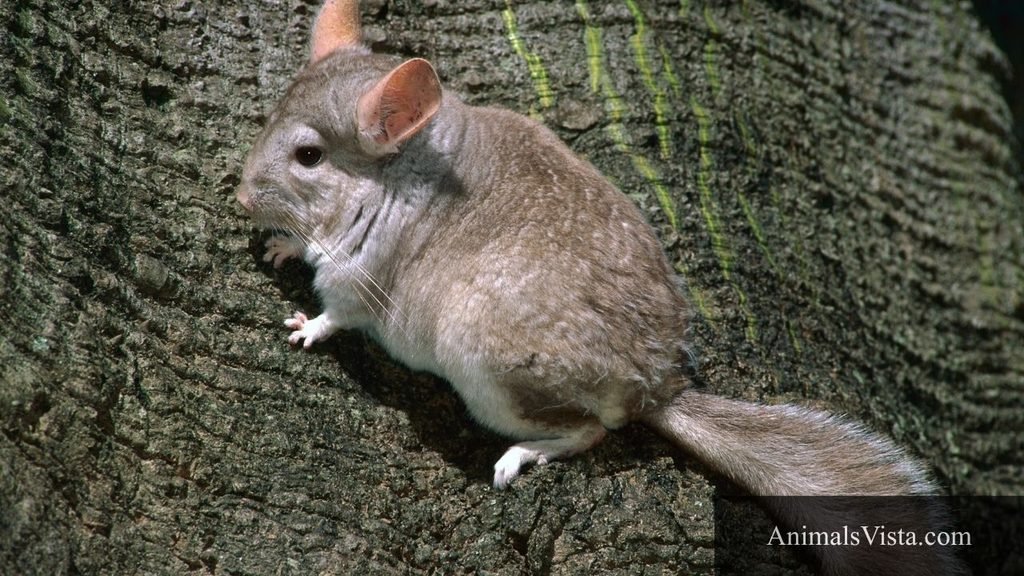
One of the most fascinating aspects of chinchillas is their care requirements, which differ significantly from those of other small pets. They thrive in cool, dry environments, as their dense fur can trap heat and lead to health issues. Their grooming habits are also particularly unique; rather than relying on water baths, chinchillas require dust baths, which help to maintain their coat’s pristine condition and even provide a form of social interaction among them. This distinct need for dust not only highlights their special adaptations but also underlines the commitment required from potential owners to provide a suitable habitat that mimics their natural environment.
Prairie Dog
Scientific Name: Cynomys
Class: Mammalia
Diet: Herbivore
Prairie dogs, often celebrated for their social behavior and intricate burrowing systems, stand as one of the most fascinating creatures akin to hamsters. Unlike the solitary nature of most hamster species, prairie dogs thrive in bustling colonies that can house hundreds of individuals, creating a vibrant community dynamic. Their social interactions are rich and complex, involving a range of vocalizations, body language, and even dedicated “sentinels” that watch for predators, showcasing an impressive level of cooperation and communication rarely seen in the animal kingdom.
The environmental impact of prairie dogs extends beyond their own colonies. Their extensive burrowing aerates the soil and aids in water retention, which benefits a variety of other organisms in the ecosystem. This behavior draws parallels with hamsters, whose digging instincts often mirror those of their larger counterparts, yet prairie dogs play a more transformative role in their habitats. By serving as prey for numerous predators and influencing plant life, prairie dogs exemplify how a small creature can have a ripple effect on the environment, reminding us of the interconnectedness of all species, no matter their size.
Beaver
Scientific Name: Castor
Class: Mammalia
Diet: Herbivore
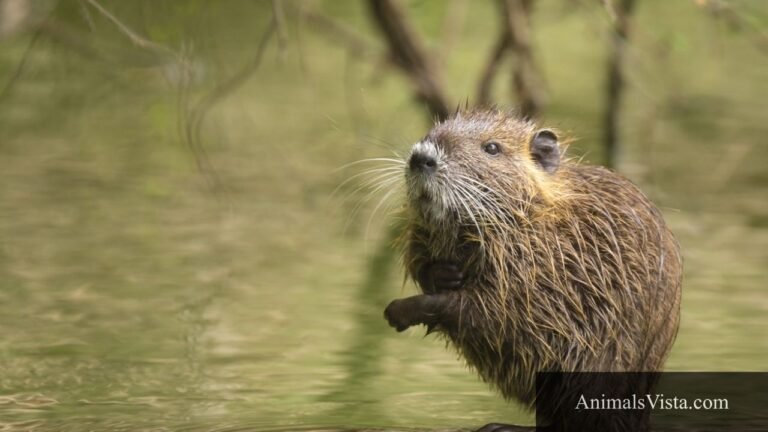
Beavers, often overshadowed by their more common rodent counterparts, like hamsters, display a remarkable blend of engineering prowess and environmental stewardship. These industrious creatures are not merely builders; they are eco-engineers, significantly shaping their habitats. By constructing dams, beavers create wetlands that improve local biodiversity, support various species, and enhance water quality. This transformation of landscapes not only benefits the beaver family but also countless other organisms, showcasing their role in sustaining ecosystems.
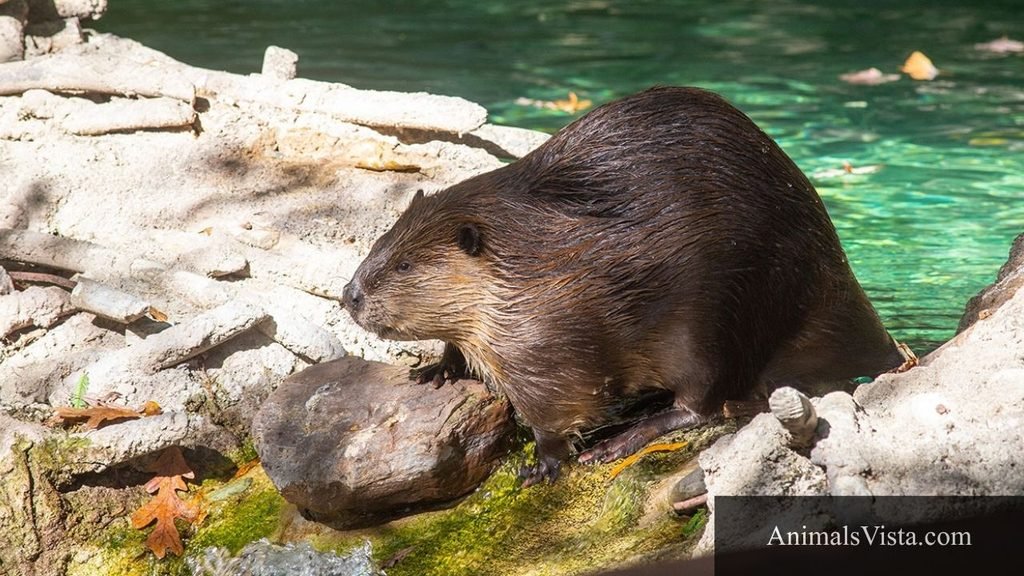
What’s particularly fascinating about beavers is their social structure. Living in family units, they exhibit cooperative behaviors that reflect a deep understanding of teamwork — much like the affectionate and social nature of hamsters in their colonies. Beavers communicate through a variety of vocalizations, tail slaps, and scent marking, forming complex social bonds that play a crucial role in their survival. This intricate social life adds another layer of intrigue, inviting us to appreciate how these seemingly simple creatures contribute to the harmony of the natural world.
Read More: Explore Top 13 Birds That Eat Fish
Final Words
While hamsters are beloved pets, there are numerous other small animals that share similar traits and characteristics. Gerbils, for instance, are active little creatures that thrive on exploration and social interaction. Similarly, mice and rats are known for their intelligence and can form strong bonds with their owners. If you’re considering a pet that offers the charm of a hamster but brings its own unique qualities, these alternatives could be perfect for you. Ultimately, it’s important to research and understand each animal’s needs to ensure a happy and healthy companionship.
FAQs
What pets are similar to hamsters?
Some pets similar to hamsters are gerbils, mice, or Syrian hamsters. Gerbils are social creatures that thrive in pairs and are known for their playful nature. They require similar care to hamsters but are often more active during the day, making them an engaging option for those who want a slightly different experience. Mice are another alternative; they’re smaller than hamsters and can also live in groups, providing a lively atmosphere in their enclosure. Like hamsters, they require a clean environment and a balanced diet.